
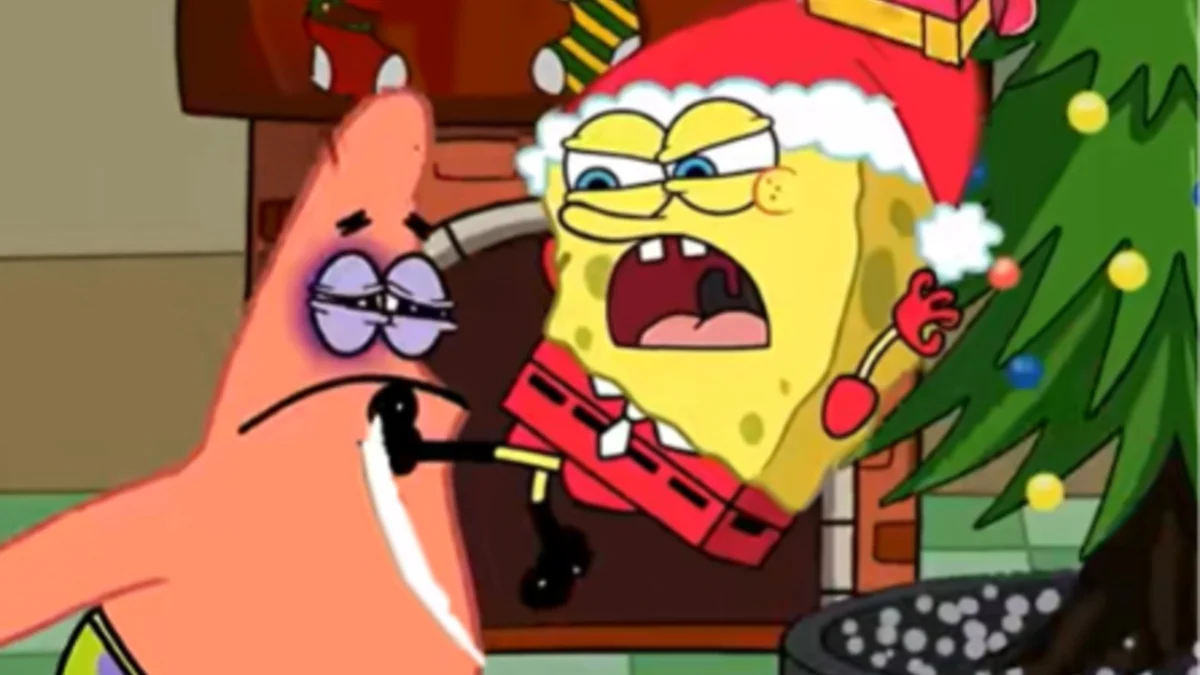
The digital landscape has witnessed a significant cultural phenomenon with the emergence and subsequent explosion of the SpongeBob Jingle Bells viral animation. This specific piece of media, which features a stylized depiction of the iconic characters SpongeBob SquarePants and Patrick Star, represents a complex intersection of physical comedy, rhythmic synchronization, and the "brainrot" aesthetic that has come to define short-form video platforms in the mid-2020s. Based on an original audio track by the prominent Japanese TikTok creator Junya1gou, the animation has transcended its initial release to become a seasonal staple of internet humor, illustrating the cyclical nature of viral content and the enduring versatility of the SpongeBob SquarePants intellectual property.
The Foundational Audio: Junya1gou and Physical Comedy
The origins of the SpongeBob Jingle Bells phenomenon can be traced back to December 19, 2021, when the TikTok creator @junya1gou uploaded a video that would eventually serve as the rhythmic backbone for the animation. In the original footage, the creator is dressed in a Santa Claus costume, performing a high-energy rendition of the holiday classic "Jingle Bells." The performance was not merely vocal; it integrated a series of physical stunts where the creator popped balloons by kicking them in sync with the beat of the song.
Junya1gou’s content style is characterized by its reliance on slapstick humor, loud auditory cues, and physical endurance, all of which are designed to bypass language barriers and appeal to a global audience. The "Jingle Bells" video was a quintessential example of this approach, garnering over 23.6 million views over the course of five years. The percussive sound of the balloons popping provided a unique "foley" effect that transformed a standard holiday song into a rhythmic template ripe for recontextualization.
The 2025 Animation: A New Layer of Narrative Violence
On November 8, 2025, the digital artist known as @twisstedfrr on TikTok took the audio from Junya1gou’s three-year-old video and applied it to a custom animation. This creative choice moved the content from the realm of live-action physical comedy into the world of surrealist digital animation. The video depicts SpongeBob SquarePants, also dressed as Santa Claus, delivering a series of rhythmic strikes and kicks to his best friend, Patrick Star.
The brilliance of the @twisstedfrr animation lay in its synchronization. Each "pop" from the original balloon-kicking audio was meticulously matched to a physical blow delivered by SpongeBob. This technique, often referred to in animation circles as "Mickey Mousing," where the music or sound effects directly mirror the action on screen, created a satisfying, albeit violent, sensory experience. The juxtaposition of the cheerful "Jingle Bells" melody with the slapstick violence between two beloved children’s characters tapped into a long-standing internet tradition of subverting innocent imagery for comedic effect.
Initially, the animation performed well, securing approximately 904,000 views within its first year. However, its true impact would not be felt until the following holiday season.
The 2026 Surge: Virality and the Brainrot Aesthetic
In early November 2026, exactly one year after the animation was first posted, the SpongeBob Jingle Bells video experienced a massive resurgence in popularity. This "second wave" of virality was driven by the TikTok algorithm’s tendency to resurface seasonal content and a growing cultural fascination with "brainrot" edits.
The term "brainrot" refers to a genre of internet content characterized by high-intensity visuals, repetitive sounds, and a sense of nonsensical or chaotic humor that borders on the surreal. The SpongeBob Jingle Bells animation fit perfectly into this category. Its repetitive rhythm and the absurdity of the situation made it an ideal candidate for further modification.
On November 4, 2026, the user @cheeseybaconfries uploaded a "slowed + reverb" version of the animation. This common internet modification alters the mood of a video, often giving it a melancholic or "liminal" feel. Despite the violent nature of the animation, the slowed-down audio garnered over 700,000 views in less than a week, demonstrating the audience’s appetite for variations of the original meme.
Chronology of the Meme’s Expansion
The week of November 4 through November 10, 2026, marked the peak of the meme’s saturation. Several key milestones illustrate how the content spread through different subcultures:
- Side-by-Side Comparisons: On November 5, TikToker @idkgng423 posted a split-screen video comparing Junya1gou’s original balloon-popping performance with @twisstedfrr’s animation. This video acted as an educational bridge for newer viewers, explaining the origin of the audio while simultaneously generating 2.3 million views.
- Reaction Culture: On November 7, the creator @marsigclips utilized the "reaction" format, displaying exaggerated outrage at the treatment of Patrick Star. This meta-commentary helped the meme reach audiences who prefer personality-driven content over pure animation.
- Cross-IP Reanimations: By November 9, the meme began to evolve into a "template." The creator @sloopahasyourip replaced the SpongeBob characters with figures from the popular indie game The Binding of Isaac. This transition from the original characters to a different intellectual property is a hallmark of a "top-tier" meme, signifying that the structure of the joke (the audio and the rhythmic movement) has become more important than the specific characters involved.
Statistical Analysis and Audience Engagement
The data surrounding the SpongeBob Jingle Bells meme reveals a high level of engagement that exceeds standard viral benchmarks. The original audio’s 23.6 million views provided a massive "seed" audience, but the 2026 resurgence was driven by a younger demographic focused on "Accuracy Reenactments" and "Animation Memes."
According to search interest data, queries for "SpongeBob Jingle Bells" and "SpongeBob beating up Patrick Santa" spiked by over 400% in the first week of November 2026. This suggests that the meme has become a seasonal "event," similar to how certain songs return to the charts every December. The high view-to-like ratio across these videos indicates that the content is being shared rapidly through direct messaging and "reposts," further cementing its status as a cornerstone of contemporary digital culture.
Broader Implications for Animation and Fair Use
The SpongeBob Jingle Bells phenomenon raises interesting questions regarding digital copyright and the evolution of fair use in the age of AI and independent animation. While the characters belong to Nickelodeon/Paramount, the animation itself is an original work of fan art, and the audio belongs to a third-party creator in Japan.
The fact that this content can exist and thrive across multiple platforms without being immediately suppressed by corporate entities speaks to a shifting strategy in media management. Companies are increasingly recognizing that viral memes—even those that depict their characters in unconventional or violent ways—serve as a form of "free marketing" that keeps their properties relevant to younger generations.
Furthermore, the "reanimation" trend seen in The Binding of Isaac version highlights a growing community of amateur animators who use these memes as practice for timing, squash-and-stretch techniques, and character acting. In this sense, the SpongeBob Jingle Bells meme has become a pedagogical tool for a new generation of digital artists.
Psychological Appeal of Rhythmic Slapstick
From a psychological perspective, the success of the SpongeBob Jingle Bells animation can be attributed to the human brain’s affinity for pattern recognition and rhythmic predictability. The "satisfaction" derived from seeing a visual action (a punch or a kick) land precisely on a musical beat is a well-documented phenomenon in media studies.
When combined with the nostalgia associated with SpongeBob SquarePants—a show that has been a cultural mainstay since 1999—the result is a potent mix of the familiar and the novel. The meme provides a brief, high-energy burst of stimulation that fits perfectly within the 15-to-60-second window favored by modern social media algorithms.
Conclusion
The SpongeBob Jingle Bells viral animation is more than a fleeting internet joke; it is a testament to the power of collaborative creativity in the digital age. What began as a simple physical comedy video by a Japanese creator in 2021 was transformed by an animator in 2025 and eventually canonized as a "brainrot" masterpiece by the wider internet community in 2026.
As the meme continues to be reinterpreted through different characters, audio filters, and reaction formats, it serves as a primary example of how internet culture operates: through the constant recycling, remixing, and reimagining of existing ideas. Whether viewed as a senseless piece of "brainrot" or a clever exercise in rhythmic animation, the SpongeBob Jingle Bells video has secured its place in the history of viral media, ensuring that for many, the sound of "Jingle Bells" will now be inextricably linked to the image of a cartoon sponge in a Santa suit.

