
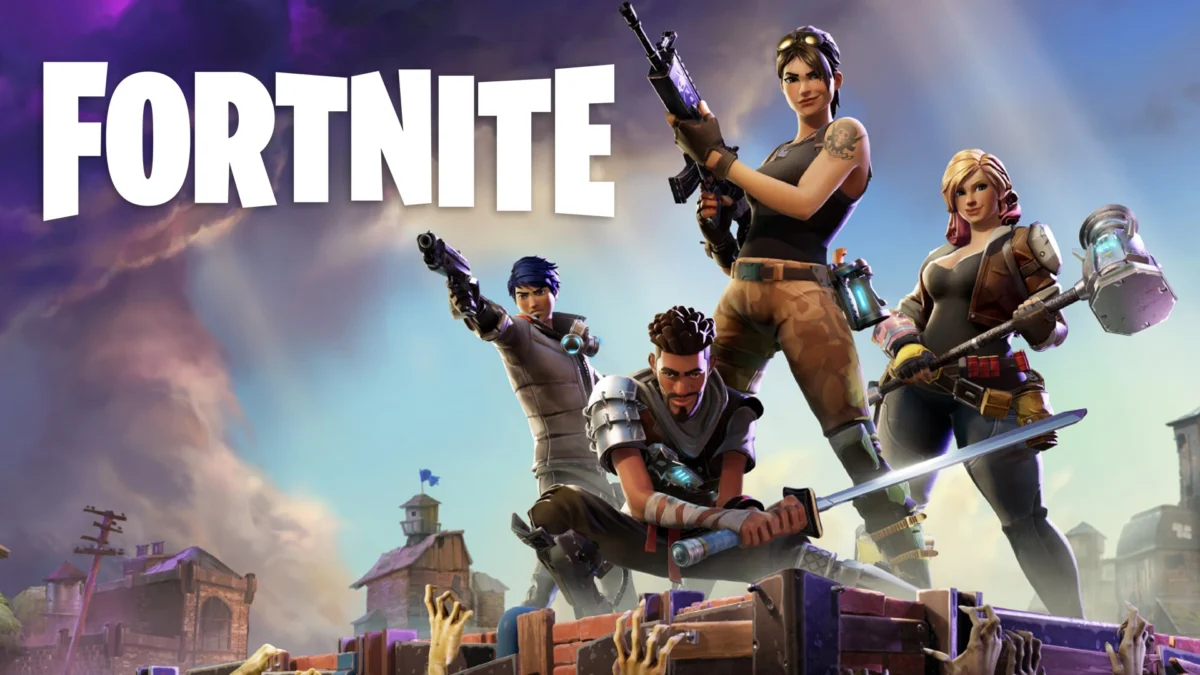
Fortnite, the survival-based video game developed by Epic Games and People Can Fly, has transformed from a delayed cooperative project into one of the most influential pieces of digital media in the 21st century. Originally conceived as a hybrid of the building mechanics found in Minecraft and the cooperative survival intensity of Left 4 Dead, the title has expanded far beyond its initial scope to become a massive social hub, a competitive esports titan, and a pioneer in the "live service" gaming model. Since its early access launch in 2017, the game has redefined how developers interact with their communities, how intellectual property is shared across mediums, and how the industry balances the demands of constant content updates with the well-being of its workforce.
The Long Road of Development and the Battle Royale Pivot
The journey of Fortnite began at the Spike Video Game Awards in 2011, where it was first introduced to the public. Initially, Epic Games envisioned a PC-exclusive title that would serve as the flagship for the then-new Unreal Engine 4. However, the game’s development was characterized by nearly six years of shifting scopes and internal delays. By 2014, while a functional prototype existed, Epic Games estimated that several more years were required to refine the complex interaction between its building systems and its combat mechanics.
The game finally entered a paid early access period in July 2017, focusing on its "Save the World" mode. In this version, players cooperated to build fortifications and defend against zombie-like creatures spawned from a global "storm." However, the landscape of gaming changed rapidly that year with the meteoric rise of PlayerUnknown’s Battlegrounds (PUBG), which popularized the "Battle Royale" genre. Recognizing a shift in consumer interest, Epic Games developed a standalone Battle Royale mode for Fortnite in just two months. Released in September 2017 as a free-to-play title, Fortnite Battle Royale quickly eclipsed the original game mode, drawing millions of players within weeks and setting the stage for its global dominance.
Expansion and Technical Innovation
A key pillar of Fortnite’s success was its aggressive multi-platform strategy. By early 2018, Epic Games announced an ambitious mobile release for iOS and later Android, promising "the same gameplay, same map, same content, and same weekly updates" as the console and PC versions. This commitment to parity was revolutionary, as it allowed for a seamless cross-play and cross-progression ecosystem.
The game’s arrival on the Nintendo Switch in June 2018 further solidified this ecosystem. Despite initial hurdles regarding cross-platform play between competing console manufacturers, Epic Games successfully advocated for a unified player base. This allowed friends to "squad up" regardless of whether they were playing on a smartphone, a high-end PC, or a handheld console. By June 2018, less than a year after the Battle Royale launch, Epic Games confirmed that the player base had surpassed 125 million individuals globally.
The Intersection of Gaming and Pop Culture
Fortnite’s impact extended beyond the gaming community and into the heart of mainstream pop culture. A defining moment occurred in March 2018, when the record-breaking Twitch streamer Tyler "Ninja" Blevins hosted a session with the rapper Drake. The event drew over 600,000 concurrent viewers, shattering previous records for the platform and signaling that gaming had moved from a subculture into the cultural zeitgeist.
This event was followed by unprecedented collaborations with major entertainment franchises. In May 2018, Epic Games partnered with Marvel Studios to introduce a limited-time event featuring Thanos, the antagonist of Avengers: Infinity War. This crossover, which allowed players to transform into the "Mad Titan" after finding an "Infinity Gauntlet" on the map, proved that video games could serve as interactive marketing platforms for Hollywood blockbusters. Subsequent updates introduced diverse items ranging from destructive shopping carts to "The Baller," a high-speed grappling vehicle, each designed to keep the gameplay loop fresh and "meme-able" for a social-media-savvy audience.
The Rise of the Professional Player and "Fortnite Tutors"
As the game’s competitive scene grew, culminating in the 2019 Fortnite World Cup, the social pressure to perform well in the game reached new heights. This gave rise to a unique phenomenon reported by the Wall Street Journal in July 2018: the hiring of Fortnite tutors. Parents, viewing the game as a "social proving ground" for their children, began paying professional players through sites like Gamer Sensei and Bidvine to provide one-on-one coaching.

While some observers viewed this trend with incredulity, others compared it to hiring coaches for traditional youth sports. For many families, proficiency in Fortnite became a means of social currency in schools, leading parents to invest in their children’s digital skills to ensure they were not left behind in their social circles.
Live Events and the "Blackout" Phenomenon
Epic Games redefined narrative delivery in games through live, one-time-only in-game events. The most notable of these was the "Fortnite Blackout" in October 2019. At the conclusion of Season 10, players watched as the entire game world was sucked into a massive black hole, leaving the game unplayable and the screen dark for several days.
This "Blackout" was a masterclass in digital marketing, generating massive search interest and speculation across the globe. It served as the bridge to "Chapter Two," which introduced a completely new map and overhauled mechanics. By treating the game as an evolving world rather than a static product, Epic Games maintained a level of engagement rarely seen in the industry.
Legal Challenges and Intellectual Property Disputes
Fortnite’s rapid ascent was not without significant legal friction. The game faced multiple lawsuits regarding its use of "emotes"—celebratory dances that players could purchase for their avatars. In late 2018, rapper 2 Milly filed suit over the "Milly Rock" dance, and actor Alfonso Ribeiro took legal action over the "Carlton Dance" from The Fresh Prince of Bel-Air. Saxophonist Leo Pellegrino also sued, alleging the "Phone It In" emote misappropriated his likeness. These cases highlighted a complex gray area in intellectual property law: whether a short sequence of dance moves can be copyrighted or if it constitutes a person’s "likeness."
Furthermore, the game’s similarities to its competitors led to a copyright suit from PUBG Corp in South Korea in early 2018. Although the suit was eventually dropped, it underscored the tensions within the industry as developers raced to capitalize on the Battle Royale trend.
The Human Cost: Security and Workplace Culture
As Fortnite became a multi-billion-dollar enterprise, the infrastructure behind it faced scrutiny. In early 2019, security researchers at Check Point Software Technologies discovered a flaw that could have allowed hackers to take over accounts and record private conversations. Epic Games moved quickly to patch the vulnerability, but the incident highlighted the risks associated with such a massive, interconnected user base.
More troubling were reports regarding the work environment at Epic Games. In April 2019, an investigation by Polygon revealed a culture of extreme "crunch," with employees and contractors reporting 70- to 100-hour work weeks to maintain the game’s relentless update schedule. While workers were compensated with overtime, the report detailed cases of health issues, stress-related breakdowns, and a "hostile" atmosphere where taking time off was seen as a lack of commitment. A company spokesperson admitted that the game’s success had created "incredible vigor and commitment" but also necessitated a massive expansion of the team to keep up with the audience’s demands.
Broader Impact and Industry Implications
Fortnite’s legacy is defined by its role as a pioneer of the "metaverse" concept—a digital space where gaming, social interaction, and commercial branding converge. Its success forced other major publishers, such as Activision and Electronic Arts, to adopt similar free-to-play models and seasonal content structures.
Despite controversies surrounding its workplace culture and legal battles over digital assets, Fortnite remains a cornerstone of modern entertainment. It has proven that a video game can function as a live broadcast medium, a social network, and a global competitive stage all at once. As the industry moves forward, the "Fortnite model" continues to serve as both a blueprint for success and a cautionary tale regarding the sustainability of the "live service" era. The game’s ability to constantly reinvent itself ensures that it will remain a subject of study for developers, sociologists, and market analysts for years to come.

