
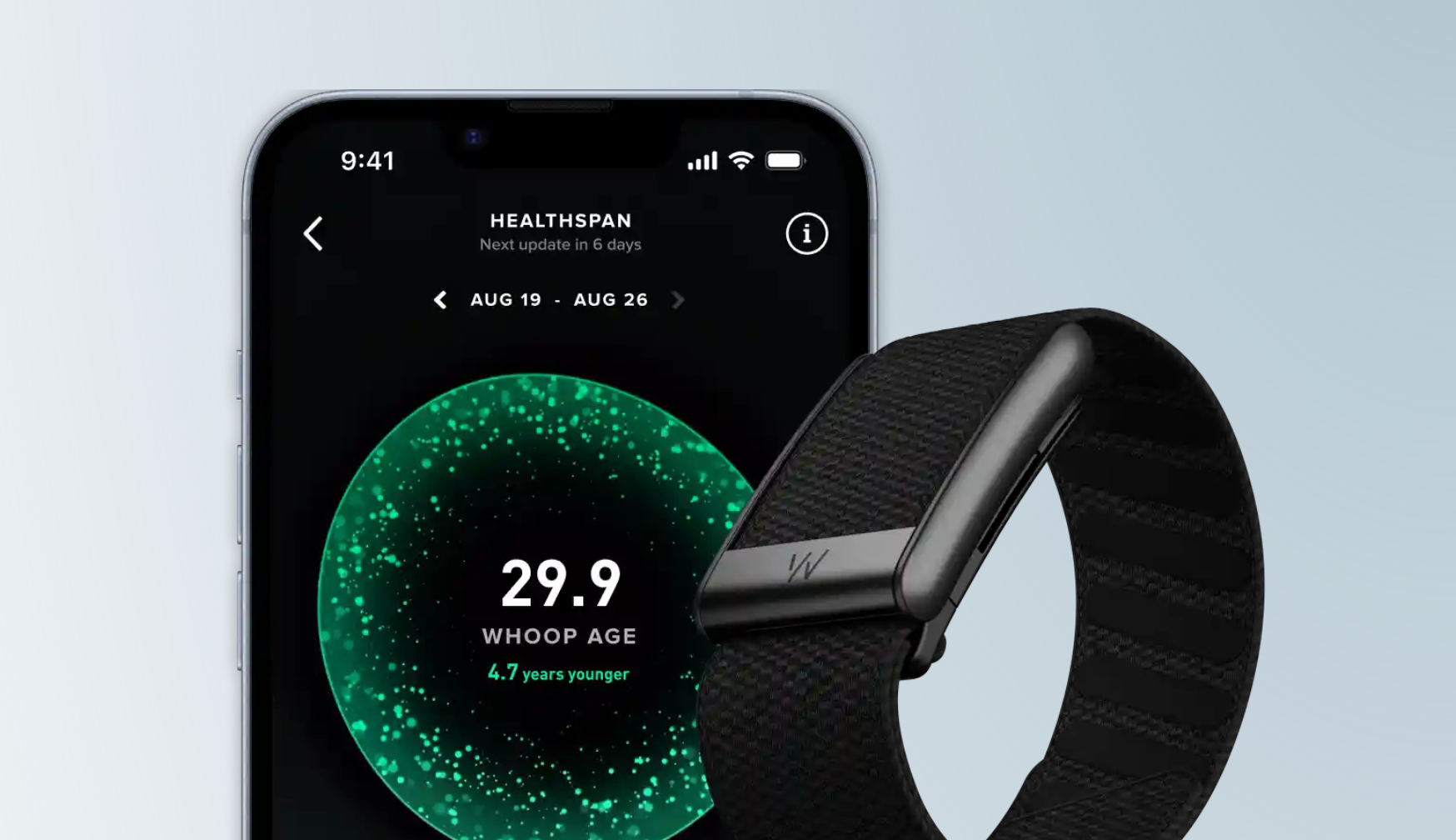
Whoop, the innovator behind screen-less fitness bands, is set to launch a groundbreaking social network named Whoop Humans on Thursday. This new platform is designed to allow its members to connect with friends and family, sharing their personal health data in a controlled and customizable environment. The introduction of Whoop Humans signifies a pivotal moment for the company, blending its core wearable technology with an enhanced social dimension while concurrently accelerating its strategic pivot into the broader medical wellness sector. This move positions Whoop not merely as a fitness tracker provider but as a comprehensive personal health ecosystem aiming to foster deeper connections and more proactive health management.
The Genesis of Whoop Humans: Redefining Social Health Tracking
Whoop Humans will be seamlessly integrated into the existing Whoop application, accessible to all members across every membership tier without any additional cost. This universal rollout underscores Whoop’s commitment to enhancing user experience and engagement. Unlike conventional social media platforms, Whoop Humans focuses explicitly on health metrics, allowing members to selectively share data ranging from sleep patterns and recovery scores to workout achievements and daily physiological insights. The platform’s design incorporates interactive elements, enabling followers to react to and comment on shared data, with members having the option to augment their posts with photos and personal commentary, providing richer context to their health journey.
Central to the Whoop Humans philosophy is user autonomy and privacy. CEO Will Ahmed emphasized that participation is entirely opt-in, granting members granular control over their data. This represents a significant evolution from Whoop’s existing social feature, "Teams," which, while utilized by over half of its customer base, operates on a group-centric model where all members of a team can view each other’s information. Teams are primarily built around group challenges and leaderboards, fostering a competitive, collective environment. In contrast, Whoop Humans is engineered for intimacy and personalized sharing. Members dictate precisely who follows them and, crucially, what specific data points are visible to each follower. This allows for diverse applications, such as a personal trainer monitoring a cohort of clients individually without those clients having access to each other’s sensitive health information, or family members keeping tabs on the well-being of their loved ones.
During beta testing, valuable insights emerged regarding user engagement. Ahmed noted that members demonstrated higher levels of interaction and concern when a peer reported a low recovery score compared to a near-perfect one. This finding suggests that Whoop Humans could serve as a vital early warning system within social circles, prompting attention and support when an individual might be struggling with their health. This human-centric response mechanism aligns with Whoop’s broader mission to move beyond mere data collection toward actionable health insights and community support.
Strategic Expansion into Medical Wellness and an Aging Population
The launch of Whoop Humans is not an isolated development but rather a complementary component of Whoop’s aggressive expansion into the medical wellness landscape. The company, much like its direct competitor Oura, is strategically leveraging the growing demand for proactive health management, particularly among an aging global population. This demographic increasingly seeks sophisticated yet accessible tools to monitor and improve their health outcomes.
Whoop has already laid significant groundwork in this area. Its devices now incorporate FDA-cleared electrocardiogram (ECG) functionality and atrial fibrillation (AFib) detection, crucial features for cardiovascular health monitoring. Further additions include blood pressure insights, integrated blood testing capabilities, and the facility to upload medical records directly into the Whoop platform. These enhancements collectively transform the Whoop band from a mere fitness tracker into a comprehensive personal health monitoring device, blurring the lines between consumer electronics and medical-grade wellness tools.
The company’s commitment to this demographic is evident in its growth figures. While declining to provide specific metrics, Ahmed revealed that Whoop has experienced "huge growth" among individuals over the age of 60 in the past 18 months. This demographic shift validates Whoop’s strategic focus. Furthermore, Whoop has distinguished itself by being among the initial companies accepted into a Medicare program designed to reimburse qualifying wearables that demonstrably improve health outcomes. The presence of Medicare members within its user base underscores the tangible impact and clinical relevance of Whoop’s technology. This integration into formal healthcare reimbursement structures marks a significant validation of its utility beyond recreational fitness. Ahmed anticipates that families will be significant users of Whoop Humans, envisioning scenarios where adult children can discreetly check in on the health data of their aging parents, offering a new layer of remote care and peace of mind.
Navigating the Complexities of Privacy and Data Security
As Whoop increasingly positions itself as the "brand for personal health," fundamental questions regarding data privacy and security naturally arise. In an era of heightened awareness concerning digital privacy, particularly with sensitive health information, Whoop’s approach is critical. Ahmed reiterated the robust privacy architecture embedded within Whoop Humans. Members retain ultimate control, choosing which specific metrics to share, possessing the ability to remove followers at any time, and having the option to activate "stealth mode" to temporarily go dark without altering their primary settings. Crucially, activities marked as sensitive are not shared by default, and Ahmed explicitly stated that health alerts and medical information are never shared on the platform. To maintain community integrity, members can report any comment or photo deemed disturbing, with reported content undergoing a review process by the company.
Whoop’s policy regarding minors sets a minimum age of 13 for all members, a threshold that may be higher in certain international jurisdictions. This means that users aged 13 and above can share their data, subject to parental consents and their individual privacy settings. When pressed on the specific scenario of a parent following a teenager’s data, Ahmed did not offer a direct answer, instead emphasizing the comprehensive privacy controls available to all users. This highlights the delicate balance between parental oversight and adolescent autonomy in the digital health space.
A cornerstone of Whoop’s business model and privacy commitment is its explicit stance against selling or licensing member data to third parties. Ahmed unequivocally stated, "Our product is not you; it’s the membership." This business model, centered on a subscription service rather than data monetization, aims to build trust with its user base, distinguishing it from companies whose revenue streams might rely on data brokering. This transparent approach to data ownership is crucial for a company handling such intimate personal information.
Financial Outlook and the Competitive Arena
The health tech industry is currently experiencing a dynamic period of innovation and consolidation, a trend Whoop is actively observing and participating in. Ahmed was candid about dealmaking, particularly in light of Oura’s recent announcement to acquire Counsel Health, an AI-native primary care startup, for $625 million. He anticipates "more consolidation" among AI-focused, clinician-focused, and wearable technology companies. Ahmed indicated that Whoop, owing to its deep relationship with its members and robust platform, is strategically positioned to be an acquirer in this evolving landscape. This proactive stance suggests an aggressive growth strategy beyond organic expansion.
While Ahmed was forthcoming about strategic acquisitions, he remained guarded regarding Whoop’s own financial specifics, declining to disclose revenue figures or confirm profitability. However, he did share impressive growth metrics: the company currently employs approximately 1,200 individuals, its software platform membership has surged by over 70% annually for the past three consecutive years, and it projects nearly 4 million members by the close of the current year. These figures paint a picture of substantial operational growth and user adoption, indicative of a strong market presence and increasing brand loyalty.
Regarding a potential Initial Public Offering (IPO), especially after securing a significant funding round earlier this year, Ahmed stated only that Whoop "will certainly IPO in the future." He refrained from commenting on Oura’s decision to shelve its own IPO plans, which aimed to raise up to $2.2 billion, citing market uncertainty in September. This cautious approach reflects the volatile nature of public markets and a strategic decision to time an IPO when conditions are most favorable.
Whoop is also widening its market reach through strategic retail partnerships and demographic targeting. The company announced that its devices will be available in Ulta stores starting next March, initially in approximately 500 locations, with an ambitious goal to expand to over a thousand stores. This move aligns with a notable demographic shift within Whoop’s user base: its female audience has more than doubled from the previous year. The Ulta partnership specifically targets this growing segment, recognizing the intersection of wellness, beauty, and personal care.
The competitive landscape for Whoop is intensifying. In addition to Google’s new Fitbit Air band, which offers a similar screen-less form factor, Whoop may soon face direct competition from tech giant Apple, which is reportedly developing its own Whoop-style fitness band. Despite these formidable competitors, Ahmed largely shrugged off concerns, asserting that merely building a product does not guarantee success. Instead, he emphasized Whoop’s commitment to staying true to the "aspiring" individuals it serves, focusing on continuous innovation and a deeply personalized user experience. This philosophy suggests a belief that differentiation will come from the depth of its health insights and the strength of its community, rather than simply hardware specifications or market saturation.
Broader Implications and Future Trajectory
The launch of Whoop Humans represents more than just a new feature; it is a significant step in Whoop’s evolving vision to become a holistic personal health platform. By integrating social connection with advanced health monitoring and a strategic push into medical wellness, Whoop is creating a comprehensive ecosystem designed to empower users to take proactive control of their health. The platform’s emphasis on intimacy, control, and supportive engagement through shared health data could redefine how individuals interact with their biometric information and with each other in the context of wellness.
The convergence of social features, medical-grade insights, and a community-centric approach holds immense potential. It can foster greater accountability, provide emotional support during health challenges, and offer new avenues for personalized coaching and care. However, this trajectory also brings inherent challenges, primarily maintaining user trust through stringent privacy safeguards, navigating an increasingly complex regulatory environment for health data, and fending off well-resourced technology behemoths entering the wearable health space.
Ultimately, Whoop’s strategy signals a future where health monitoring is not a solitary endeavor but a connected, shared experience. With Whoop Humans, the company is betting that by enabling users to intimately share their health journeys, it can deepen engagement, build a stronger community, and solidify its position as a leading innovator at the intersection of technology, wellness, and human connection. The success of this ambitious venture will depend on its ability to continuously innovate, safeguard user data, and effectively communicate the value of its integrated health ecosystem to a diverse and increasingly health-conscious global population.

