
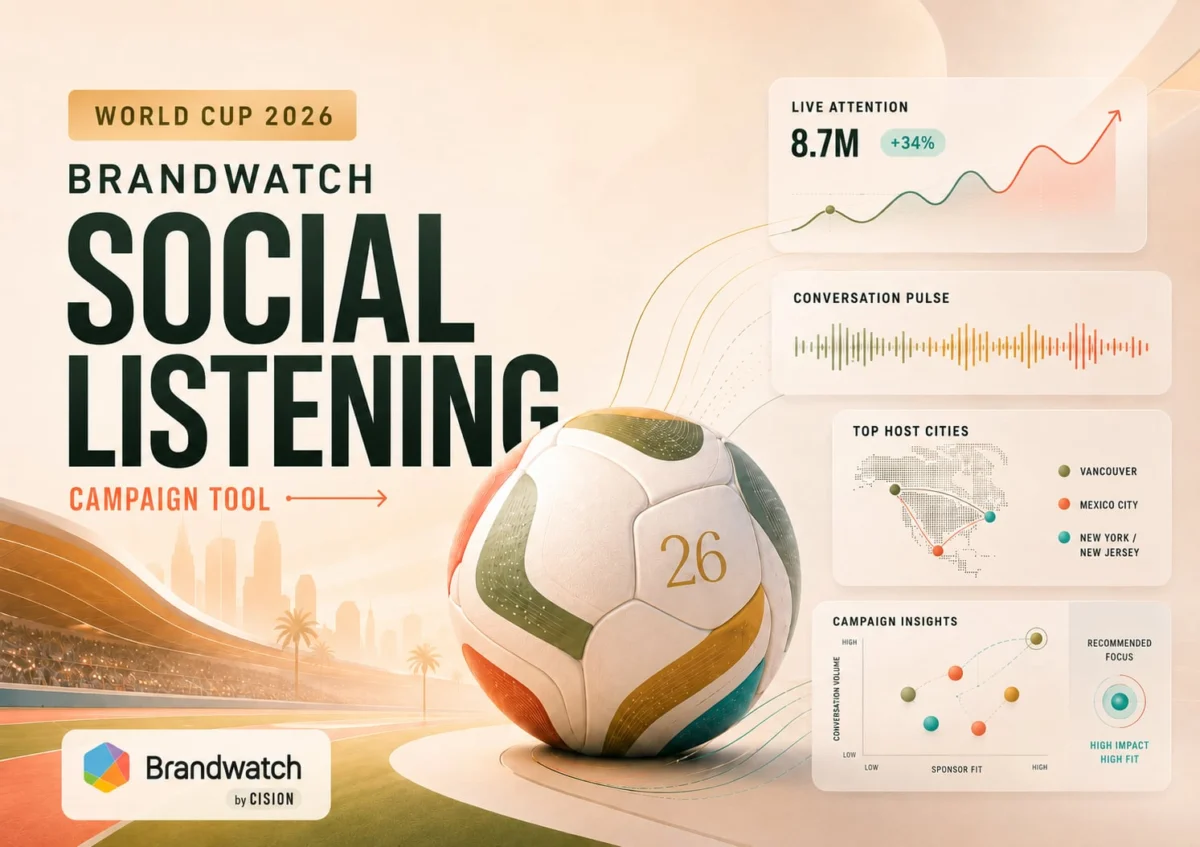
The forthcoming FIFA World Cup in 2026 stands poised to redefine the parameters of global sports marketing, presenting an unprecedented scale that necessitates a radical departure from traditional sponsorship strategies. With 48 participating teams, an expanded schedule of 104 matches, and 16 host cities spread across Canada, Mexico, and the United States, this tournament represents the largest men’s World Cup in history. While the sheer magnitude offers unparalleled opportunities for brand visibility and engagement, it simultaneously introduces a level of complexity that renders conventional, pre-planned marketing campaigns increasingly inadequate. The dynamic nature of modern media consumption dictates that attention will not be uniform; instead, it will ebb and flow, shifting rapidly based on specific matches, host cities, individual player performances, fan moments, creator reactions, evolving platform trends, and localized storylines. This fragmented, real-time attention landscape demands an agile, data-driven approach, marking a critical inflection point for how brands engage with global sporting spectacles.
The Evolving Landscape of Sports Sponsorship
For decades, World Cup marketing has been synonymous with a sponsorship game built on long-term agreements and broad visibility. Brands would secure official partnerships, plan extensive campaigns months in advance, and primarily measure their performance retrospectively, once the tournament concluded. This model, while effective in an era dominated by traditional broadcast media, struggles to keep pace with the hyper-connected, digital-first environment of today. The advent of social media, the proliferation of digital content creators, and the rise of the "attention economy" have fundamentally altered how fans experience and interact with live events. No longer are fans passive recipients of information; they are active participants, generating, sharing, and reacting to content across myriad platforms, often in real-time.
This shift has created a critical distinction between mere "reach" and genuine "attention." A brand logo prominently displayed on a stadium billboard or television advertisement generates reach, but it doesn’t automatically translate into meaningful conversation or engagement. True attention, in the contemporary context, implies that audiences are actively discussing the brand, its campaigns, or its activations in a relevant and memorable context. This could manifest as fans referencing campaign creatives, reacting to on-the-ground activations, or connecting the brand to a specific player, team, city, product, or experience. Crucially, understanding the sentiment—whether this attention is positive, neutral, or negative—becomes paramount for effective brand management and strategic response. The question for marketers has evolved from "How much reach did we buy?" to "Where is our brand authentically becoming part of the conversation, and what actionable steps should we take next?"
World Cup 2026: A Marketing Colossus
The 2026 World Cup’s expanded format amplifies these challenges and opportunities significantly. The decision to increase the number of teams from 32 to 48 and matches from 64 to 104 will extend the tournament’s duration and broaden its geographic footprint across three distinct nations. Historically, the FIFA World Cup commands immense global viewership, with the 2022 tournament in Qatar reportedly reaching over 5 billion people worldwide through various platforms, and the final alone drawing nearly 1.5 billion viewers. Projections for 2026 suggest these numbers will only grow, especially with the North American hosting. This vast audience, however, will be distributed across an unprecedented number of venues and cultural contexts.
Each of the 16 host cities—from Vancouver to Guadalajara, from New York to Miami—represents a unique local market with its own media landscape, creator ecosystem, tourism economy, hospitality scene, and distinct fan behaviors. The logistical complexities for brands trying to activate across such a diverse and expansive geography are immense. A campaign that resonates deeply in one city might fall flat or even be misunderstood in another. Furthermore, the extended tournament duration means that narratives will evolve over a longer period, with early-round surprises, player injuries, tactical shifts, and controversial moments all capable of derailing pre-set marketing messages or, conversely, creating unforeseen windows of opportunity. The sheer volume of matches also risks diluting attention across the tournament, making it harder for any single brand message to cut through the noise without dynamic adaptation.
The Imperative for Live Attention Data
In this rapidly shifting environment, the traditional cycle of campaign planning, execution, and post-event measurement is simply too sluggish. Marketers require a real-time attention layer that acts as a continuous feedback loop, enabling them to make informed decisions while the event is still unfolding. Industry experts and marketing professionals increasingly emphasize the need for agile strategies that can pivot quickly based on live data. Without such insights, even the most expensive sponsorships risk becoming mere exposure, failing to translate into meaningful brand resonance or measurable business outcomes.
This is where advanced social listening and search intelligence tools become indispensable. They offer the capability to monitor the pulse of public conversation, identifying emerging trends, shifts in sentiment, and pockets of heightened attention that can be leveraged or mitigated instantly. The value lies not merely in creating another sports dashboard, but in providing actionable marketing signals—data points that directly inform whether to activate a new campaign, amplify an existing message, localize content for a specific market, or even pull back from a potentially risky conversation. This adaptive capacity is crucial for maximizing return on investment in a mega-event like World Cup 2026, where the window for impactful engagement can be fleeting.
Brandwatch’s Football Attention Index: A Real-Time Compass
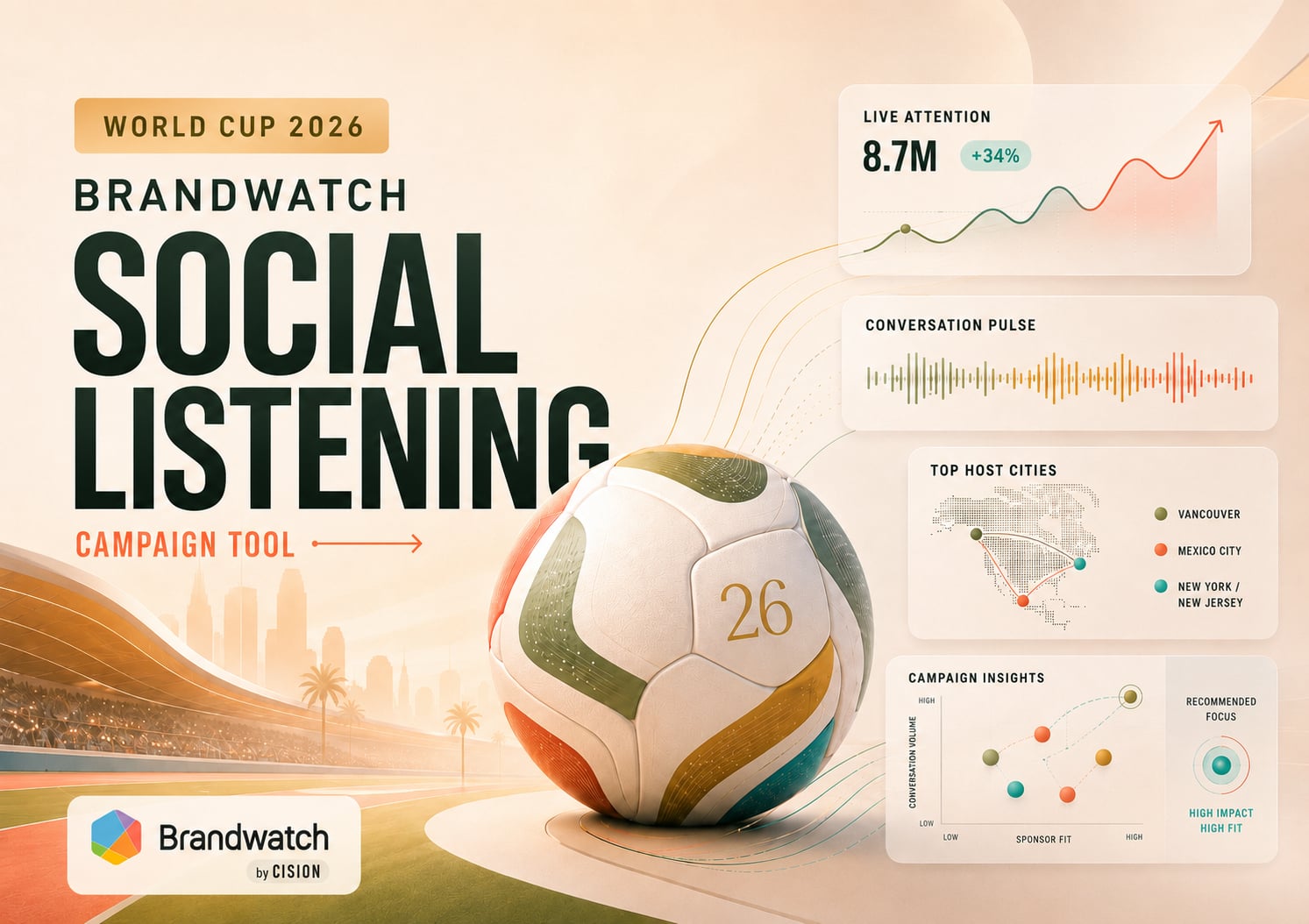
To address this pressing need, Brandwatch has developed its Football Attention Index, a sophisticated tool designed to provide marketers with a real-time understanding of World Cup conversation. Leveraging Brandwatch Consumer Research as its data source, the index tracks brands, trending topics, and host cities across a vast array of news sites and social media platforms. It updates daily, presenting conversation over a rolling seven-day window, ensuring that the insights are current and relevant.
The index organizes World Cup conversation into three marketer-friendly views, each offering distinct strategic advantages:
-
Brand View: This perspective allows sponsors and their competitors to monitor which commercial entities are generating the most conversation around the tournament. Beyond simply measuring visibility, it helps brands understand if they are gaining organic attention beyond their paid placements, assess the momentum of competitors, and gauge the effectiveness of their overall sponsorship strategy. It answers whether the brand is merely seen or genuinely discussed.
-
Topic View: This crucial component reveals the narratives and themes that are genuinely driving public discourse. Marketers can compare their pre-planned campaign themes—perhaps centered on national pride or sporting excellence—with what fans are actually discussing. The live conversation might veer towards player performance, travel logistical issues, stadium experiences, ticket prices, watch party culture, creator reactions, or broader fan sociology. Identifying these shifts enables brands to either align their messaging with emergent narratives or strategically introduce new angles that resonate with current sentiment.
-
Host-City View: Particularly vital for World Cup 2026’s distributed format, this view tracks attention at the city level. Given that the tournament is spread across 16 distinct locations, attention will naturally cluster around specific places, not just teams or sponsors. Each host city, as previously noted, boasts its unique local media, creator community, tourism dynamics, hospitality sector, and fan culture. A spike in conversation around a particular host city can serve as a potent campaign input, informing decisions regarding localized paid social budgets, the selection of local creators, targeted PR monitoring, retail tie-ins, hospitality content, and the precise timing of regional campaigns.
Strategic Activation in a Multi-City Tournament
For World Cup 2026, host-city attention should transcend the status of a secondary metric; it may well be one of the most actionable signals for regional marketing. A host city is not just a venue; it’s a vibrant local market where fans converge, travel, search for information, make purchases, post content, and create shared experiences. When a specific city begins to gain significant attention, marketers need to swiftly ascertain the underlying drivers of that surge. Is it linked to a major match, a unique fan experience, burgeoning travel demand, the influence of local creators, logistical issues at a stadium, sponsor activations, or perhaps the local food, nightlife, or tourism scene? Furthermore, understanding the sentiment—is it positive, negative, or mixed?—is critical for shaping the appropriate response.
Each distinct answer points towards a different marketing action. A short-term spike driven by a particularly exciting match might warrant reactive social content or collaborations with creators to capture the immediate excitement. A sustained lift in conversation around a city, perhaps due to its vibrant fan zones or cultural attractions, could justify a deeper investment in localized paid media campaigns, bespoke retail promotions, creator whitelisting, or curated hospitality content. Conversely, a negative spike, perhaps related to travel disruptions or venue concerns, would necessitate immediate social care, proactive PR monitoring, and stringent brand safety checks before any campaign amplification in that region. This demonstrates how social listening moves beyond mere data reporting to become a practical decision-making tool, guiding marketers on whether to trigger content, engage creators, allocate paid media, initiate PR, or exercise caution.
Leveraging Creators for Authentic Engagement
The creator economy has revolutionized how fans experience and engage with live sports, transforming it from a top-down broadcast model to a multi-faceted, peer-to-peer conversation. Sports discourse is no longer solely controlled by broadcasters, journalists, official teams, or brand channels. Fans now consume live event content through a diverse array of voices: athletes themselves, dedicated fan accounts, tactical analysts, lifestyle influencers, travel bloggers, food critics, gaming creators, local commentators, and rapidly evolving short-form video trends. This paradigm shift profoundly impacts how brands should utilize social listening.
If a particular topic is gaining traction, creators can serve as authentic conduits, explaining or translating complex narratives for specific communities. Should a host city become a focal point of conversation, local creators can imbue brand messages with authenticity and grounded relevance. If a sponsor is being discussed, creators can extend the campaign’s reach and impact far beyond simple logo exposure, weaving the brand naturally into their content. And when fans react to a significant moment, creators empower brands to participate in that conversation with immediacy and cultural fluency, ensuring their involvement feels current and organic. The workflow for brands becomes elegantly simple: identify the signal through social listening, find the appropriate creator whose audience and style align with the narrative, brief them on the desired message, activate their content, and then measure its impact. This symbiotic relationship between social listening and influencer marketing ensures that listening not only identifies the signal but also provides the means for brands to act upon it in a way that feels native to the conversation.
Key Signal Categories for World Cup Marketers
The pitfall of live-event listening often lies in attempting to track everything equally, which inevitably leads to an overwhelming dashboard filled with noise. For World Cup 2026, marketers should strategically concentrate on five critical signal categories to ensure actionable insights:
-
Sponsor Visibility: Beyond tracking mentions of the brand in connection with the tournament, the focus must shift to context. A smaller volume of positive, campaign-linked, or purchase-relevant mentions is significantly more valuable than a large spike that lacks clear meaning or positive sentiment. This ensures quality over mere quantity.
-
Category Momentum: The World Cup generates conversation that creates tangential opportunities for a wide array of industries: sportswear, travel, beverages, quick-service restaurants, payment systems, streaming services, telecoms, technology, retail, tourism, and financial services. The most significant opportunity for a brand might not stem from a direct brand mention, but from a broader category trend that grants the brand permission to organically enter the conversation. For example, a surge in discussion about travel logistics or local culinary experiences could be a gateway for a relevant airline or food delivery service, even without official sponsorship.
-
Host-City Signals: Continuously tracking which cities are gaining attention and, crucially, why is paramount. As discussed, these city-level spikes can directly inform localized creator campaigns, retail support, targeted paid social budgets, PR monitoring, bespoke hospitality content, and market-specific messaging. This also presents a significant opportunity for brands without official tournament sponsorship rights. While they may be restricted from using protected tournament assets, they can still authentically participate in local fan culture, travel moments, unique food scenes, city-specific experiences, and creator-led storytelling, tapping into regional enthusiasm.
-
Narrative Shifts: Live sporting events are inherently unpredictable, generating stories that no pre-set campaign calendar can fully anticipate. Player injuries, underdog victories, viral celebrations, travel complications, fervent fan reactions, contentious referee decisions, and emergent creator memes can all drastically alter the public’s focus. The objective is not to chase every fleeting trend but to identify which narratives are genuinely relevant, brand-safe, and aligned with core brand values, thereby allowing for strategic and impactful intervention.
-
Sentiment and Risk: A sudden surge in mentions can signal campaign success, but it can also indicate widespread complaints, mockery, questioning, or public backlash. Before amplifying any creator post, joining a trending conversation, or localizing a campaign around a specific city, marketers must ascertain whether the prevailing conversation is positive, mixed, or negative. This critical sentiment analysis is a fundamental brand safety measure, safeguarding reputation and ensuring that amplification efforts contribute positively to brand perception.
Integrating Search Intelligence for Deeper Insights
While social listening excels at revealing what people are saying, search intelligence provides a complementary and equally vital layer: it shows what people are trying to understand. This distinction becomes exceptionally important during a dynamic live event, as fans don’t always vocalize their questions publicly on social media. Instead, they turn to search engines for practical information: match times, streaming options, ticket details, player biographies, city guides, travel routes, watch party locations, merchandise, brand promotions, and explanations of controversial moments.
Brandwatch’s Search Intelligence product adds this crucial intent layer by monitoring search behavior across traditional search engines, shopping environments, social search platforms, and even generative AI platforms in over 150 countries. The combination of social listening and search intelligence is profoundly powerful for marketers. Social listening offers insights into momentum and emotion, while search intelligence illuminates questions, demand, and explicit intent. When integrated with creator performance data (showing which voices are moving the conversation) and campaign analytics (demonstrating whether attention is translating into action), brands gain a holistic, multi-source understanding. A particular topic might emerge as a search query long before it becomes a trending social media topic. A shift in product demand might first appear in shopping search data before it’s reflected in brand mentions. And a potential reputation issue could surface in AI or search prompts before escalating into a public social media crisis. This multi-source signal strategy, rather than a social-only approach, forms the most robust foundation for navigating the complexities of World Cup 2026.
Developing a Live Attention Workflow for Success
Brandwatch’s Football Attention Index, while based on a representative sample of English-language mentions and noting that a single mention can appear in multiple categories, serves as an invaluable directional attention layer. Its utility lies not in providing a complete census of global conversation but in clarifying where attention is clustering, which brands are gaining visibility, which topics are moving, and which cities are becoming hotspots. Marketing teams should use these signals as foundational insights, validating them against their own proprietary audience data, creator performance metrics, paid media results, sales figures, customer care themes, and overarching regional campaign priorities.
The practical imperative for brands is to establish a robust, live attention workflow before the biggest World Cup moments arrive. This workflow should encompass:
- Daily Monitoring: Consistent tracking of brand, competitor, category, topic, and host-city conversations.
- Pre-mapped Creator Network: Identifying and categorizing creator types suitable for various likely tournament moments (e.g., local foodies for host city activations, tactical analysts for match reactions).
- Rapid Briefing Process: A streamlined mechanism for translating rising topics into actionable creator briefs within 24 hours.
- Sentiment Checks: Mandatory sentiment analysis before any amplification to ensure brand safety.
- Paid Social Rules: Pre-defined rules for strategically boosting creator or local content that performs well.
- PR Triggers: Protocols for engaging PR teams in response to negative spikes or reputational risks.
- Integrated Reporting: Post-event analysis that rigorously compares real-time attention signals with ultimate campaign outcomes, providing a clear understanding of ROI and informing future strategies.
The brands that will truly thrive during World Cup 2026 will not merely be those that publish the most content. Instead, success will be defined by those capable of interpreting attention faster and translating those insights into sharper, more adaptive campaign decisions. Brandwatch’s index illuminates this fundamental shift, demonstrating how a global sports event can be dynamically read through the lens of brands, topics, and cities in near real-time. The broader, enduring lesson is that the future of live-event marketing demands an increasingly tight and sophisticated integration between social listening, creator strategy, search intelligence, paid amplification, and comprehensive, continuous measurement.

