
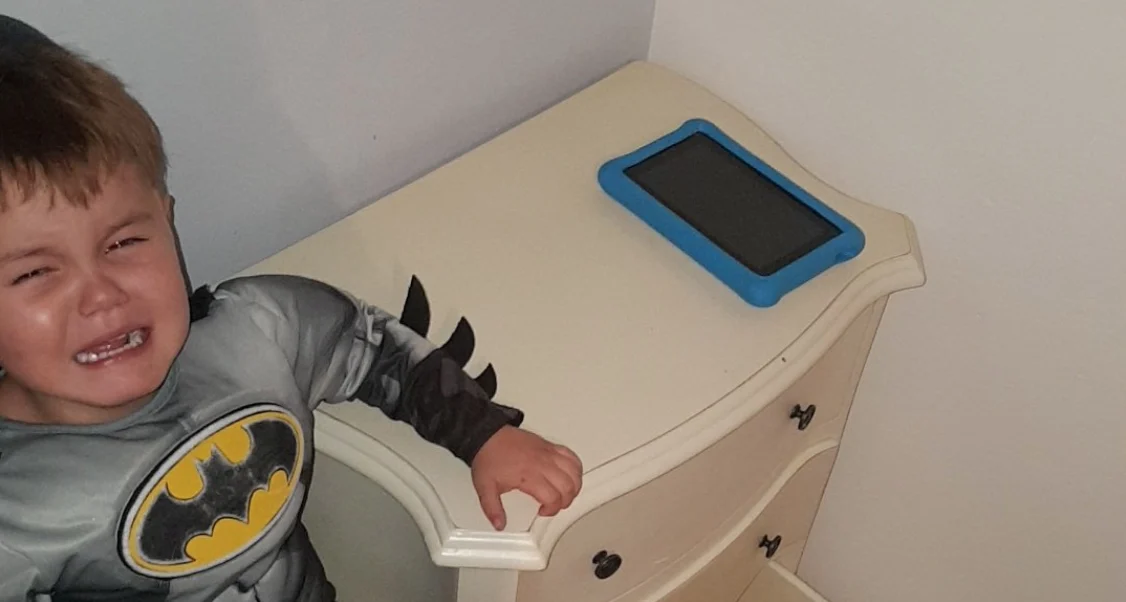
The digital landscape of the late 2010s was characterized by a rapid transition from relatable family anecdotes to a more surreal, absurdist form of internet humor, a phenomenon perfectly encapsulated by the viral trajectory of the Piss Drawer. What began as a localized family mishap shared on social media quickly evolved into a cornerstone of "ironic" meme culture, illustrating the unpredictable nature of digital virality and the shifting boundaries of public discourse regarding domestic privacy and childhood behavior. The image at the center of this cultural moment—a three-year-old boy in a Batman costume, visibly distraught after his clandestine habits were discovered—remains one of the most recognizable "cursed images" of its era, serving as a case study for how specific visual elements can trigger a global comedic response.
The Genesis of a Viral Incident
The origins of the Piss Drawer phenomenon can be traced to October 24, 2017, when a Twitter user identified as Phoebe Bartlett shared a candid photograph of her younger brother. The image depicted the toddler, dressed in a full-body Batman costume, crying with his face flushed and mouth agape. According to the accompanying caption, the child’s distress was the result of his mother discovering a drawer in their home that he had been using as a makeshift urinal. Adding to the absurdity of the situation, Bartlett noted that the boy had attempted to shift the blame onto the family dog, despite the logistical impossibility of such an act.
The initial engagement metrics were staggering for a non-celebrity account. Within a short period, the post garnered over 52,000 retweets and more than 160,000 likes. The combination of the child’s superhero attire, the "gross-out" factor of the secret drawer, and the classic childhood tactic of blaming a pet created a perfect storm for social media engagement. It represented a specific type of "sharenting" or sibling-sharing that prioritized the humor of a situation over the conventional dignity of the subject, a hallmark of early-to-mid-2010s internet culture.
Mainstream Media Adoption and Initial Spread
The speed with which the story moved from a personal Twitter feed to mainstream digital outlets was indicative of the media environment in 2017. By October 25, only one day after the original post, BuzzFeed published a feature on the incident. This coverage effectively moved the image from the "weird" side of Twitter into the broader public consciousness. At this stage, the reaction was largely one of amusement and relatability; many parents shared similar stories of the strange, often inexplicable logic of toddlers who are still navigating the boundaries of hygiene and social norms.

During this primary phase, the image was treated as a "viral story" rather than a "meme." The focus remained on the narrative provided by Phoebe Bartlett. However, as the image began to circulate on platforms like Instagram and Facebook, it started to lose its original context, becoming a standalone visual symbol of "trouble" or "getting caught." This set the stage for its secondary, more influential life as a digital artifact in the world of ironic shitposting.
The 2018-2019 Resurgence: From Story to Meme
The transition of the Piss Drawer from a funny anecdote to a versatile meme template occurred approximately a year after its initial debut. This second wave was driven largely by the community on Reddit, specifically within subreddits like r/okbuddyretard and r/memes. These communities are known for "ironic" humor, which often involves taking outdated or bizarre images and repurposing them with intentional misspellings, low-quality editing, and absurdist captions.
On August 11, 2018, a Redditor known as MilkyAurora posted an edited version of the image to r/okbuddyretard. This version utilized the "impact font" typical of early 2010s memes but subverted it with the repetitive, frantic caption: "MOM FOUND TH MOM FOUND THE PISS DRAWER." This edit stripped away the original family context and replaced it with a hyper-fixation on the most shocking element of the story. By January 2019, other users, such as PaneRampage, had further refined the format, cementing the phrase "Mom found the piss drawer" as a recognizable punchline within these niche digital circles.
The "Mom Found…" Trope and Cultural Context
The Piss Drawer did not exist in a vacuum; its success was bolstered by its association with a pre-existing family of memes often referred to as the "Mom Found…" trope. The most prominent predecessor was the "Mom Found My Poop Sock" meme, a similarly gross-out, absurdist concept that involved a parent discovering a hidden item used for unhygienic purposes. These memes tap into a universal anxiety—the fear of a parent discovering a secret that is not only "bad" but also profoundly embarrassing and difficult to explain.
Sociologically, these memes represent a form of transgressive humor. By discussing topics that are generally considered taboo or revolting in polite society (such as bodily fluids), internet users create an "in-group" of those who can appreciate the absurdity without being genuinely offended. The Piss Drawer, with its specific visual of the crying Batman, added a layer of pathetic comedy that the purely text-based "Poop Sock" lacked. The child’s costume served as a poignant reminder of his innocence, making the "crime" of the piss drawer seem all the more ridiculous.

Multimedia Evolution and Remix Culture
As the meme reached its peak in mid-2019, it transcended static images and entered the realm of video remixing. On platforms like YouTube, creators began integrating the Piss Drawer into various formats. Notable examples include:
- ASMR Parodies: In May 2019, YouTuber Lacrosse Devil posted an ASMR (Autonomous Sensory Meridian Response) parody where a soft-spoken narrator whispered the narrative of the mother finding the drawer. This juxtaposition of a relaxing, intimate audio format with a repulsive subject matter is a common trope in experimental internet comedy.
- Video Game Crossovers: Other creators used sound effects from popular video games to enhance the drama of the image. One popular edit used the "alert" sound and dramatic music from the Metal Gear Solid series, framing the mother’s discovery as a high-stakes stealth mission failure.
- Recursive Image Macros: Some versions of the meme featured the image layered within itself multiple times, with captions like "Yooo, dis momma prob really mad rn ngl," reflecting the "deep-fried" and recursive aesthetic popular in 2019.
Analysis of Implications: Privacy, Ethics, and Longevity
The viral nature of the Piss Drawer also raises significant questions regarding the ethics of digital privacy for minors. While the original post was intended as a harmless family joke, the subject—a three-year-old child—had no agency in the decision to share his most embarrassing moment with millions of people. As the image became a meme, the child’s face was used as a shorthand for various "low-brow" jokes across the globe. This reflects a broader trend where the "digital footprint" of a person begins long before they are old enough to understand what a footprint is.
Furthermore, the longevity of the Piss Drawer meme highlights the "permanent" nature of internet content. Years after the original incident, the boy in the photo will likely encounter the image of himself as a crying toddler in a Batman costume associated with the term "Piss Drawer." This permanence is a relatively new phenomenon in human history, where a momentary lapse in judgment or a quirky childhood phase can be archived and broadcasted indefinitely.
Conclusion and Legacy
The Piss Drawer remains a definitive example of late-2010s internet culture. It bridges the gap between the "viral human interest" stories of the early web and the "ironic, absurdist" memes of the modern era. Its success was predicated on a unique blend of visual storytelling (the Batman costume), shock value (the drawer itself), and a relatable—if extreme—domestic conflict.
In the years since its peak, the meme has largely entered the "hall of fame" of internet history, referenced by those who lived through that specific era of Reddit and Twitter. It serves as a reminder of how the internet can take a private, arguably unseemly family moment and transform it into a global cultural touchstone. While the specific trends of "ironic" memes may evolve, the Piss Drawer stands as a testament to the enduring human fascination with the bizarre, the gross, and the hilariously unfortunate intersections of childhood and parenting in the age of social media.

