
The mid-October 2026 diplomatic and social media landscape was unexpectedly dominated by a fierce ideological conflict between users in Japan and France, an event now widely referred to as the Japan vs. France Twitter War. What began as a localized debate over the use of anime iconography in political demonstrations rapidly spiraled into a cross-continental "flame war" involving millions of posts, the weaponization of national statistics, and a profound exploration of cultural ownership. The conflict serves as a landmark case study in how digital nationalism can bridge the gap between pop culture and geopolitics, revealing deep-seated social tensions within two of the world’s most influential cultural powerhouses.
The Catalyst: The Straw Hat Rebellion
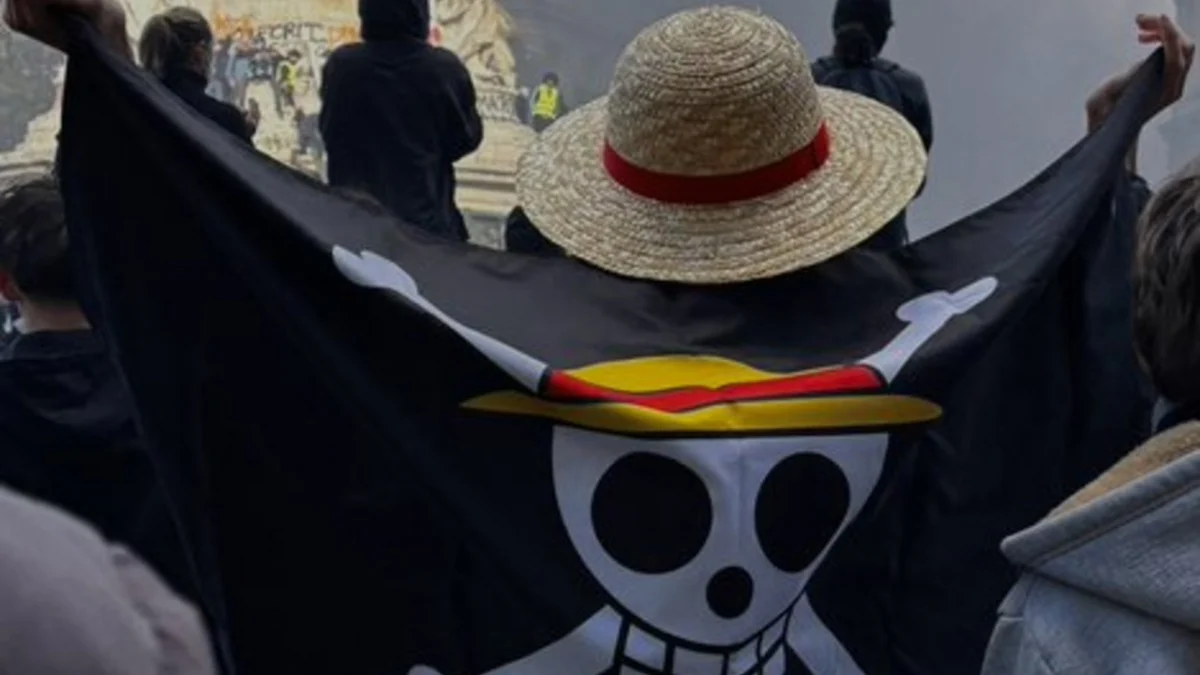
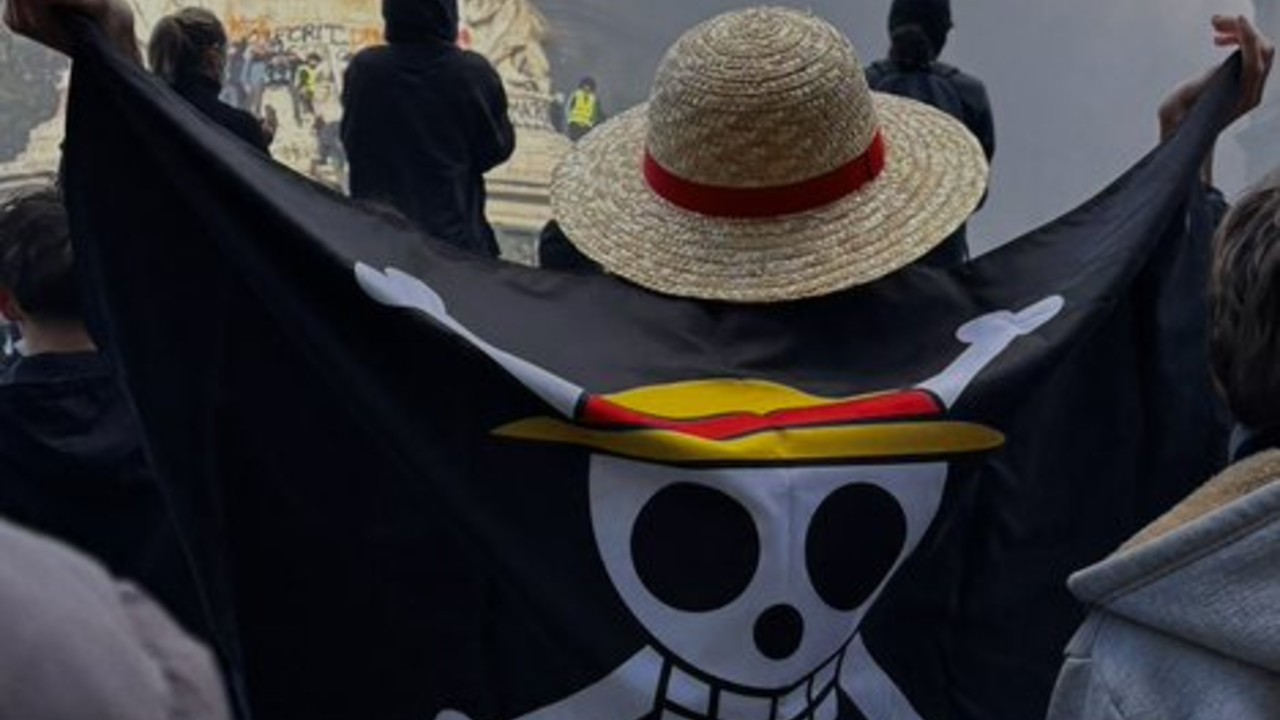
The origins of the conflict can be traced to October 17th, 2026, during the height of the "Act 3" protests in France. These protests, driven by widespread dissatisfaction with government budget cuts, rising costs of living, and perceived systemic failures in the national education system, had already garnered international attention for their scale and intensity. However, the narrative shifted when X (formerly Twitter) user @le4ory posted a photograph of a protester clad in a straw hat, waving the iconic "Jolly Roger" flag of the Straw Hat Pirates from the world-renowned manga and anime series One Piece.
The image immediately resonated within the French digital sphere, where One Piece enjoys a status nearly equivalent to domestic literature. For the protesters, the character Monkey D. Luffy and his crew represented a spirit of liberation, anti-authoritarianism, and the struggle against a corrupt global elite—themes central to the series’ "Final Saga," which was reaching its climax in late 2026. Within 24 hours, the post amassed over 30,000 likes, and other users, such as @ZzzzzSol, began championing the Straw Hat flag as a modern symbol of revolution.
The Japanese Response: Protectionism and "Soft Power"
The viral success of the image in France triggered an immediate and overwhelmingly negative reaction from the Japanese X community. For many Japanese users, the sight of a beloved cultural export being used as a backdrop for what they perceived as "violent demonstrations" was unacceptable. By October 19th, accounts like @AnimeSpotlightt began documenting the surge of domestic anger in Japan.
Japanese critics argued that the use of One Piece imagery by the Act 3 protesters "defiled" the work of creator Eiichiro Oda. The discourse quickly escalated from artistic protectionism to accusations of criminal behavior. Prominent Japanese users suggested that the protesters were not "true fans" but rather individuals using anime aesthetics to mask "terrorist-like" activities or to gain social media clout. Phrases such as "Don’t use anime to justify your criminal acts" and "Don’t turn the One Piece flag into a symbol of terrorism" became trending topics in Tokyo and Osaka.
This reaction is rooted in Japan’s specific relationship with its "Cool Japan" initiative—a government-backed strategy to project soft power through cultural exports. In the eyes of many Japanese citizens, anime is a curated product of national pride that should remain politically neutral or, at the very least, not be associated with civil unrest in foreign nations.
Chronology of the Statistical War
As the conflict entered its second week, the debate shifted from the morality of using anime flags to a broader, more vitriolic comparison of national identities and social stability. This phase of the "war" saw both sides utilizing government data and sociological statistics as rhetorical weapons.
On October 22nd, 2026, the rhetoric took a sharp turn toward nationalism and xenophobia. Japanese user @harukaawake posted a meme suggesting that the unrest in France was the result of "immigrants pretending to be French," an argument that gained over 26,000 likes. This prompted a wave of counter-attacks from French users, who accused the Japanese of being insular and out of touch with modern global realities.
By October 23rd, the "Statistical War" reached its peak. User @ShitpostRock posted a comparison of sexual assault statistics, claiming that France had recorded more such crimes in the past five years than Japan had in the past sixty. The post, which garnered over 140,000 likes, was intended to paint France as a dangerous and decaying society.
In response, French users targeted Japan’s most well-known social vulnerability: its high suicide rate. On October 24th, user @usernontrouver9 posted a "Rowley Waves" meme with a caption referencing Japanese people "whose feet ain’t touching the ground" while hiking—a dark and direct reference to suicide. The tweet became one of the most engaged-with posts of the entire conflict, reaching over 9.1 million views and 296,000 likes in four days.
Data Analysis and Sociological Context
The "Statistical War" was characterized by a selective use of data to reinforce national stereotypes. While users like @peacecommander2 shared detailed infographics comparing crime rates, child safety, and public order—largely in Japan’s favor—they often ignored the nuances of reporting standards and cultural differences in legal definitions.
For instance, the data shared during the conflict highlighted:
- France: High rates of civil disobedience, reported violent crime, and social volatility.
- Japan: High rates of suicide, reported "karoshi" (death by overwork), and a shrinking demographic.
Sociologists observing the trend noted that this was a rare example of "asymmetric digital warfare." Japan utilized its reputation for safety and order as a shield, while France utilized its reputation for revolutionary fervor and dark, irreverent humor as a sword. The conflict highlighted a fundamental clash in values: the Japanese emphasis on wa (harmony) versus the French tradition of manifestation (protest) and laïcité (secular public discourse).
Broader Impact and Media Migration
The conflict was not contained within the borders of X. By October 26th, mainstream media outlets began reporting on the phenomenon. Mashable published an extensive breakdown of the "war," noting how anime had become a surprising "zero point" for international friction.
Simultaneously, the war migrated to TikTok, where the visual nature of the platform allowed for the creation of "edit" videos. TikToker @sansanari4real posted a montage of the Twitter exchanges, set to aggressive phonk music, which garnered over 11.4 million views in less than 48 hours. This migration ensured that the conflict reached a younger, global audience who may not have been following the initial Act 3 protests but were deeply invested in the "fandom" aspects of the debate.
Implications for Fandom and Cultural Exchange
The 2026 Japan vs. France Twitter War raises significant questions about the nature of globalized media. As Japanese content becomes increasingly integral to the identity of Western youth, the creators and the original culture from which that content springs may lose control over its interpretation.
- The Death of the Author in a Global Context: Eiichiro Oda’s One Piece is a story about a "Great Age of Piracy" where individuals seek freedom against an oppressive "World Government." While the French protesters saw their actions as a literal interpretation of these themes, the Japanese audience saw it as a violation of the "sacred" nature of the intellectual property.
- Digital Nationalism: The speed with which users transitioned from discussing a cartoon to attacking each other’s national tragedies (crime and suicide) suggests that social media remains a high-tension environment where national identity is easily provoked.
- The Role of Algorithms: Platforms like X and TikTok amplified the most extreme voices on both sides, creating an echo chamber that made the conflict appear more monolithic than it likely was.
Conclusion
As of late October 2026, the intensity of the Japan vs. France Twitter War has begun to subside, though the scars on the digital relationship between the two nations remain. The event serves as a reminder that in the interconnected world of the 21st century, a single image—a skull and crossbones on a field of black—can ignite a firestorm that transcends language barriers and touches upon the very core of national pride. While the Act 3 protests in France continue to seek political resolution, the digital ghost of the Straw Hat Pirates remains a contentious symbol of how culture is consumed, interpreted, and weaponized in the modern age.

