
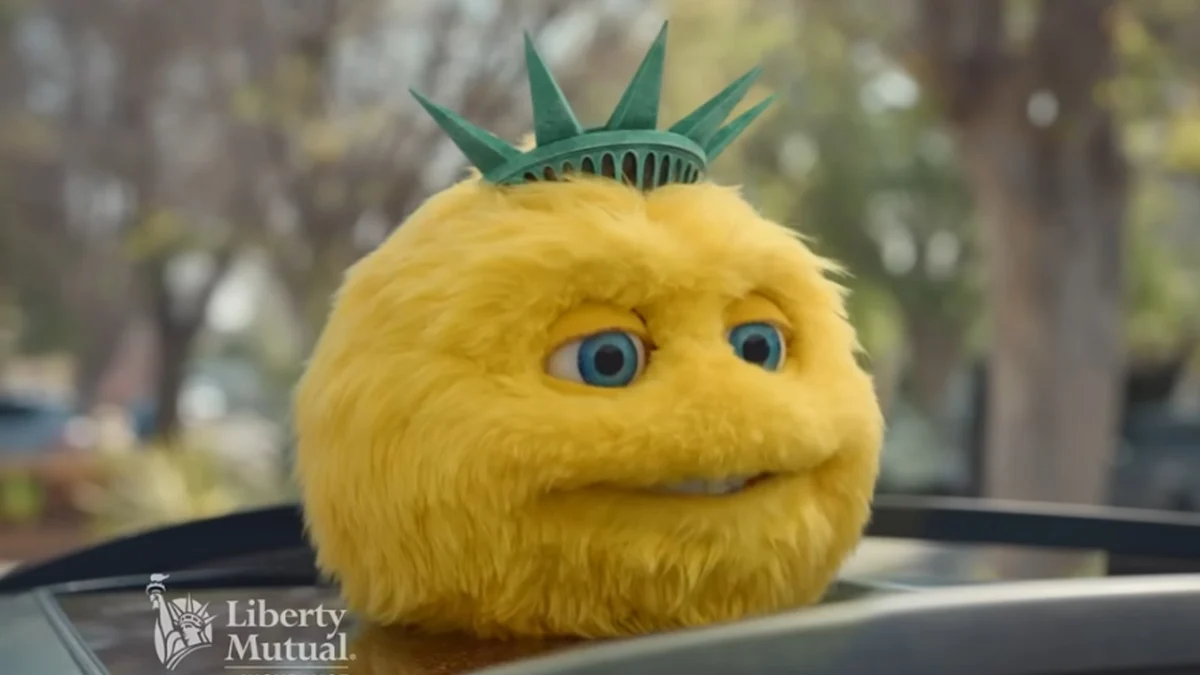
Liberty Mutual, one of the largest property and casualty insurers in the United States, faced an unprecedented wave of public scrutiny and digital satire following the July 2026 introduction of its newest mascot, "Liberty Biberty." Designed by the world-renowned Jim Henson’s Creature Shop, the character—a spherical yellow ball of fur sporting a crown reminiscent of the Statue of Liberty—was intended to modernize the brand’s long-standing advertising tradition. However, the mascot quickly became a lightning rod for criticism, culminating in a series of viral social media movements and a physical protest at the company’s corporate headquarters in Boston, Massachusetts. The phenomenon represents a significant case study in the risks of "interruption marketing" and the unpredictable nature of internet subcultures in the late 2020s.
The Genesis of Liberty Biberty: From Meta-Humor to Mascot
The name "Liberty Biberty" did not originate in a boardroom but rather from the company’s own history of self-referential advertising. In 2019, Liberty Mutual aired a popular commercial featuring an actor who repeatedly struggled to pronounce the company’s name, eventually uttering the nonsensical phrase "Liberty Biberty." The line became a minor catchphrase, and seven years later, the company decided to personify the gaffe.
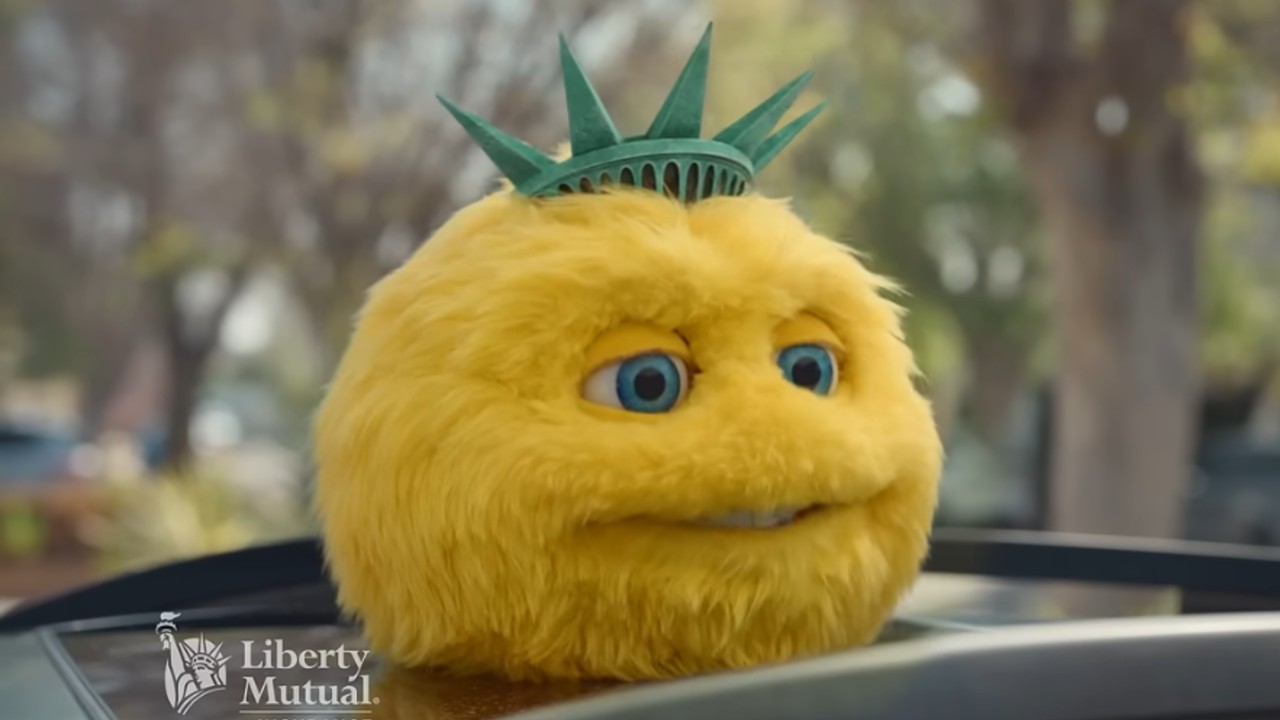
To bring this linguistic error to life, Liberty Mutual commissioned Jim Henson’s Creature Shop, the legendary studio responsible for The Muppets and Sesame Street. The resulting character was a bright yellow, fuzzy creature with large eyes and a stoic expression, wearing the iconic seven-pointed crown of the Statue of Liberty. On July 20, 2026, the company launched the character via a high-budget television spot and a simultaneous upload to its official YouTube channel. Within three months, the debut commercial garnered over 77 million views, a figure that signaled massive reach but also served as a precursor to the polarizing reception that followed.
Chronology of a Digital Backlash
The initial response to Liberty Biberty was characterized by immediate and vocal derision. While corporate mascots often face a period of adjustment from the public, the vitriol directed at the yellow mascot was notably intense. On the day of the launch, YouTube commenters labeled the design "lazy" and "uninspired," with one top-rated comment suggesting the character was the result of a "10-second deadline."
The timeline of the mascot’s decline in public favor moved rapidly through the summer and autumn of 2026:
- July 20, 2026: Official debut of Liberty Biberty. The character is introduced on YouTube and TikTok. Initial engagement metrics are high, but sentiment analysis shows a 65% negative response rate in comment sections.
- July 30, 2026: The mascot enters the "meme cycle." X (formerly Twitter) user @DrakeGatsby posts a viral critique of the mascot, expressing a hyperbolic desire to "run that little freak over." The post receives over 27,000 likes, signaling that the mascot had become a target for "anti-fan" engagement.
- August 2026: Liberty Mutual doubles down on the campaign, releasing "behind-the-scenes" footage of the mascot’s creation. This move backfires as audiences interpret the high production value as a waste of corporate resources.
- September 27, 2026: High-profile meme accounts begin using the mascot as a symbol of corporate annoyance. A GIF from the television series The Sopranos, showing characters shooting at the ground, is captioned with "Liberty Biberty" by user @BarryOnHere. The post garners 127,000 likes, cementing the mascot’s status as a cultural punching bag.
- October 9, 2026: The digital frustration transitions into the physical world. Influential YouTuber DimesAreTasty posts a call to action, announcing a formal protest against the mascot to be held at Liberty Mutual’s Boston headquarters.
The Boston Protest and the "Biberty No Mercy" Movement
On October 25, 2026, the situation escalated from online satire to a localized public demonstration. Dozens of protesters gathered in Boston, carrying signs that ranged from traditional corporate grievances to surrealist internet humor. One notable image from the event, which circulated widely on social media, showed a protester holding a sign depicting Liberty Biberty in a controversial "Fukouna Shoujo 03" device—a reference to a notorious and graphic piece of internet animation.
The protest was less about insurance policy and more about the perceived "visual pollution" of modern advertising. Attendees interviewed by local media cited the "inescapable" nature of the mascot’s advertisements and the "cynical" use of Jim Henson’s legacy to sell insurance as primary motivators for their presence. Liberty Mutual’s security teams monitored the event, but no arrests were reported. The event, however, generated a second wave of viral content, with the hashtag #NoMercyForBiberty trending briefly on X and TikTok.
Marketing Analysis: The "Annoyance Factor" as Strategy
Marketing experts have long debated the efficacy of "annoying" mascots. Characters like the Aflac Duck, the Geico Gecko, and Liberty Mutual’s own LiMu Emu were designed to be distinctive and, at times, repetitive to ensure brand recall. Liberty Biberty, however, appears to have crossed a threshold into what psychologists call "ad fatigue."
According to consumer sentiment data from late 2026, Liberty Biberty’s "likability" rating was among the lowest for any mascot in the insurance sector, sitting at 14%. In contrast, its "recognition" rating was nearly 82%. This disparity suggests that while the mascot was successful in making the brand memorable, it may have done so at the cost of brand affinity. Some analysts argue that the backlash was an intentional "rage-bait" strategy—a marketing tactic where a company deliberately creates polarizing content to spark conversation and maximize algorithmic reach.
"In the current attention economy, being hated is often more profitable than being ignored," says Dr. Elena Vance, a senior marketing consultant. "Liberty Mutual likely anticipated a certain level of friction. What they perhaps did not anticipate was the speed at which the internet would weaponize the character against the brand."
The Digital Artifacts: TikTok and the "Secret Documents"
By late October 2026, the mascot had become the subject of "analog horror" and "conspiracy" style memes. On October 29, TikTok creator @isaaclele3 published a video claiming to have uncovered "secret documents" on the Liberty Mutual website regarding the mascot’s "true origins." The video, which utilized a dark, investigative aesthetic, gained over 335,000 views in 24 hours.
This type of engagement highlights a shift in how Gen Z and Alpha consumers interact with corporate entities. Rather than ignoring advertisements, these demographics often "remix" them into new, often darker narratives. This "participatory backlash" creates a self-sustaining cycle of visibility for the brand, even if that visibility is rooted in mockery.
Corporate Response and Future Implications
As of November 2026, Liberty Mutual has not officially commented on the Boston protest or the specific memes targeting the mascot. However, the company’s social media strategy has shifted slightly, with fewer direct posts featuring the character and a return to more traditional testimonial-style advertisements in certain markets.
The saga of Liberty Biberty serves as a cautionary tale for legacy brands attempting to leverage internet culture. While the character utilized the prestige of Jim Henson’s Creature Shop and the nostalgia of a previous viral moment, the execution failed to resonate with a public increasingly weary of corporate "quirkiness."
The long-term impact on Liberty Mutual’s market share remains to be seen. While the "Liberty Biberty" campaign resulted in a massive spike in search interest, the correlation between mascot-related "hate-watching" and actual policy acquisition is historically weak. For now, the yellow, crowned furball remains a fixture of American television—a symbol of the fine line between a successful marketing icon and a digital pariah. Whether the mascot will be quietly retired or undergo a "redemption arc" in the 2027 Super Bowl remains a subject of intense speculation among industry observers.

