

The e-commerce sector is experiencing a wave of innovation, with a significant influx of new services and strategic alliances aimed at empowering merchants, enhancing customer experiences, and streamlining operations. This week’s roundup highlights critical developments across product photography, lead generation, seller assistance, retail media, shipping logistics, cross-border commerce, cryptocurrency integration, and the pervasive influence of artificial intelligence. These advancements signal a dynamic shift towards more intelligent, personalized, and efficient e-commerce ecosystems.
Cross-Border Expansion and Logistics: DHL Group and JD.com Forge Key Alliance
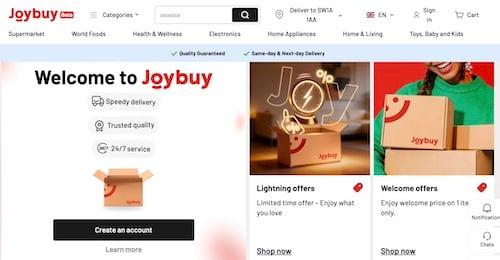
In a significant move to bolster international trade for German brands, DHL Group has announced a strategic memorandum of understanding with JD.com, China’s largest online retailer. This partnership is designed to accelerate the growth of German businesses in both the vast Chinese market and across European territories. Leveraging JD.com’s extensive retail platform, Joybuy, German brands will gain enhanced access to a consumer base exceeding 700 million individuals in China. Furthermore, the collaboration will utilize JD.com’s sophisticated logistics arm, Jingdong Logistics, to facilitate direct-to-consumer sales, simplifying the complexities of cross-border e-commerce for participating German companies. This alliance addresses a long-standing challenge for businesses looking to tap into the lucrative Chinese market, offering a streamlined path through a trusted and dominant local player.

The implications of this partnership are far-reaching. For German manufacturers and brands, it represents a substantial opportunity to expand their global footprint with reduced barriers to entry. The integration with Jingdong Logistics promises efficient delivery and customer service, crucial elements for success in the highly competitive Chinese e-commerce landscape. For JD.com, the partnership reinforces its commitment to offering a diverse range of high-quality international products to its customer base, solidifying its position as a leading global e-commerce destination. This initiative underscores the growing trend of strategic collaborations between logistics giants and major e-commerce platforms to create more cohesive and efficient global supply chains.
AI-Powered Seller Assistants and Discovery Tools Emerge
Artificial intelligence continues to be a driving force in reshaping the e-commerce seller experience. Amazon has unveiled an innovative AI-powered "canvas" within its Seller Central platform, designed to provide sellers with personalized, real-time visual workspaces. This new feature, powered by Amazon Bedrock and leveraging technologies like Amazon Nova and Anthropic’s Claude, allows sellers to interact with an AI assistant, either by posing their own queries or selecting from suggested prompts. The assistant then dynamically assembles a tailored canvas populated with relevant data, actionable insights, and suggested next steps, aiming to simplify the complex management of online sales. This development marks a significant step towards more intuitive and proactive seller support, moving beyond static dashboards to adaptive, intelligent interfaces.
Complementing this focus on AI-driven seller empowerment, VisibleFirst has launched a free WordPress plugin specifically designed to enhance business discoverability by AI-powered search platforms. This tool aims to ensure that businesses are readily found by emerging AI search engines such as ChatGPT, Claude, and Gemini. The plugin includes a complimentary "Visibility Score" that assesses a business’s current standing with these AI platforms, offering actionable insights for improvement. The availability of this plugin on WordPress.org democratizes access to AI optimization, enabling even small businesses to improve their online visibility in an increasingly AI-centric digital landscape. The growing reliance on AI for information retrieval necessitates such tools, ensuring that businesses can adapt to new search paradigms and reach their target audiences effectively.
Logistics and Shipping Innovations: Veho Expands and Ordoro Partners for Smarter Strategies
The efficiency and speed of shipping remain paramount for e-commerce success, and Veho is making significant strides in this area. The e-commerce delivery provider has announced a substantial expansion of its network, now serving 66 markets across the United States. This expansion includes the establishment of two new regional hubs in Phoenix and Ontario, California, strategically located to optimize transit times. These hubs, spanning over 150,000 square feet, are situated near major air, rail, and port terminals, including those in Los Angeles and Long Beach. Veho’s enhanced infrastructure now enables next-day delivery for a significant portion of the Southwest region and offers coast-to-coast delivery within two days via air or four days via ground. This expansion is critical for e-commerce brands seeking to meet growing consumer expectations for rapid delivery.
In parallel, Ordoro, a provider of multichannel e-commerce operations software, has partnered with ShipperHQ, a shipping rate optimization platform. This collaboration focuses on educating merchants about more effective shipping and fulfillment strategies, rather than a direct product integration. Through joint content creation and co-marketing initiatives, both companies aim to address common pain points faced by e-commerce businesses. The partnership will highlight best practices for optimizing shipping strategies, ensuring a seamless connection between the customer’s checkout experience and the operational backend. This educational approach is vital in an industry where shipping costs and delivery times can significantly impact customer satisfaction and profitability.
Retail Media and Customer Engagement: Kevel and Klaviyo Leverage Data and AI
The retail media landscape is evolving rapidly, with new tools emerging to enable more sophisticated advertising strategies. Kevel, a specialist in retail media technology, has launched a native integration with Adobe Experience Platform. This integration allows retailers, marketplaces, and commerce media platforms to activate their first-party audience data in real-time for retail media campaigns. By connecting with Adobe Experience Platform, Kevel’s Retail Media Cloud can now ensure that crucial customer insights are leveraged at the precise moment an ad decision is made, enhancing campaign relevance and effectiveness. This real-time activation is a game-changer for brands seeking to deliver highly targeted advertising and improve return on ad spend.

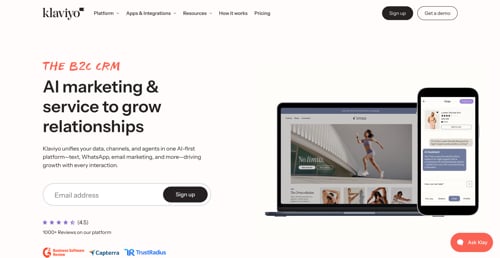
Meanwhile, Klaviyo, a customer data platform, has announced a strategic partnership with Google aimed at powering autonomous, AI-driven customer experiences. This collaboration merges Google’s extensive capabilities in search, advertising, AI, and messaging with Klaviyo’s expertise in real-time customer data management and decisioning. The goal is to enable brands to transition from static marketing campaigns to dynamic experiences that automatically adapt to individual customer intent and behavior. By capturing customer intent signals across Google’s vast ecosystem, brands can now trigger personalized actions within Klaviyo, creating a continuous feedback loop that enriches customer profiles with every interaction. This integration promises a more intelligent and responsive approach to customer engagement, moving towards truly personalized journeys at scale.
AI and Cloud Infrastructure: OpenAI, Amazon, and Yottaa Advance Capabilities
The strategic partnership between OpenAI and Amazon Web Services (AWS) represents a monumental leap in the advancement of generative AI. The collaboration will establish an environment where AWS customers can leverage OpenAI models to build, deploy, and manage generative AI applications and agents. Furthermore, Amazon plans to invest $50 billion in OpenAI, signaling a deep commitment to the future of AI development. This partnership is expected to drive innovation across a wide range of industries, with Amazon also intending to utilize OpenAI’s models to enhance its own customer-facing applications. The sheer scale of this investment and collaboration underscores the transformative potential of AI and its central role in the future of technology.
In a related development, Yottaa, a platform focused on improving website download speeds, has enhanced its Web Performance Cloud. The update incorporates Hybrid Real User Monitoring (RUM) to provide deeper insights into website performance, particularly concerning Core Web Vitals and third-party application diagnostics. This allows e-commerce and marketing teams to better understand complex performance data and take informed actions. Yottaa has also integrated generative AI into its automated performance assistant, YoBot, further streamlining the process of optimizing web performance. In an era where website speed directly impacts user experience and conversion rates, these enhancements are crucial for online businesses.
E-commerce Operations and Payment Innovations: Instant, Infobip, LeadQuizzes, and 2328.io
The operational backbone of e-commerce is also seeing significant innovation. Instant, an app for building Shopify stores, has launched "Studio," a new tool designed to generate e-commerce product photography, lifestyle images, and reusable AI avatars. Studio’s AI-powered product shots offer customizable angles and backgrounds, while lifestyle images provide contextual scenes featuring adjustable AI avatars. This capability allows merchants to create professional-looking visuals efficiently, overcoming common challenges and costs associated with traditional product photography. The ability to generate diverse visual assets from a single platform streamlines content creation for online stores.
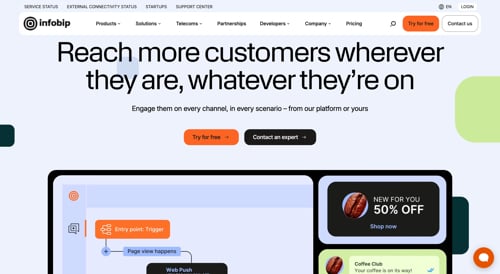
Infobip is set to launch AgentOS, a platform designed to orchestrate autonomous, AI-driven customer journeys at scale. Building on its existing AI Agents, AgentOS will combine Infobip’s Conversational Customer Data Platform with real-time journey orchestration. This enables contextual engagement across multiple integrated channels, unifying marketing, sales, and support functions to create seamless customer journeys. The platform aims to provide a holistic view of customer interactions, allowing for more personalized and efficient communication.
LeadQuizzes has relaunched its lead generation platform with a suite of new features, including an AI-powered builder for lead generation funnels and enhanced lead scoring. The platform now allows users to create quizzes from simple text prompts, with every response feeding into a real-time scoring engine that automatically qualifies, segments, and tags leads. Native integrations with popular CRM systems like HubSpot, Salesforce, and ActiveCampaign further enhance its utility for sales and marketing teams.
In the realm of digital payments, 2328.io has launched an international cryptocurrency payment infrastructure for online businesses. This platform enables businesses to accept cryptocurrency and stablecoin payments across various digital touchpoints, including websites, messaging bots, mobile applications, and point-of-sale software. The infrastructure supports both hosted checkout and API-based implementations, catering to a wide range of business needs and facilitating cross-border transactions in the growing digital asset economy.
Marketplace Dynamics: Amazon India Adjusts Fee Structure
Reflecting the evolving competitive landscape and the need to attract a broader merchant base, Amazon India has implemented a significant reduction in its seller referral fees. Effective March 16th, Amazon will eliminate referral fees for products priced under 1,000 Indian Rupees (approximately $10.90 USD). This move expands upon a previous zero-referral fee policy that covered products under 300 rupees, now encompassing over 125 million products. In addition to this, Amazon is also reducing certain shipping charges within India. This strategic adjustment aims to make the Amazon marketplace more accessible and attractive to a larger segment of sellers, particularly those dealing with lower-priced goods, thereby increasing product variety and potentially driving more sales volume. The move is seen as a direct effort to onboard more small and medium-sized businesses onto the platform, fostering wider participation and competition.

