
April 2026 presents a rich tapestry of potential themes for ecommerce content marketers, ranging from the nostalgic echoes of technology’s giants to the everyday functionality of common objects. Content marketing, a strategic approach focused on creating, publishing, and promoting valuable articles, videos, podcasts, and other media, aims to attract, engage, and ultimately retain customers. As businesses look to captivate their audiences, the upcoming month offers several distinct avenues for impactful storytelling and engagement. This article explores five key content marketing opportunities for April 2026, analyzing their historical significance, potential applications, and broader implications for brands.
Apple’s Golden Jubilee: Commemorating Half a Century of Innovation
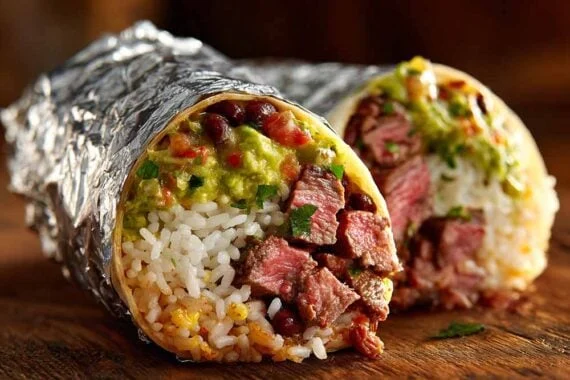
April 1, 2026, marks a monumental occasion: the 50th anniversary of Apple Computer’s founding. Established in 1976 by Steve Jobs, Steve Wozniak, and Ronald Wayne in a Los Altos, California garage, Apple has evolved from a niche personal computer manufacturer into one of the most influential and recognizable brands globally. Its impact reverberates across personal computing, mobile technology, digital media, and even broader cultural trends. By 2026, Apple’s pioneering spirit will have shaped technology for five decades, leaving an indelible mark on how individuals communicate, work, and entertain themselves.
The sheer scale of Apple’s influence means that April 2026 will undoubtedly be a period of extensive retrospective coverage from major news outlets. Expect a surge in content exploring the company’s origins, the biographies of its visionary founders, and the evolution of its iconic products. For content marketers, this presents a fertile ground for creating resonant narratives that connect with a broad audience.
Historical Context and Chronology:
- April 1, 1976: Apple Computer Company is founded.
- 1977: The Apple II is released, becoming one of the first highly successful mass-produced microcomputers.
- 1984: The Macintosh is introduced, revolutionizing personal computing with its graphical user interface.
- 1997: Steve Jobs returns to Apple, initiating a period of radical innovation and strategic repositioning.
- 2001: The iPod launches, transforming the music industry and paving the way for portable digital devices.
- 2007: The iPhone is unveiled, fundamentally changing mobile communication and ushering in the smartphone era.
- 2010: The iPad is released, creating a new category of computing devices and further solidifying Apple’s dominance in consumer electronics.
- 2026: Apple celebrates its 50th anniversary, a testament to its enduring legacy and continued impact.
Content Marketing Implications:

Businesses, particularly those in the technology, education, or design sectors, can leverage Apple’s anniversary by:
- Highlighting Innovation: Create content that explores the history of personal computing and Apple’s role in democratizing technology. This could include timelines of significant Apple products and their impact on daily life.
- Nostalgia Marketing: Tap into the nostalgia associated with early Apple products. For instance, a company selling retro tech accessories could create a campaign around the enduring appeal of classic Apple designs.
- Future of Technology: Use Apple’s journey as a springboard to discuss the future of technology, AI, and the evolving digital landscape, positioning your brand as a forward-thinking entity.
- Brand Storytelling: Analyze Apple’s brand-building strategies and how they fostered customer loyalty, offering insights relevant to other businesses seeking to build strong brand identities.
Data from Statista indicates that as of the first quarter of 2023, Apple held approximately 20.5% of the global smartphone market share, demonstrating its continued relevance. Furthermore, its ecosystem of products and services, from the App Store to Apple Music, generates billions in revenue, underscoring its pervasive influence. A content strategy that acknowledges this enduring power can resonate deeply with consumers who have grown up with or adopted Apple products.
National Burrito Day: A Culinary Celebration with Broad Appeal
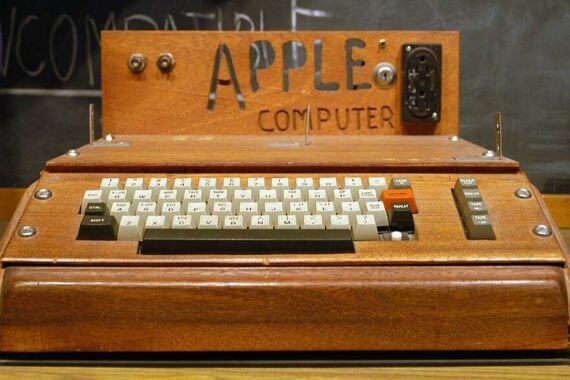
The first Thursday in April, which falls on April 2, 2026, is designated as National Burrito Day. This unofficial holiday celebrates a culinary staple that has transcended its Mexican origins to become a beloved and versatile food item enjoyed worldwide. The humble burrito, a portable and adaptable dish, offers a wealth of content possibilities for a diverse range of businesses.
The term "burrito" translates to "little donkey" in Spanish, a name that likely refers to the rolled shape resembling a donkey’s folded blanket or its association with carrying provisions. Its origins are generally traced to the northern Mexican states of Sonora or Chihuahua, where the development of large wheat flour tortillas facilitated the wrapping of fillings like beans, meat, or potatoes into a convenient, on-the-go meal for laborers.
A Timeline of the Burrito’s Evolution:
- Early 1900s: Mexican laborers bring the burrito concept to the United States.
- Circa 1930: El Cholo Spanish Café in Los Angeles is credited with being one of the first restaurants to feature the burrito on its menu.
- 1956: Duane R. Roberts invents the first commercially available frozen burrito.
- 1961: El Faro, another Los Angeles restaurant, pioneers the "mission-style" burrito, characterized by its large size and foil wrapping.
- Late 20th Century – Present: Regional variations emerge, such as the "California burrito" (often including carne asada, French fries, cheese, and guacamole) and the widespread popularity of fast-casual burrito chains.
Content Marketing Opportunities:
For ecommerce businesses, National Burrito Day provides an accessible and universally appealing theme:
- Food and Beverage Retailers: Offer promotions, recipes, or behind-the-scenes content showcasing ingredients and preparation methods. This could extend to businesses selling spices, kitchenware, or meal kits.
- Apparel and Lifestyle Brands: Connect the burrito to casual dining, outdoor activities, or cultural events. Content could feature lifestyle photography or collaborations with food influencers.
- Event and Entertainment Businesses: Promote events or themed nights centered around Mexican cuisine or cultural celebrations.
- Travel and Tourism: Highlight destinations known for their authentic Mexican food, including regional burrito specialties.
- Health and Wellness: Explore the nutritional aspects of burritos, offering healthier ingredient alternatives or portion control tips.
The global market for Mexican food is substantial. According to Grand View Research, the global Mexican food market was valued at $14.5 billion in 2022 and is projected to grow, indicating a strong consumer interest. This popularity makes National Burrito Day a relevant hook for businesses looking to engage a broad audience through relatable and enjoyable content.
Google Discover: Harnessing AI for Content Visibility
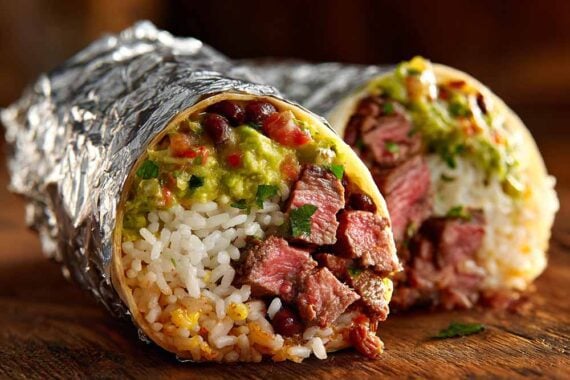
While not a calendar-specific event, the ongoing evolution and optimization of Google Discover represent a significant opportunity for ecommerce content marketers in April 2026, and indeed throughout the year. Google Discover is a unique content feed that proactively surfaces articles, videos, and other media based on a user’s interests and online behavior, rather than explicit search queries. This personalized approach makes it a powerful channel for driving traffic and engaging users who may not actively be searching for a brand’s products or services.
Discover favors content that is fresh, visually appealing, demonstrates topical authority, and garners user engagement. This necessitates a content strategy focused on creating high-quality, informative, and compelling material. For marketers, April can be an opportune time to experiment with optimizing their content for this platform, especially if they are looking to diversify their traffic sources beyond traditional search.
Understanding Google Discover:
- Algorithmic Curation: Content is pushed to users based on their Google activity, including searches, website visits, app usage, and YouTube viewing history.
- Emphasis on Visuals: High-quality images and videos are crucial for capturing attention within the Discover feed.
- Topical Authority: Demonstrating expertise and providing in-depth information on a subject can lead to greater visibility.
- User Engagement: Content that encourages interaction, such as comments and shares, is favored.
- Mobile-First Experience: Discover is primarily accessed on mobile devices, underscoring the need for responsive and mobile-optimized content.
Content Marketing Strategy for Discover:
- Data Analysis: Marketers can utilize Google Search Console to identify pages that have received traffic from Discover. Analyzing this data can reveal patterns in topics, formats, and keywords that resonate with the Discover audience.
- AI-Assisted Analysis: Tools like ChatGPT or Gemini can be employed to analyze lists of Discover-referred pages. AI can help identify common themes, linguistic styles, or subject matter that contribute to successful content. For example, an AI might identify that articles featuring "how-to" guides with strong visual components consistently perform well for a specific niche.
- Content Refresh and Creation: Based on this analysis, marketers can refresh existing evergreen content to be more visually engaging and informative, or create new content specifically tailored to the interests identified.
- Experimentation: April can serve as a testing ground for new content formats or topics that align with Discover’s preferences. This iterative approach allows for continuous improvement and adaptation.
The implication of optimizing for Google Discover is the potential to reach a highly engaged audience at a serendipitous moment. As search becomes more complex, platforms like Discover offer a valuable avenue for brands to remain visible and connect with potential customers on a more personalized level.
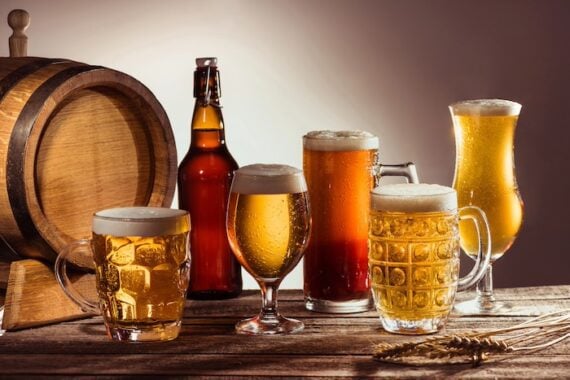
National Beer Day: A Toast to History and Commerce
April 7th marks National Beer Day, a commemoration that traces its roots back to the end of Prohibition in the United States. On this day in 1933, the Cullen-Harrison Act was signed into law, legalizing the sale of beer with an alcohol content of 3.2% by weight. This pivotal legislation not only signaled the repeal of national Prohibition but also ushered in a new era for the beverage industry and American culture.
Since its legalization, beer has evolved into one of the most popular and diverse beverages in America and globally. Beyond its sheer volume of consumption, beer represents a rich tapestry of cultural identity, regional traditions, and evolving tastes. From the crisp lagers favored by many to the complex, high-alcohol craft IPAs that have gained immense popularity, beer culture is intertwined with sports, travel, culinary arts, and various lifestyle choices. This broad cultural reach makes National Beer Day a versatile and potent theme for ecommerce content marketers.
Historical Significance of National Beer Day:
- March 22, 1933: President Franklin D. Roosevelt signs the Cullen-Harrison Act, allowing the sale of 3.2% ABV beer and wine. This was seen as a crucial first step toward full Prohibition repeal.
- April 7, 1933: The first National Beer Day is celebrated following the enactment of the Cullen-Harrison Act.
- December 5, 1933: The 21st Amendment to the U.S. Constitution is ratified, fully repealing Prohibition.
Content Marketing Angles for Beer Brands and Beyond:
The multifaceted nature of beer culture allows for creative content strategies across various industries:
- Breweries and Beverage Companies: This is an obvious fit. Content can focus on brewing processes, ingredient sourcing, tasting notes, historical brewing techniques, or regional beer styles. Promotions tied to National Beer Day can drive sales.
- Food and Restaurant Businesses: Explore beer and food pairings, recipes that incorporate beer, or the history of brewing in culinary traditions.
- Travel and Hospitality: Create content about beer tourism, brewery tours, or festivals. Highlight regions known for their craft beer scenes.
- Apparel and Lifestyle Brands: Connect beer culture with outdoor activities, social gatherings, or sports. Merchandise related to beer can be promoted.
- Home Goods and Kitchenware: Offer guides on home brewing, beer-related barware, or unique glassware that enhances the beer-drinking experience.
- Gifting Businesses: Curate gift baskets or special offers for beer enthusiasts.
The global beer market is a significant economic force. According to Statista, the global beer market generated revenues of approximately $730 billion in 2023, with projections indicating continued growth. This substantial market size underscores the broad appeal and commercial viability of content centered around beer.
National Zipper Day: Unpacking the Ingenuity of an Everyday Essential
April 29, 2026, marks National Zipper Day, a celebration of a seemingly mundane yet profoundly innovative invention that has revolutionized countless aspects of modern life. On this day in 1913, American engineer Gideon Sundback patented his "Hookless Fastener No. 2," the precursor to the modern zipper. This invention, born out of a need for a more reliable and efficient fastening system, has become an indispensable component in apparel, luggage, outdoor gear, and much more.
The zipper’s journey from a novel idea to a ubiquitous fastener is a testament to elegant engineering and practical problem-solving. While initially developed for footwear, its versatility soon became apparent, leading to its widespread adoption in clothing, bags, and equipment. The simplicity of its interlocking teeth, guided by a slider, belies its significant impact on design, manufacturing, and user convenience.
The Genesis and Evolution of the Zipper:
- 1893: Whitcomb L. Judson patents the "Clasp Locker," an early, less reliable predecessor to the zipper, initially intended for boots.
- 1913: Gideon Sundback files his patent for the "Hookless Fastener No. 2," which significantly improved upon Judson’s design by using interlocking teeth rather than hooks and eyes, and featuring a more robust construction. This is widely considered the birth of the modern zipper.
- 1923: B.F. Goodrich uses Sundback’s fastener on a new line of rubber galoshes, popularizing the term "zipper" (derived from the sound it made).
- 1930s: The zipper gains widespread acceptance in the fashion industry, appearing on dresses, trousers, and outerwear.
- Post-WWII: The zipper’s application expands dramatically into luggage, tents, sleeping bags, and various other durable goods, becoming a symbol of modern convenience.
Content Marketing Applications for National Zipper Day:
National Zipper Day offers unique content opportunities, particularly for businesses whose products feature zippers prominently or whose brands emphasize craftsmanship and durability:
- Apparel and Fashion Brands: Highlight the quality and design of zippers used in their garments. Content can focus on the evolution of fashion zippers, the materials used, or the craftsmanship involved in integrating them seamlessly into designs.
- Luggage and Bag Manufacturers: Emphasize the reliability and durability of their zippers, showcasing how they protect contents and withstand wear and tear. This could involve demonstrating zipper strength or repairability.
- Outdoor and Adventure Gear Companies: Feature zippers in the context of performance and protection. Content can explore how zippers in tents, backpacks, and sleeping bags contribute to functionality in challenging environments.
- Craft and DIY Businesses: Offer tutorials on zipper repair, zipper customization, or incorporating zippers into handmade projects. This appeals to a creative and engaged audience.
- Industrial and Manufacturing Companies: Discuss the engineering and manufacturing processes behind zippers, highlighting innovation in materials and design.
The global market for zippers is substantial, driven by the fashion, automotive, and industrial sectors. While specific figures for "zipper day" related commerce are not readily available, the continuous demand for these fasteners underscores their essential role in global manufacturing. Content that educates consumers about the innovation behind everyday items like zippers can foster appreciation for quality and design, aligning with brand values of durability and ingenuity.
In conclusion, April 2026 offers a diverse array of opportunities for ecommerce content marketers. By strategically leveraging significant anniversaries, universally popular themes, evolving digital platforms, and the ingenuity of everyday inventions, businesses can craft engaging narratives that resonate with their audiences, drive traffic, and ultimately contribute to their success. The key lies in understanding the historical context, identifying the relevant audience connections, and creatively translating these themes into valuable and shareable content.

