
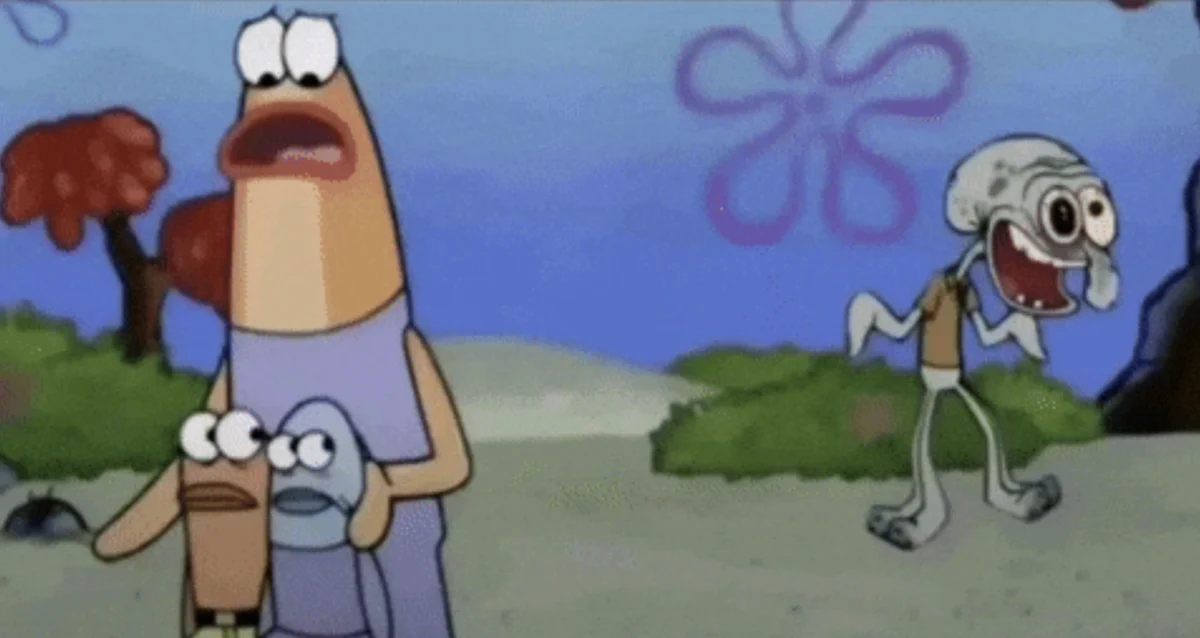
The digital landscape of the mid-2020s has been defined by a resurgence of nostalgic media repurposed for modern emotional expression, a phenomenon best exemplified by the meteoric rise of the Crazy Squidward reaction image. This visual shorthand, featuring a manic and visibly distressed Squidward Tentacles from the long-running animated series SpongeBob SquarePants, has transitioned from a niche screen capture into a universal symbol for frantic, unhinged, or overwhelmed psychological states. While the image originates from an episode aired over two decades ago, its recent dominance on platforms such as X (formerly Twitter) and TikTok highlights a significant shift in how internet subcultures utilize legacy media to articulate the complexities of modern stress and social burnout.
Historical Context and Animation Origins
To understand the cultural weight of the Crazy Squidward image, one must look back to the Golden Age of Nickelodeon animation. The image is a direct frame from the SpongeBob SquarePants episode titled "Squid’s Day Off," which serves as the second half of the 21st episode of Season 2. Originally premiering on November 2, 2000, the episode was written by Jay Lender, William Reiss, and Merriwether Williams.
The plot of "Squid’s Day Off" provides the essential psychological context for the meme. In the episode, Mr. Krabs is hospitalized after a freak accident involving a nickel, leaving Squidward in charge of the Krusty Krab. Seizing the opportunity for a day of relaxation, Squidward leaves SpongeBob in charge and heads home. However, his reprieve is quickly dismantled by a spiraling paranoia; he becomes convinced that SpongeBob will inadvertently destroy the restaurant or mismanage the cash register.
The specific visual—characterized by Squidward’s bloodshot, wide eyes, erratic pupils, and a strained, forced smile—appears during a montage of his escalating mental breakdown. As he repeatedly runs back and forth between his house and the Krusty Krab, his grip on reality fractures. This specific frame captures the exact moment of "manic exhaustion," a state that resonates deeply with contemporary audiences navigating high-pressure environments.
The Digital Chronology: From Twitter to TikTok
The journey of Crazy Squidward from a television screen to a viral digital asset followed a non-linear path common in internet archaeology. Although the episode has been a favorite among fans for years, data from reverse image searches and social media archives indicate that the image began to coalesce into a formal "reaction image" around 2020. During this period, users on X and Tumblr began employing the still to describe the chaotic energy of the global pandemic and the subsequent shift in digital social dynamics.
The meme’s trajectory saw a significant spike in mid-2024. On May 3, 2024, a TikTok user operating under the handle @mrkrabsstolemykfc uploaded a curated clip from "Squid’s Day Off." The video, which utilized the Artemas track "i like the way you kiss me" as its background audio, served as a catalyst for a new wave of engagement. The juxtaposition of the high-energy synth-pop track with Squidward’s visual breakdown created a "vibe" that captured the attention of Gen Z and Gen Alpha users, who began utilizing the image in comment sections to represent "crash-out" culture—a slang term referring to a sudden, intense emotional outburst or a loss of self-control.
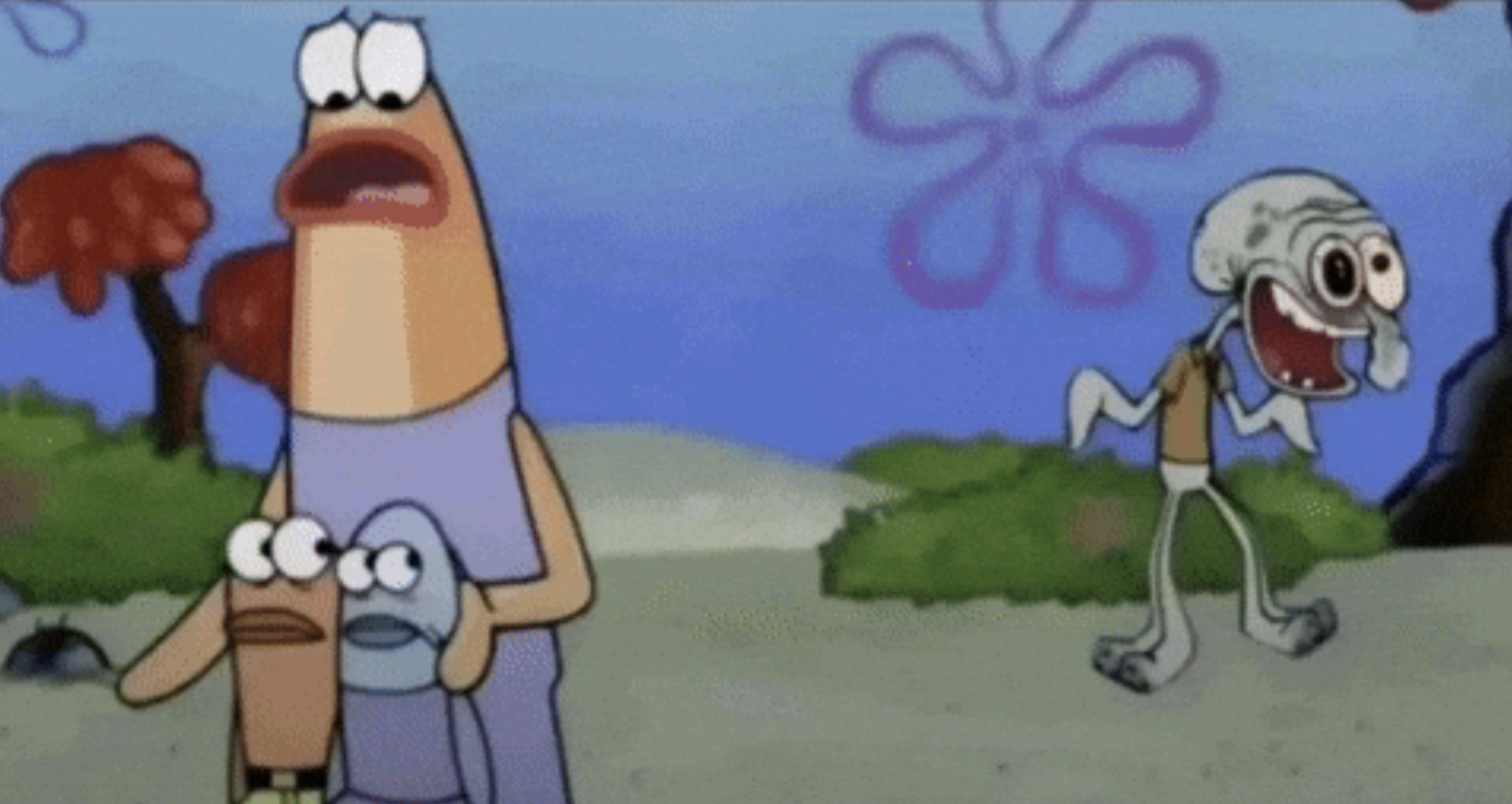
By late 2025 and the early months of 2026, Crazy Squidward had evolved beyond a simple video clip. It became a staple of TikTok’s "image comment" feature, where users reply to videos not with text, but with specific, highly recognizable pictures. This era marked the meme’s peak saturation, as various edited versions of the image—some featuring distorted filters, others placed in surrealist backgrounds—began to circulate, further cementing its status as a versatile tool for digital communication.
Analytical Perspective: The Psychology of the Manic Reaction
Sociologists and digital culture analysts suggest that the enduring popularity of images like Crazy Squidward stems from their ability to provide "hyper-legible" emotional cues. In a text-heavy digital environment, nuances such as irony, exhaustion, and hidden rage are often lost. A reaction image acts as a visual adjective, providing immediate context to the user’s sentiment.
The Crazy Squidward image, in particular, taps into the "burnout" aesthetic. Unlike other SpongeBob memes—such as "Tired SpongeBob," which represents simple physical exhaustion, or "Mocking SpongeBob," which represents derision—Crazy Squidward represents the specific moment when stress turns into mania. It is the visual representation of the "internal scream." In a professional context, users often post the image to describe the feeling of receiving a late-Friday email or navigating a complex bureaucratic system. In a social context, it is used to describe the overwhelming nature of "doomscrolling" or the sensory overload of modern social media.
Furthermore, the "unhinged" nature of the image aligns with a broader trend in internet humor known as "absurdist relatability." By using an exaggerated, cartoonish figure to represent real-world anxiety, users can distance themselves from the heaviness of their emotions through humor, making the distress more manageable.
Impact on the SpongeBob SquarePants Franchise
The resurgence of Crazy Squidward also underscores the unprecedented "meme-ability" of the SpongeBob SquarePants franchise. For Paramount and Nickelodeon, these memes serve as a form of perpetual organic marketing. Despite the original episode being over two decades old, its presence in the 2026 cultural zeitgeist ensures that the intellectual property remains relevant to younger demographics who may not have been alive during the show’s initial peak.
The franchise has historically embraced this meme culture. From official merchandise featuring "Mocking SpongeBob" to social media posts from the official SpongeBob accounts that reference fan-made jokes, the creators have recognized that the "second life" of the show exists in the form of these digital artifacts. Crazy Squidward is merely the latest in a long line of frames—including "Imagination SpongeBob," "Surprised Patrick," and "Handsome Squidward"—that have entered the permanent lexicon of the internet.
Supporting Data and User Engagement
Data from social media analytics platforms during the 2025-2026 period shows a marked increase in search queries for "Squidward going crazy" and "Squidward manic face." On TikTok, the hashtag #CrazySquidward garnered millions of views within a three-month window, driven largely by "POV" (Point of View) videos. These videos typically describe a stressful scenario—such as "POV: You’ve been on hold with customer service for 45 minutes"—followed by the reveal of the Crazy Squidward image.
A breakdown of user engagement reveals that the meme is particularly popular among users aged 16 to 30, a demographic that frequently reports high levels of digital fatigue. The image’s simplicity allows it to be remixed easily; by early 2026, AI-generated variations of the image began to appear, showing Squidward in different historical settings or artistic styles (e.g., "Crazy Squidward in the style of Van Gogh"), which further extended the meme’s lifecycle.
Official Responses and Broader Implications
While Nickelodeon and the estate of the late Stephen Hillenburg (the show’s creator) rarely comment on individual memes, the broader animation industry has taken note of how specific "smear frames" and expressive character designs contribute to a show’s longevity. Animators from the early seasons of SpongeBob have often cited their focus on extreme facial expressions as a way to punch up the comedy, unaware that these artistic choices would eventually become the foundation of a new global language.
The broader implication of the Crazy Squidward phenomenon is the democratization of emotional expression. In the pre-digital era, articulating a feeling as specific as "manic paranoia induced by a perceived lack of control" would require a significant vocabulary or a lengthy explanation. Today, a single frame of a turquoise octopus from a children’s cartoon conveys that exact sentiment to millions of people instantaneously across language barriers.
Conclusion: The Future of the Manic Aesthetic
As 2026 progresses, the Crazy Squidward meme shows no signs of total obsolescence, though it may eventually settle into the "classic" tier of reaction images. Its success has paved the way for other "manic" characters to find second lives online, but few possess the perfect storm of nostalgia, expressive animation, and universal relatability found in "Squid’s Day Off."
The image stands as a testament to the power of traditional 2D animation in a digital world. Even as technology advances toward more realistic graphics and AI-generated content, the raw, hand-drawn emotion of a frustrated octopus remains the most effective way for the modern internet user to say: "I am losing my mind, and I know you are too." Through this shared visual language, Crazy Squidward provides a small but significant sense of community in an increasingly frantic digital age.

