
The Psychology and Design of Digital Streak Systems in Modern User Experience has become a cornerstone of the modern attention economy, transforming simple task management into a high-stakes psychological engagement strategy. At its core, a "streak" is defined as a series of consecutive days during which a user completes a specific activity within a software application. While the concept may appear rudimentary, its implementation has yielded transformative results for major technology firms. When the language-learning platform Duolingo introduced iOS widgets specifically designed to display a user’s current streak, the company reported a staggering 60% increase in user commitment. This shift demonstrates that streaks are not merely metrics but are sophisticated behavioral tools that align with deep-seated human instincts regarding progress, identity, and the fear of loss.
The Evolution and Definition of the Digital Streak
The transition from analog habit tracking to digital streak systems represents a significant milestone in user experience (UX) history. Historically, the "streak" concept gained mainstream popularity through the "Don’t Break the Chain" method, famously attributed to comedian Jerry Seinfeld, who used a wall calendar and a red marker to track daily joke writing. In the digital era, this has evolved into automated, data-driven systems utilized by platforms ranging from Apple Fitness and GitHub to Snapchat and Headspace.
A streak serves three primary functions in a digital ecosystem: it acts as a gamified habit-builder, a metric for consistent usage, and a psychological anchor that ties a user’s identity to the platform. By quantifying effort over time, developers transform abstract goals—such as "learning Spanish" or "getting fit"—into a tangible, fragile record of success that users feel a biological urge to protect.
The Psychological Pillars of Persistence
The efficacy of streak systems is grounded in three well-documented psychological principles: Loss Aversion, the Fogg Behavior Model, and the Zeigarnik Effect.
1. Loss Aversion and the Sunk Cost Fallacy
Loss aversion, a concept popularized by Nobel laureate Daniel Kahneman and Amos Tversky, suggests that the pain of losing something is psychologically twice as powerful as the pleasure of gaining something of equal value. In the context of a 100-day meditation streak, the user is no longer motivated solely by the benefits of mindfulness; they are motivated by the intense desire to avoid the "reset to zero."
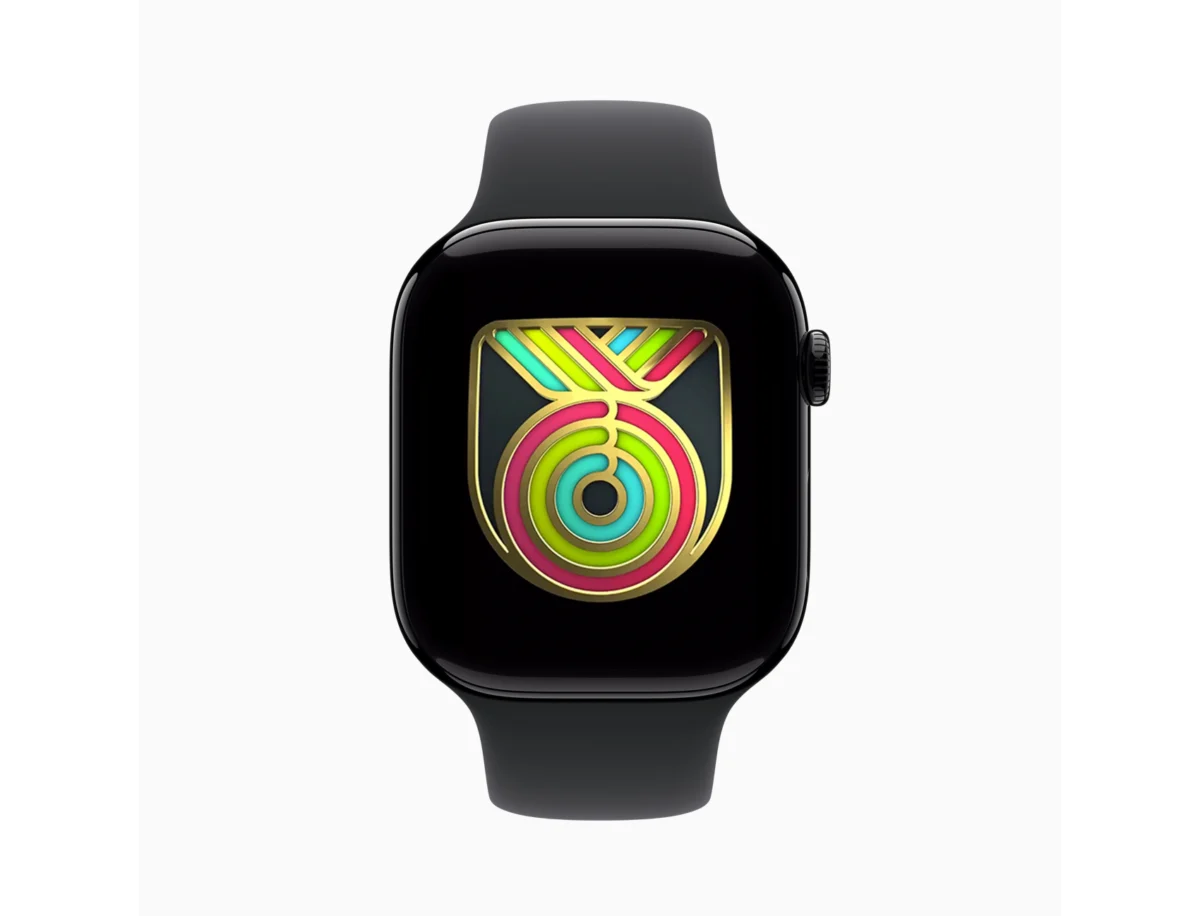
As a streak grows, it triggers the "sunk cost fallacy," where individuals continue a behavior because of the resources—time, effort, and emotional energy—already invested. A user with a 365-day streak on an Apple Watch "Move Ring" is statistically more likely to exercise during illness or extreme weather than a user on day three, simply because the perceived cost of "breaking the chain" has become immense.
2. The Fogg Behavior Model (B = MAP)
Developed by Dr. BJ Fogg at the Stanford Persuasive Technology Lab, this model posits that behavior (B) occurs when Motivation (M), Ability (A), and a Prompt (P) converge simultaneously.

- Motivation: While often high at the start of a New Year or a new project, motivation is notoriously volatile.
- Ability: Successful streak designs ensure the "barrier to entry" is low. For example, Duolingo allows a streak to be maintained with a single one-minute lesson, and Apple Fitness requires only one minute of standing per hour. By making the task "too small to fail," the system ensures the user maintains the habit even on low-motivation days.
- Prompt: Humans are naturally forgetful. Digital prompts—such as push notifications or the "red dot" notification badge—serve as the final trigger. Internal data from Duolingo’s growth engineering team revealed that adding a simple red badge to the app icon resulted in a 6% increase in daily active users (DAU).
3. The Zeigarnik Effect
Named after psychologist Bluma Zeigarnik, this principle states that people remember uncompleted or interrupted tasks better than completed ones. An active streak creates a state of "unfinished business" in the human brain. Until the daily task is checked off, the brain maintains a level of cognitive tension. This is why progress bars (like those found on Upwork or LinkedIn profiles) are so effective; they leverage the brain’s innate discomfort with incompleteness to drive action.
Chronology of Gamified Consistency
The rise of the streak system can be traced through several key industry shifts:
- 2007-2010: The early "Quantified Self" movement begins with the launch of Fitbit and early fitness trackers.
- 2012: Duolingo launches, placing the "streak" at the center of the educational experience to combat the high churn rates typical of online learning.
- 2015: Snapchat introduces "Snapstreaks," fundamentally changing how teenagers interact by making daily communication a requirement for social status.
- 2020-Present: The COVID-19 pandemic leads to a surge in wellness and productivity apps, with streaks becoming the primary retention tool for home-based fitness and mental health platforms.
The Ethical Dilemma: Habit vs. Compulsion
As streaks become more pervasive, industry analysts and mental health professionals have raised concerns regarding the "dark side" of gamification. There is a thin, often blurred line between a healthy habit and a stressful compulsion.
Habit is characterized by automaticity and positive reinforcement. A user brushes their teeth or completes a daily run because it makes them feel better.
Compulsion, conversely, is driven by anxiety. In high-pressure streak systems, users may experience "streak fatigue," where the primary motivation is the fear of failure rather than the joy of the activity. Gina Gotthilf, former VP of Growth at Duolingo, has noted that while gamification is a powerful tool for engagement, it must be balanced to ensure it doesn’t become a source of user burnout.
To mitigate these risks, ethical UX design has moved toward "Grace Mechanisms." These include "Streak Freezes"—items that can be earned or purchased to protect a streak if a day is missed—and "Rest Days." These features acknowledge that life is unpredictable, preventing the devastating psychological impact of a "hard reset" to zero, which often leads to total user churn.
Technical Implementation and Design Challenges
Building a resilient streak system requires solving complex engineering problems, particularly regarding time and data integrity.
Timezone Management
The most significant technical challenge is defining what constitutes a "day." If a user in New York travels to London, their "midnight" shifts by five hours. Implementing streaks based on UTC (Coordinated Universal Time) often leads to "unfair" resets for users in specific geographies.
- Solution: Leading developers now use local-time validation. The system must capture the user’s local timezone during onboarding and adjust the "reset window" dynamically. This ensures that a user performing an action at 11:50 PM in their current location is credited correctly.
Server-Side Validation vs. Client Trust
To prevent cheating (such as users manually changing their phone’s clock to "time travel"), all streak logic must be validated on the server. The client-side application acts merely as a display and event-submission tool. The server maintains the "Single Source of Truth," calculating the difference between the current timestamp and the last recorded activity.
Resilience and Admin Controls
Server outages or bugs can inadvertently break thousands of user streaks, leading to PR crises and mass uninstalls. Robust systems include "admin backdoors" that allow support teams to manually restore streaks for affected users. Furthermore, "grace windows" of 1-2 hours are often programmed into the backend to account for network latency or minor synchronization delays.
Broader Impact and Future Implications
The proliferation of streak systems has redefined the "Success Metric" for modern software. Companies are moving away from measuring total time spent in-app and toward "Daily Active Usage" and "Retention Intervals."
In the corporate world, GitHub’s contribution graph has turned coding into a visible, streak-based activity, influencing hiring practices and developer culture. In the fitness world, Peloton and Strava use streaks to foster community competition.
However, the future of streak design likely lies in "Intelligent Personalization." Rather than a rigid 24-hour cycle, future systems may use AI to suggest "dynamic streaks" that adjust based on a user’s biometric data (e.g., suggesting a rest day if a wearable detects high stress or low sleep).

Conclusion
Streaks are a testament to the power of behavioral psychology when integrated with intuitive design. By leveraging loss aversion, low-friction entry points, and visual feedback, developers can help users achieve remarkable long-term goals. Yet, the responsibility remains with designers to ensure these systems serve as a "nudge" toward self-improvement rather than a "shackle" of digital anxiety. As the digital landscape becomes increasingly crowded, the apps that succeed will be those that respect the user’s humanity while encouraging their consistency.

