
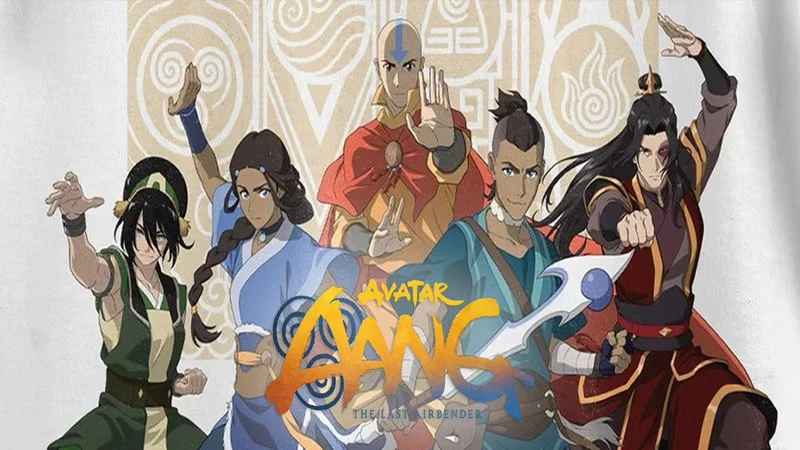
The entertainment industry faced an unprecedented security breach in mid-April 2026 when the highly anticipated animated feature, Avatar: Aang, The Last Airbender, was leaked in its entirety across multiple social media platforms. Scheduled for a global theatrical release on October 9, 2026, the film represents the flagship project of the newly formed Avatar Studios, a division of Nickelodeon and Paramount tasked with expanding the beloved "Avatar" universe. The unauthorized dissemination of the film, which occurred six months ahead of its premiere, has sent shockwaves through the industry, raising critical questions regarding digital security, the efficacy of copyright enforcement in the age of high-speed social media, and the potential economic fallout for major studio tentpoles.
The Genesis of the Leak
The incident began on April 12, 2026, when an X (formerly Twitter) user operating under the handle @ImStillDissin posted a high-definition clip featuring characters from the upcoming film. The user claimed that Nickelodeon had erroneously emailed them the entire movie file. While this claim remains unverified by Paramount or independent cybersecurity audits, the visual fidelity of the footage immediately suggested a legitimate internal source. The initial post garnered over 30 million views within 48 hours, highlighting the viral nature of the breach and the immense public appetite for the franchise.
Shortly after the first clip appeared, the same user uploaded a second segment, asserting they possessed the "WHOLE movie." Despite rapid intervention from Paramount’s legal team, which resulted in the suspension of the media via Digital Millennium Copyright Act (DMCA) strikes, the footage had already been archived and mirrored by hundreds of other accounts. This "hydra-headed" dissemination pattern proved difficult for moderators to contain as the content spread to secondary platforms, including 4chan, Telegram, and various Discord servers.
Verification and Script Leaks
As the validity of the video clips was being debated online, a secondary front of the leak opened on the /co/ (Comics & Cartoons) board of 4chan. On the same day, April 12, an anonymous user posted what appeared to be an early-stage production script for the film. Community members quickly cross-referenced the dialogue from the leaked @ImStillDissin videos with the text of the script, finding a 1:1 match.
The script leak provided further insight into the film’s plot, confirming various casting rumors and narrative directions that had been kept under strict non-disclosure agreements. Fans noted the absence of certain fan-favorite characters in specific scenes, such as Suki, which sparked intense debate within the fandom. The verification of the script added a layer of legitimacy to the leak, transforming it from a series of "marketing clips" into a verified full-scale compromise of the film’s intellectual property.
Chronology of the Crisis
The crisis escalated over a 72-hour period, moving from isolated clips to the availability of the full feature film:
- April 12, 2026: The first high-definition clips are posted to X. Rumors of a script leak on 4chan begin to circulate. Major entertainment news outlets like IGN and Polygon begin reporting on the breach.
- April 13, 2026: Public discourse shifts toward the ethics of the leak. This day also marked the 14th anniversary of the premiere of The Legend of Korra, a coincidence that fans dubbed "Korra Voodoo," referencing the historical production difficulties and leaks that plagued the franchise’s second series.
- April 14, 2026: A full, 100-minute version of the film—complete with production watermarks—is uploaded directly to X by the user @70_74_20. The post received 1.4 million views in less than five hours before being removed.
- April 15, 2026: Links to the movie hosted on external cloud services like Mega.nz and Google Drive proliferate. Paramount increases the frequency of DMCA takedowns, targeting even small accounts that share screenshots or plot summaries.
The "Korra Voodoo" and Historical Context
The timing of the leak was particularly poignant for the "Avatar" community. The April 13th anniversary of The Legend of Korra served as a reminder of the franchise’s turbulent history with Nickelodeon. During its original run, The Legend of Korra suffered from inconsistent scheduling, a sudden move from television to digital-only distribution, and its own share of leaks.
The term "Korra Voodoo" trended as fans noted the irony of the new film—meant to be a triumphant return to the big screen—suffering a similar fate of mismanagement or bad luck. This historical context fueled a more protective sentiment among a segment of the fanbase, who urged others not to watch the leaked footage out of respect for the original creators, Michael Dante DiMartino and Bryan Konietzko, and the hundreds of animators at Avatar Studios.
Industry Reaction and Creative Impact
The leak has drawn sharp criticism from industry professionals and fans alike. Many expressed concern for the animators and creative staff whose work has been compromised. Animation is a labor-intensive medium, and the leaked version of the film reportedly contained various "work-in-progress" markers, suggesting that the version seen by the public was not the final polished product intended for theaters.
Maku (@TropicalMaku), a prominent voice in the animation community, summarized the sentiment by stating that the leak was "actually so bad" for the team, expressing fear that Paramount might respond by cancelling the theatrical window entirely in favor of a direct-to-streaming release on Paramount+. Such a move would significantly impact the film’s revenue potential and the prestige associated with a major cinematic return for the franchise.
Major trade publications including Gizmodo and Polygon have analyzed the incident as a failure of modern digital infrastructure. The fact that a 3.17 GB high-definition file could be uploaded and remain accessible on a major social media platform for several hours points to a significant gap in automated content protection systems.
Economic and Strategic Implications
The economic ramifications of a full-movie leak six months before release are profound. Tentpole films rely heavily on a "hype cycle" built through teaser trailers, marketing tie-ins, and press tours. By the time October 2026 arrives, a significant portion of the core audience may have already viewed a version of the film, potentially depressing opening weekend box office numbers.
Furthermore, the leak disrupts the global distribution strategy. International markets often have staggered release dates; with a pirated version available online, the incentive for international audiences to wait for a local theatrical release is diminished. This could lead to millions of dollars in lost revenue across global territories.
From a strategic standpoint, Avatar Studios was intended to be a cornerstone of Paramount’s long-term content plan. This breach may force a re-evaluation of internal security protocols, including how files are transferred between animation houses, how "screener" copies are watermarked, and how communications with third-party vendors are handled.
Analysis of Digital Piracy in 2026
The Avatar Aang leak highlights a shift in the nature of digital piracy. Unlike the low-quality "camcorded" leaks of the early 2000s, modern leaks are often direct digital rips in high definition. The integration of long-form video capabilities on platforms like X has inadvertently created a new frontier for piracy. Where users once had to navigate "shady" torrent sites, they can now find full-length features directly in their social media feeds, pushed by algorithms that prioritize high-engagement content.
The incident also showcases the "Streisand Effect," where aggressive attempts to remove content only serve to draw more attention to its existence. Every DMCA strike against a leaker resulted in ten new "mirror" accounts, creating a cycle of visibility that Paramount’s legal team struggled to break.
Future Outlook for Avatar Studios
As of late April 2026, Paramount and Nickelodeon have not issued a formal public statement regarding the source of the leak or any changes to the film’s release schedule. However, industry insiders suggest that a rigorous internal investigation is underway to identify the point of failure in the distribution chain.
The future of Avatar: Aang, The Last Airbender now depends on the studio’s ability to pivot its marketing strategy. There is precedent for films overcoming leaks—most notably the X-Men Origins: Wolverine leak in 2009—but the scale of the "Avatar" breach is significantly larger given the interconnectedness of modern social media.
For the fans, the leak remains a divisive event. While some have succumbed to the temptation of early viewing, many others continue to advocate for a "blackout," encouraging the community to wait for the official theatrical experience. Whether the film can recover its momentum before its October release will be a major test for the resilience of the "Avatar" brand and the viability of traditional theatrical windows in an increasingly porous digital world.

