
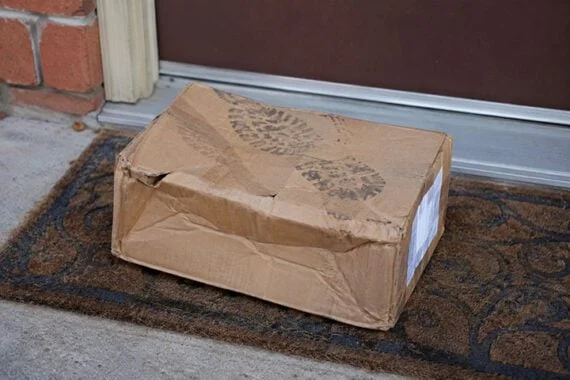
Fraudsters are leveraging the rapidly advancing capabilities of generative artificial intelligence to craft convincing fabricated evidence, including lifelike images of product damage, meticulously forged shipping records, and other manufactured proof, all designed to exploit e-commerce refund policies. This sophisticated digital deception poses a significant and escalating threat, with the potential to cost the retail industry billions of dollars annually as these synthetic claims bypass traditional fraud detection measures.
The sheer volume of merchandise returns in the United States underscores the scale of the problem. In 2025, U.S. retailers processed an estimated $849.9 billion in merchandise returns. According to a joint report by the National Retail Federation (NRF) and Happy Returns, approximately 9% of these returns were fraudulent. This figure, while substantial, is significantly dwarfed by the return rates observed in e-commerce. Online retail channels experienced a considerably higher overall return rate of 19.3%, making them a more attractive target for fraudulent activities. The burgeoning concern within the industry is that the advent of generative AI will exacerbate this already critical issue, empowering fraudsters with unprecedented tools for deception.
The Rise of Remote Evidence Fraud
Historically, online merchants have largely relied on a remote evaluation process for refund claims. This typically involves a customer service representative reviewing photographic evidence provided by the buyer, alongside their written description of the issue and delivery information, to approve or deny a refund. For less expensive items or those with a short shelf life, retailers often waive the requirement for the customer to return the product. This cost-saving measure, intended to streamline the customer experience and reduce logistical overhead, has inadvertently become a significant vulnerability. Fraudsters are keenly aware that the expense of shipping, handling, and inspecting such items can outweigh their value, making them prime candidates for fraudulent claims where the product is never actually returned.
This system inherently operates on a fundamental assumption: that the photographic evidence and accompanying narrative provided by the customer accurately reflect the real condition of the product and the circumstances of its delivery. Generative AI, however, directly undermines this foundational trust. Sophisticated AI algorithms can now produce highly plausible, photorealistic images depicting product damage or other issues that are virtually indistinguishable from genuine photographs to the untrained eye, and even to many automated detection systems. This capability allows fraudsters to create a convincing facade of legitimacy for their claims, circumventing the need for actual product defects or damage.
Early indicators of this emerging threat are already being reported. A recent article in Modern Retail highlighted instances where prominent retailers, including Bogg Bag and Boll & Branch, have encountered refund claims supported by evidence that was later identified as AI-generated. These cases serve as early warnings of a broader trend, suggesting that the problem is not isolated but is likely to become a widespread challenge for online retailers globally.

Crafting Synthetic Refund Claims
The impact of generative AI on refund fraud extends far beyond the creation of a single, altered product photograph. The technology’s versatility allows criminals to construct entire "synthetic claims," fabricating multiple pieces of evidence to build a comprehensive and seemingly irrefutable case for a refund. This can include:
- Photorealistic Product Damage: As previously mentioned, AI can generate convincing images of broken items, water-damaged goods, or products exhibiting wear and tear that never actually occurred. The ease with which a prompt like "a shattered glass vase on a wooden floor" can produce a realistic image underscores the low barrier to entry for this type of fraud.
- Fabricated Shipping Records and Scans: Fraudsters can create fake shipping labels, tracking updates, and delivery confirmation screenshots. This can be used to claim that an item was never delivered, was delivered to the wrong address, or was damaged in transit, even if the item was successfully delivered or never shipped at all.
- Altered Delivery Confirmation Photos: In cases where delivery confirmation photos are provided, AI can be used to superimpose images of damaged packaging or incorrect items onto these proofs of delivery, making it appear as though the carrier was responsible for the issue.
- Manufactured Customer Service Communications: AI can generate fake email correspondence or chat logs between a customer and a retailer, depicting attempts to resolve a non-existent issue or complaints that were supposedly ignored, thereby attempting to legitimize the refund request.
- Doctored Return Labels and Receipts: For claims involving returns, AI can be employed to create fake return shipping labels or receipts, indicating that a product was sent back when it was not, or that it was sent back in a damaged state.
In essence, generative AI empowers fraudsters to not only create the illusion of a product defect or damage but also to construct an entire narrative and supporting documentation that underpins their fraudulent refund request. This holistic approach to deception makes it significantly more challenging for retailers to identify and reject these claims.
The Democratization of Sophisticated Fraud
One of the most alarming aspects of AI-driven refund fraud is its accessibility. The technical expertise and specialized software previously required for sophisticated photo editing and document forgery are no longer prerequisites. Modern generative AI tools can produce highly convincing results with simple text prompts, democratizing the ability to commit complex fraud.
This dramatically lowers the barrier to entry for individuals seeking to exploit refund systems. A fraudster can now generate multiple versions of a damaged product image, craft a plausible explanation for the damage, and repeat this process across numerous accounts or even different e-commerce platforms with minimal effort and cost. Each fraudulent claim becomes a low-risk, low-investment endeavor, especially when combined with the practice of not requiring returns for certain items.
This represents a new paradigm of scalable deception, spanning every stage of the e-commerce transaction: the initial purchase, the dispute over the product’s condition, the logistics of shipping and delivery, and the customer service interactions. The efficiency and cost-effectiveness of this method make it an increasingly attractive avenue for criminal activity.
While comprehensive data on the extent of AI-assisted refund fraud specifically in the United States remains limited, academic research is beginning to shed light on the issue. A June 2026 academic study, available in PDF format, has addressed the prevalence of this problem within China, providing an early glimpse into the global reach and impact of this evolving threat. This study, along with anecdotal reports from retailers, suggests that the United States is not immune and is likely facing a similar surge.

Retailers’ Countermeasures and Their Limitations
E-commerce businesses are not entirely without defenses against this wave of AI-powered fraud, but the countermeasures themselves come with their own set of challenges and costs. Retailers can employ several strategies to detect fabricated evidence:
- Metadata Analysis: Examining image metadata can reveal inconsistencies in creation dates, software used, and geographical data, which may indicate manipulation. However, AI tools are becoming increasingly adept at stripping or falsifying this metadata.
- Compression Pattern Analysis: Sophisticated analysis of image compression patterns can sometimes reveal signs of digital alteration. This requires specialized tools and expertise, and fraudsters are constantly evolving their methods to bypass these detection techniques.
- Lighting and Shadow Consistency: Inconsistencies in lighting and shadows within an image can be telltale signs of digital compositing. However, advanced AI image generators are capable of creating highly realistic and consistent lighting scenarios.
- Reverse Image Searches: Utilizing reverse image search engines can help identify if the same image has been used across multiple claims or in other contexts online, potentially exposing reused fraudulent evidence.
- Account History Analysis: Monitoring customer account histories for patterns of suspicious behavior, such as repeated damage complaints or unusually high return rates, can help flag potential fraudsters. This requires robust customer data management and analytical capabilities.
Beyond image analysis, retailers are also exploring other technological and procedural responses:
- AI-Powered Fraud Detection Platforms: Implementing specialized AI platforms designed to detect anomalies in transaction data, customer behavior, and submitted evidence. These platforms can learn and adapt to new fraud patterns.
- Video Evidence Requirements: For high-value items or in cases of repeated suspicious activity, retailers might request video evidence of the product’s condition or the unboxing process. This adds a significant hurdle for fraudsters.
- Third-Party Verification Services: Engaging third-party services that specialize in verifying the authenticity of evidence submitted for refund claims.
- Stricter Return Policies: While potentially deterring fraud, implementing more stringent return policies can lead to increased customer dissatisfaction and higher operational costs associated with processing returns.
However, these measures are not without their limitations. Detection tools, while increasingly sophisticated, can still produce false positives, incorrectly flagging legitimate claims. As AI image generators improve, the efficacy of current detection methods may diminish. Furthermore, implementing and maintaining these fraud prevention strategies incurs significant costs. A fraudster can generate a convincing fake in minutes, while a retailer may need to deploy customer service staff, consult warehouse records, verify carrier data, and potentially engage in a formal appeal process to challenge a single claim.
The economic calculus of fraud prevention is critical. A policy that prevents $30,000 in fraud but costs $100,000 to implement and manage is ultimately detrimental to the business. Retailers must strike a delicate balance between robust fraud prevention and maintaining a customer-friendly, cost-effective returns process.
The Path Forward: Vigilance and Adaptation
The evolving landscape of e-commerce fraud, amplified by generative AI, demands continuous vigilance and adaptation from retailers. Understanding the nature and capabilities of these new tools is the first and most crucial step. For now, a proactive approach involving the auditing of recent refunds for potential AI-generated fakes is a practical starting point.
The industry must invest in ongoing research and development of advanced fraud detection technologies that can keep pace with the sophistication of AI. Collaboration between retailers, technology providers, and law enforcement agencies will be essential to share intelligence and develop unified strategies to combat this growing threat. As AI continues to evolve, so too must the methods used to protect the integrity of e-commerce transactions and ensure a fair marketplace for both businesses and legitimate consumers. The arms race between fraudsters and fraud-prevention specialists has entered a new, AI-powered phase, and the retail sector must adapt quickly to stay ahead.

