
India’s burgeoning e-commerce landscape presents a unique duality for foreign sellers: immense untapped potential coupled with a complex regulatory environment designed to foster domestic digital inclusion. While the nation now boasts the world’s largest population, its e-commerce penetration remains nascent compared to established markets like China and the United States. This demographic reality, underscored by a youthful population under 25 and a staggering 840 million smartphone users, signals an impending e-commerce boom. However, the Indian government faces the delicate task of propelling digital transformation while safeguarding the millions of small, traditional retailers, known as kiranas, which collectively account for a formidable 75% of national consumer goods sales.
This balancing act has spurred two significant governmental initiatives. The first, the ubiquitously popular Unified Payments Interface (UPI), a government-backed peer-to-peer digital payment infrastructure, has revolutionized financial transactions. The second, the Open Network for Digital Commerce (ONDC), launched in 2021, aims to democratize online selling by enabling kirana merchants and other small businesses to establish a digital presence.
The Genesis and Vision of ONDC
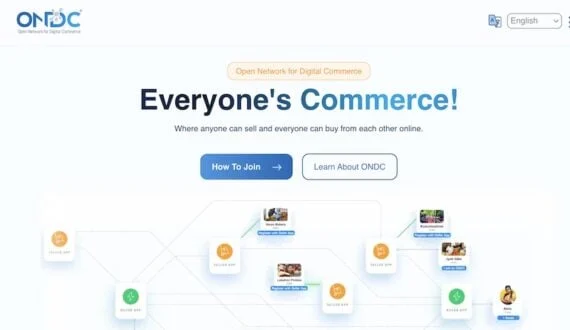
ONDC operates as an open-source commerce framework, a departure from the closed-door ecosystems of dominant marketplaces like Amazon India and Flipkart. Instead of a centralized platform, ONDC interconnects various applications, payment providers, and logistics companies through open standards and universally applicable rules. This decentralized approach is specifically designed to empower kirana owners and independent merchants, freeing them from the confines of a single marketplace and allowing them to participate in online commerce on their own terms.
The initiative, though not yet as pervasive as UPI, has garnered significant traction across India. Beyond supporting small and medium-sized businesses (SMBs), ONDC is increasingly being adopted by local brands as an additive distribution channel rather than a complete replacement for their existing marketplace strategies. Crucially for foreign entities, ONDC also offers a pathway for companies that comply with India’s regulatory framework to access its seller app ecosystem.
Navigating the ONDC Ecosystem: Seller and Buyer Applications
The ONDC network is structured with distinct applications for sellers and buyers. Seller applications serve as the primary interface for merchants, enabling them to list their products, manage inventory levels, and process order fulfillment. Prominent seller applications currently available include Mystore, CostBo, and GoFrugal, each offering a suite of tools to facilitate online operations.
On the buyer’s side, dedicated applications allow consumers to browse products and complete purchases. Popular buyer applications include Paytm, Bajaj Finserve, and Magicpin. A key advantage of ONDC lies in its cost structure. Selling fees on the platform typically range from 3% to 10%, a significant reduction compared to the 18% to 40% commissions often charged by traditional marketplaces. Furthermore, ONDC emphasizes seller autonomy through its transparent algorithm, non-discriminatory product sorting, and portable customer ratings, allowing sellers to maintain greater control over their brand presence and customer engagement strategies.
The interoperability of the ONDC network is a defining characteristic. Once a brand registers with a seller app, its products become visible across other connected applications. Similarly, shoppers using one buyer app can seamlessly purchase goods listed on a different buyer app within the ONDC network, fostering a more fluid and integrated online shopping experience.
Broadening Reach: Categories and Global Brands
ONDC’s network is designed to accommodate a diverse range of categories, encompassing retailers, logistics service providers, restaurants, and hotels. While grocery, food delivery, and home and kitchen items are currently experiencing faster growth due to higher order frequencies, categories such as fashion, pharmaceuticals, and hospitality are also expanding their presence on the platform.
The ONDC network has already attracted a significant number of global brands, including industry giants like Red Bull, Unilever, Nestle, PepsiCo, Procter & Gamble, L’Oréal, and Johnson & Johnson. Many international food brands that are active on India’s quick commerce platforms, such as Blinkit, Swiggy Instamart, and Zepto, are leveraging ONDC to access the market at a minimal cost.
Regulatory Landscape and Foreign Seller Pathways
For foreign brands contemplating entry into the Indian e-commerce market, a thorough understanding of the existing regulatory challenges is paramount. These challenges are multifaceted, influencing how companies can establish their presence and reach consumers. Previously, foreign sellers had limited options, primarily confined to marketplaces, engaging with distributors, establishing direct-to-consumer (D2C) websites, or utilizing cross-border e-commerce models. Each of these pathways comes with its own set of compliance requirements and operational considerations.
The Indian government’s approach to e-commerce regulation has evolved over time, often influenced by a desire to protect domestic businesses and ensure fair competition. Early policies focused on limiting foreign direct investment in inventory-based e-commerce models, pushing international players towards marketplace models where they act as intermediaries for third-party sellers. This stance has, in part, fueled the growth of domestic e-commerce giants.
However, the advent of ONDC represents a significant policy shift. By creating an open and interoperable network, the government aims to level the playing field. Foreign companies that are willing to navigate the specific requirements of operating within India’s digital economy, including adherence to data localization norms, consumer protection laws, and tax regulations, can find ONDC a viable and cost-effective avenue. The platform’s architecture allows for integration with existing systems and supply chains, provided that foreign sellers comply with the underlying protocols and regulations.
Data and Projections: The Scale of Opportunity
The sheer scale of India’s consumer base and the nascent stage of its e-commerce adoption present a compelling narrative for growth. Projections from various market research firms consistently point towards a substantial expansion of India’s digital commerce market in the coming years.
For instance, reports from Statista indicate that India’s e-commerce market is expected to reach hundreds of billions of dollars in the next decade. This growth is fueled by several interconnected factors: increasing internet penetration, a rising middle class with growing disposable incomes, and a shift in consumer preferences towards online shopping, particularly in urban and semi-urban areas.
The demographic dividend, with a large youth population actively embracing digital technologies, further amplifies this potential. This younger demographic is more inclined to experiment with new platforms and services, making them early adopters of innovations like ONDC. The increasing adoption of smartphones, coupled with more affordable data plans, has democratized access to the internet, bringing a vast swathe of the population online for the first time.
Broader Implications and Future Outlook
The implications of ONDC extend beyond mere e-commerce transactions. It represents a broader vision for India’s digital economy, aiming to foster innovation, competition, and inclusivity. By breaking down the dominance of a few large marketplaces, ONDC has the potential to:
- Boost Small Business Competitiveness: Empowering kirana stores and small businesses with digital tools can help them compete more effectively with larger retailers and e-commerce giants, both online and offline. This can lead to increased revenue, job creation, and economic development at the grassroots level.
- Enhance Consumer Choice and Affordability: By increasing the number of sellers and providing a more competitive landscape, ONDC can offer consumers a wider array of products at potentially lower prices. The lower commission structure on ONDC could also translate into savings for consumers.
- Drive Innovation in Digital Services: The open nature of ONDC encourages the development of innovative seller and buyer applications, payment solutions, and logistics services. This can lead to a more dynamic and responsive digital ecosystem.
- Reduce Dependence on Global Platforms: By fostering a robust domestic digital commerce infrastructure, India can reduce its reliance on foreign-owned e-commerce platforms, thereby strengthening its digital sovereignty.
The success of ONDC will ultimately depend on sustained government support, continued adoption by businesses and consumers, and the ability of the platform to adapt to the evolving needs of the market. As India continues its digital transformation journey, ONDC stands as a crucial initiative, promising to reshape the nation’s e-commerce landscape and offer new avenues for both domestic and international players to thrive. The coming years will be critical in observing how this ambitious network unfolds and its impact on India’s position in the global digital economy.

