
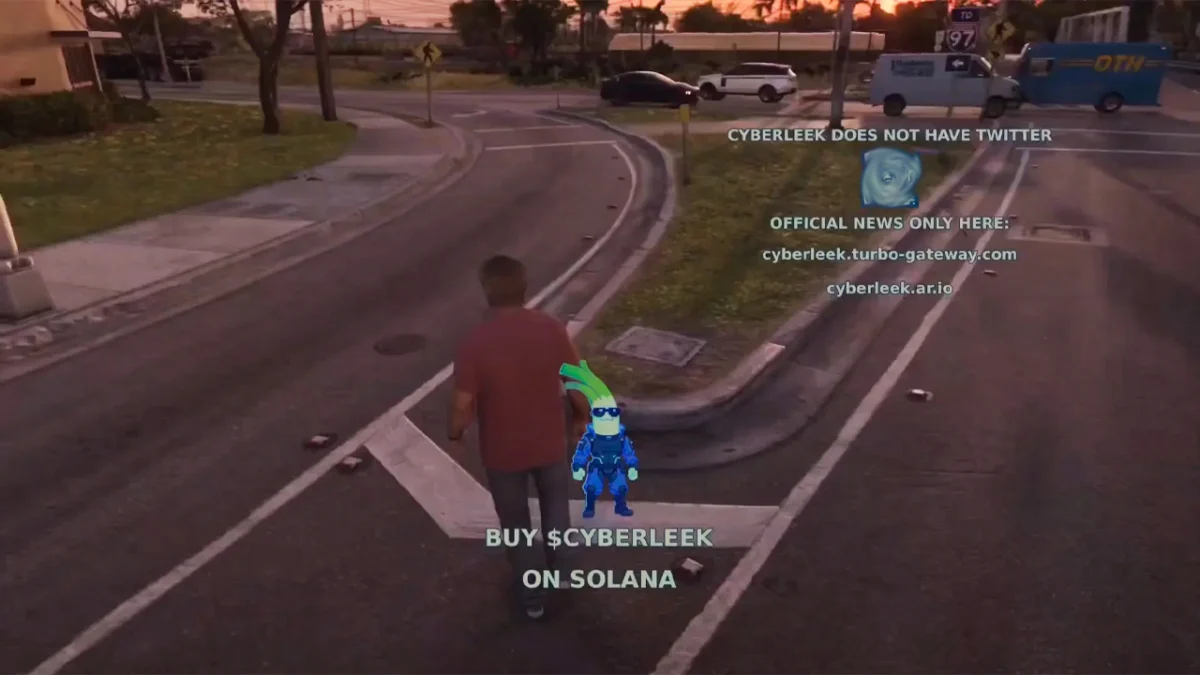
The global gaming industry faced a seismic disruption in mid-August 2026 as a series of unauthorized disclosures, collectively known as the August 2026 GTA 6 Leaks, compromised proprietary assets from Rockstar Games’ highly anticipated title, Grand Theft Auto VI. Orchestrated by a decentralized hacking collective identifying as "CyberLeek," the breach resulted in the dissemination of high-fidelity gameplay footage, internal development tools, and narrative-heavy cutscenes. This incident represents one of the most significant security failures in the history of interactive entertainment, surpassing the scale of the previous 2022 Grand Theft Auto VI breach and raising profound questions regarding the cybersecurity of major software publishers.
The leaks were characterized by a unique and controversial motivation: the promotion of a cryptocurrency "meme coin" and a published manifesto criticizing the industry-wide shift toward digital-only distribution. As the footage spread across platforms like X (formerly Twitter), Reddit, and Telegram, it triggered a massive wave of public discourse, ranging from technical analysis by enthusiasts to widespread condemnation from industry veterans and content creators.
Chronology of the Breach
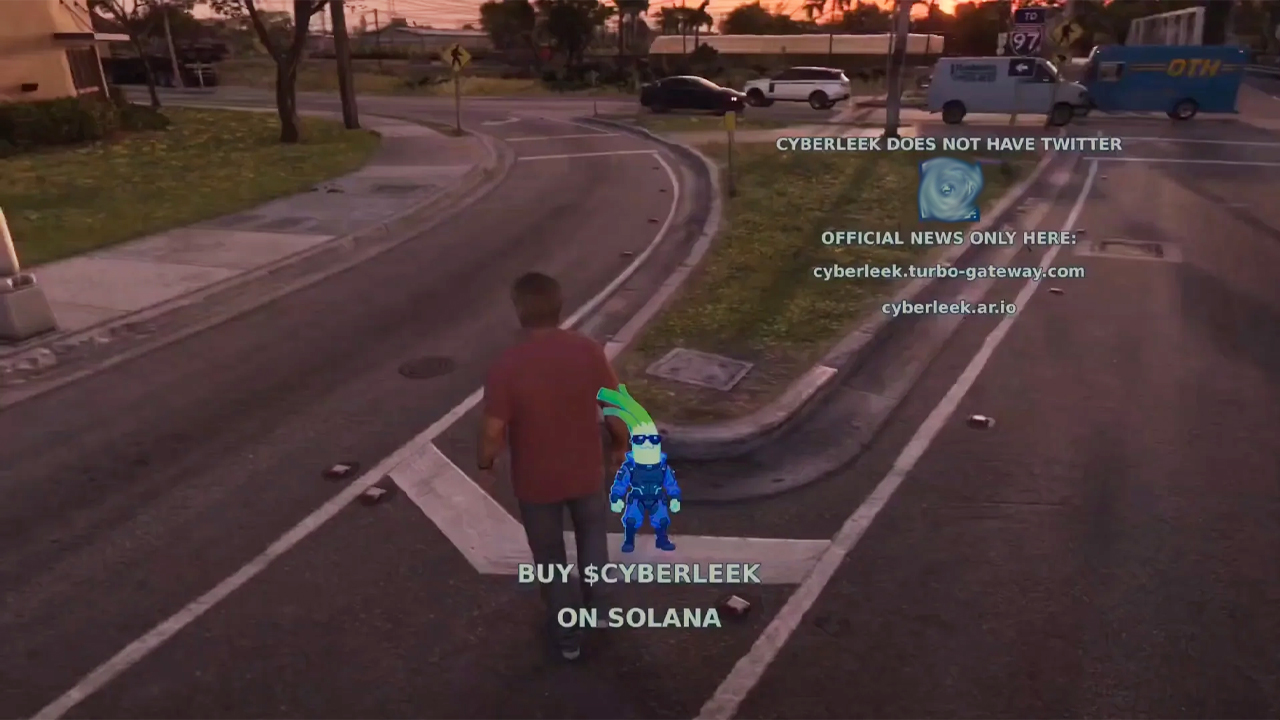
The incident began on August 18, 2026, when an anonymous entity under the CyberLeek banner began circulating three distinct files. The first was a high-definition image purportedly depicting the complete in-game map of the state of Leonida, the fictionalized version of Florida where the game is set. This was immediately followed by two gameplay clips. One video featured the protagonist, Jason Duval, engaged in a physics-heavy basketball mini-game at an outdoor court, while the second showed the character navigating a suburban environment before engaging in a violent confrontation with a non-player character (NPC).
By August 19, the situation escalated significantly. CyberLeek released a second wave of material, which included footage of the protagonist utilizing a taser in a tactical combat scenario. More damagingly, this release included several seconds of a cinematic cutscene featuring dialogue between Jason and his co-protagonist, Lucia. This shift from sandbox gameplay to narrative content heightened concerns regarding spoilers for the game’s central plot. Accompanying these videos was a text-based manifesto from the group. The document attacked Rockstar Games and its parent company, Take-Two Interactive, for their rumored decision to forego a physical disc release for the game, a move CyberLeek described as an "assault on consumer ownership."
On August 20, the group introduced an interactive element to the leak cycle. Through a poll hosted on a private Telegram channel, holders of the group’s "LEEK" cryptocurrency were allowed to vote on which segment of footage should be released next. The winning choice was a video showcasing aerial gameplay. In a move designed to prove they possessed a live, playable build of the game rather than just pre-recorded clips, the footage showed the player flying a plane and then using a firearm to shoot bullet holes into a building wall to spell the word "LEEK."
The final major release of the initial wave occurred on August 21, featuring "supercar" gameplay and high-speed chases. The footage was heavily watermarked with the phrase "HIGHER MARKET CAP = MORE LEEKS," indicating that further disclosures were contingent on the financial performance of the group’s associated digital currency.
The CyberLeek Manifesto and Financial Motivations
Unlike the 2022 leaks, which appeared to be the work of an individual seeking notoriety or a ransom, the August 2026 incident was framed as a politically and financially motivated campaign. The CyberLeek manifesto detailed a list of grievances against modern gaming practices, specifically targeting "all-digital" releases and the potential for publishers to revoke access to purchased content. The group demanded that Rockstar Games commit to a day-one physical release for Grand Theft Auto VI, threatening to release "the end-game’s final cinematic" if their demands were ignored.
However, industry analysts quickly pointed out the contradictory nature of the group’s actions. While claiming to fight for consumer rights, the group simultaneously operated a "pump and dump" cryptocurrency scheme. By gatekeeping leaks behind the value of their memecoin, CyberLeek sought to monetize the massive public interest in the game. Financial experts noted that the coin saw a 4,000% increase in trading volume within the first 48 hours of the leaks before crashing significantly as law enforcement began tracking the associated digital wallets.
Technical Analysis of the Leaked Material
The leaked footage provided the most detailed look at the game’s technical foundations to date. Technical analysts on forums such as /r/GTA6 and various Discord servers noted several key details:
- Rendering and Lighting: The footage appeared to showcase an advanced iteration of the Rockstar Advanced Game Engine (RAGE), featuring real-time global illumination and sophisticated water physics that far exceeded the capabilities of previous Rockstar titles.
- Date of the Build: A crucial piece of evidence surfaced on August 19, when a car radio in one of the clips played a song by artist Tate McRae that was released in late 2025. This confirmed that the leaked build was significantly more recent than the 2022 assets, suggesting the hackers had breached a near-current version of the development environment.
- UI and Interaction: The presence of a refined "weapon wheel" and a more contextual interaction system for NPCs suggested that the game’s user interface was nearing a finalized state.
- World Scale: Analysis of the leaked map image suggested a landmass approximately 2.5 times the size of Grand Theft Auto V’s Los Santos, including multiple major urban hubs and extensive rural areas.
Corporate and Community Response
Rockstar Games and Take-Two Interactive responded with a "scorched earth" legal strategy. Rather than issuing a public statement during the first 72 hours, the companies focused on an aggressive takedown campaign. Automated systems and legal teams worked around the clock to remove leaked footage from social media platforms. On August 21, reports surfaced that Take-Two had filed "John Doe" lawsuits in several jurisdictions, seeking to unmask the individuals behind the CyberLeek handles.
The gaming community’s reaction was polarized. While many fans were eager to see any glimpse of the game, a significant portion of the audience expressed frustration with the leakers. High-profile streamer xQc went on a viral tirade during a live broadcast, labeling the leakers as "b-tches" and arguing that such breaches destroy the "magic" of a game’s reveal and demoralize the developers who have spent years on the project.
On social media, the incident inspired a surge of memes. These included "Swole Doge vs. Cheems" comparisons between the Rockstar marketing team’s silence and the leakers’ volume, as well as "Joey’s Delayed Reaction" memes depicting fans realizing the leaks were legitimate. Despite the humor, the underlying sentiment among many enthusiasts was one of concern that the leak might lead to a further delay of the game’s official release.
Comparison to the 2022 Security Breach
The August 2026 leaks drew immediate comparisons to the September 2022 incident, in which a teenager released nearly 90 clips of early development footage. However, several factors distinguish the 2026 event as the more damaging of the two:
- Build Maturity: The 2022 leaks consisted of "grey-box" environments and debug menus, which many casual observers dismissed as looking "unfinished." The 2026 leaks, conversely, showed a nearly polished product with high-end textures and completed voice acting.
- Narrative Stakes: While the 2022 leak revealed the dual-protagonist system, the 2026 leak threatened to expose the game’s ending, posing a direct threat to the game’s commercial and critical reception.
- Methodology: The 2022 leak was a traditional data theft. The 2026 leak was an ongoing, multi-day extortion campaign involving decentralized finance (DeFi) tools, making it much harder for authorities to contain.
Industry Implications and Future Outlook
The August 2026 leaks serve as a stark reminder of the vulnerabilities inherent in modern, remote-integrated game development. As studios move toward more flexible working arrangements, the "attack surface" for hackers has expanded. Security experts suggest that this incident may force major publishers to return to "air-gapped" development environments, where game assets are kept on servers with no external internet access, potentially hindering development speed in exchange for security.
Furthermore, the CyberLeek manifesto has reignited the debate over physical media. While the group’s methods were criminal, their message resonated with a subset of gamers concerned about the digital future. This may pressure Rockstar Games and other major publishers to be more transparent about their distribution plans and digital rights management (DRM) policies.
As of late August 2026, the identity of the CyberLeek members remains unknown, though digital forensic teams have reportedly traced some of the group’s cryptocurrency activity to an exchange based in the Seychelles. Rockstar Games has yet to confirm if the leak will impact the official launch window for Grand Theft Auto VI, but the incident has undeniably altered the narrative surrounding what is expected to be the biggest entertainment launch of the decade. The industry now waits to see if the group will follow through on its final threats or if law enforcement will intervene before further damage is done.

