
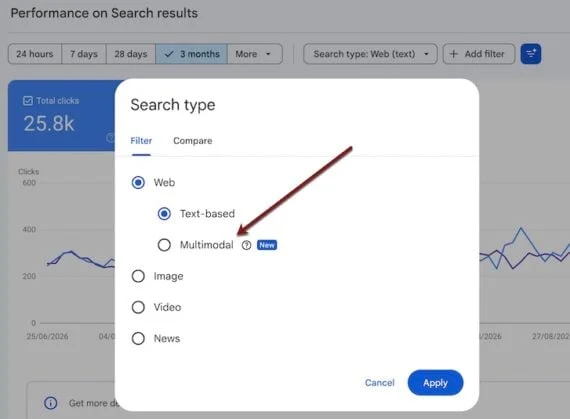
Google Search Console has introduced a significant new filter within its Performance reports, allowing website owners to specifically analyze user interactions with their content when searched via image. This update, which went live recently, provides crucial insights into how users discover and engage with web pages through visual search queries, a channel particularly vital for e-commerce merchants. The new "Multimodal" search type filter, accessible within the "Search type" dropdown under "Web," promises to unlock a previously opaque area of search traffic.
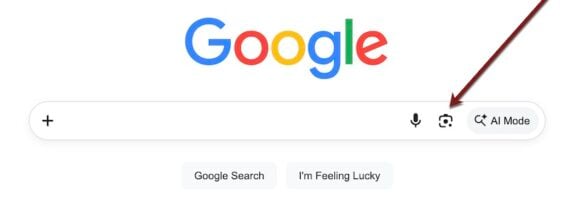
The ability to perform searches using images is not new. Google has long offered image search capabilities through various interfaces, including the traditional Google Images search engine where users can upload an image or paste an image URL, and more dynamically through Google Lens, which can analyze images captured by a smartphone camera in real-time. These functionalities have evolved considerably, with advancements in AI and machine learning enabling more sophisticated image recognition and matching. Historically, however, quantifying the performance of web pages within these visual search contexts has been challenging, often aggregated under broader "web" or "image" search categories without granular detail.
The introduction of the "Multimodal" filter in Search Console marks a turning point. It directly addresses the growing importance of visual search, especially for product discovery. For online retailers, understanding how potential customers find their products through images is paramount. Shoppers frequently use visual search to identify specific items, compare products, or find alternatives, making this a powerful, albeit previously less measurable, discovery channel. This new filter provides the data needed to optimize images and landing pages for this specific search behavior, potentially leading to increased visibility and sales.
Accessing the New Multimodal Filter
To leverage this new feature, users navigate to their Google Search Console account and follow this path: Performance > Search results. Within the "Search results" report, they will find a "Search type" dropdown menu. Clicking this menu will reveal several options, including "Web," "Image," and the newly added "Multimodal." Selecting "Multimodal" will then filter all subsequent performance data to reflect metrics specifically related to image-based searches.

It is important to note the scope and limitations of this filter. As stated in the initial announcement, this filter is dedicated to image search and does not provide textual queries, as the search is initiated by an image itself, not typed keywords. Furthermore, while the filter reveals URLs users viewed or clicked, it does not display the exact image that initiated the search or was viewed on the landing page. Despite these constraints, the data provided—such as impressions, clicks, click-through rate (CTR), and average position—offers invaluable insights into the effectiveness of a website’s presence in visual search results.
Understanding the Multimodal Search Landscape
The term "Multimodal" in this context refers to search experiences that incorporate multiple types of data, such as visual and textual information, to understand and respond to a user’s query. Image search, where a visual input triggers a search for visually similar or related content, is a prime example. Google’s ongoing investment in AI, particularly in areas like computer vision and natural language processing, has powered the evolution of these multimodal search capabilities.
The recent integration of this data into Search Console suggests a strategic move by Google to highlight the growing significance of visual search as a distinct and impactful component of its overall search ecosystem. This also aligns with broader industry trends where visual content plays an increasingly dominant role in online engagement and commerce. Reports from various digital marketing analytics firms have consistently shown a rise in the use of visual search technologies, with a growing percentage of consumers reporting using image search to find products they intend to purchase. For instance, a study by Search Engine Land indicated that a significant portion of internet users have tried visual search, and a substantial number of those have made a purchase as a result.
Strategies for Image Search Optimization
With the new data now available, e-commerce merchants and SEO professionals can proactively optimize their websites for image search. The following strategies can help improve rankings, impressions, and clicks within this evolving search landscape:
Leveraging Image Sitemaps for Enhanced Indexation
A cornerstone of improving visibility in any Google search is ensuring that Google can effectively discover and index your content. For image search, this is particularly true. Submitting an image sitemap to Google Search Console (via the Indexing > Sitemaps section) is a crucial step. An image sitemap specifically points Google’s crawlers to your product images, providing them with structured data that can significantly enhance their ability to understand and rank these visuals.
Platforms like Shopify often include images within their standard sitemaps, which is beneficial. However, for more granular control and tracking, a dedicated image-only sitemap can be advantageous. This allows for a clearer view of how your images are being indexed and can be submitted separately. For WooCommerce users, similar options are available through various plugins designed to generate specialized image sitemaps. The proactive submission of these sitemaps ensures that Google has the best possible chance of discovering and cataloging your product imagery, a fundamental requirement for appearing in visual search results.
Applying Foundational SEO Principles to Images
The principles of traditional search engine optimization remain highly relevant for image search. Images that are well-optimized for text-based search queries are also likely to perform well in visual search. This means focusing on the fundamental elements of image SEO:
- Descriptive File Names: Using clear, concise, and keyword-rich file names for your images (e.g.,
red-leather-crossbody-handbag.jpginstead ofIMG_00123.jpg) helps Google understand the subject matter of the image. - Alt Text (Alternative Text): The
altattribute is a critical accessibility feature that also serves as a strong signal to search engines. Well-written alt text should accurately describe the image content and incorporate relevant keywords. This is especially important for users who cannot see the image or are using screen readers. - Captions: While not directly part of the image file, captions placed near an image on a webpage can provide additional context to both users and search engines, further reinforcing the image’s relevance to the surrounding content.
By applying these traditional SEO practices, you are essentially building a robust foundation that benefits all forms of search, including visual search.
Prioritizing Image Quality and User Experience
The impact of image quality on click-through rates cannot be overstated. When users search for products using images, they are looking for clear, high-resolution visuals that accurately represent the item they are interested in. If the images displayed in search results are low in resolution, poorly lit, or unclear, users are less likely to click through to the product page. This often manifests as a high number of impressions but a low CTR, a pattern that the new Search Console filter will now make visible.
For e-commerce sites, especially those using platforms like Shopify, the thumbnail images displayed on collection pages can sometimes be optimized for speed rather than visual fidelity. To combat this, consider uploading higher-resolution versions of your product images. A practical test for this involves downloading a thumbnail from a collection page and then performing an image search for it on Google. Observing how this image appears in the search results can provide direct insight into potential quality issues and how they might be impacting user engagement. Enhancing the clarity, size, and overall visual appeal of your product images directly correlates with increased user interest and a higher likelihood of clicks.
Embracing Experimentation and Visual Diversity
Visual search is inherently about matching visual characteristics. While Google’s AI can identify objects regardless of angle, color, or position, the search results will often rank images that most closely match the query image in terms of these attributes. This presents an opportunity for e-commerce merchants to diversify their product imagery.
Experimenting with different types of product photos is key. This includes:
- Multiple Angles: Showing a product from various perspectives (front, back, side, top, bottom) can cater to different user search inputs.
- Close-up Details: Highlighting specific features, textures, or craftsmanship through detailed close-up shots can attract users looking for specific attributes.
- Color Variations: If a product comes in multiple colors, ensure each color variant is represented with its own optimized image.
- Contextual Shots: Showing the product in use or in a lifestyle setting can provide additional context and appeal to a broader range of search queries.
For example, if a user uploads an image of a plush toy from a specific angle, Google is likely to surface results that show similar toys from that same angle. By providing a diverse range of images, you increase the probability of matching a user’s specific visual query.
Harnessing the Power of AI for Strategic Insights
Artificial intelligence, particularly generative AI, can be a powerful tool for informing image search optimization strategies. As suggested by search optimizer Marie Haynes, prompting AI platforms can yield valuable insights that might not be immediately apparent through traditional analysis. For instance, an AI could be asked to analyze successful visual search queries related to a specific product category and identify common themes, colors, textures, or visual styles that tend to perform well.
This information can then be used to inform content creation. If AI analysis reveals that pages featuring specific product colors or textures are performing exceptionally well in visual searches, it would be logical to incorporate those elements more prominently into your product listings and marketing materials. This could involve showcasing those colors more frequently, highlighting specific material textures, or even suggesting complementary decor items that feature these successful visual attributes. The goal is to align your visual content with the patterns and preferences identified by sophisticated AI analysis, thereby improving your chances of ranking higher in visual search results.
The Broader Impact and Future of Visual Search

The introduction of the "Multimodal" filter in Google Search Console is more than just a new reporting feature; it signifies a maturation of Google’s approach to visual search and its recognition of its commercial importance. For businesses, this means a more accountable and measurable way to invest in visual content optimization.
The ability to track performance metrics for image-based discovery will likely lead to increased focus and budget allocation towards high-quality product photography, 3D modeling, and other visual content strategies. As AI continues to advance, we can anticipate even more sophisticated multimodal search capabilities, potentially blurring the lines further between visual and text-based queries. This could involve searches that understand abstract concepts or moods represented visually, leading to new forms of content discovery.
The data gleaned from this new filter will also enable a more dynamic feedback loop for website owners. By observing which images perform well and which do not, businesses can refine their visual content strategies, experiment with new photographic styles, and ultimately provide a better, more intuitive search experience for their customers. The long-term implication is a more visually rich and engaging internet, where finding products and information is increasingly driven by what users see, not just what they type. This evolution underscores the need for businesses to stay agile and adapt their digital strategies to embrace the growing power of visual search.
The new filter in Google Search Console is a critical development for anyone seeking to maximize their online visibility. By understanding and acting upon the data provided, businesses can unlock significant growth opportunities within the increasingly important realm of image-based search. The future of search is undoubtedly multimodal, and early adoption of these optimization strategies will provide a distinct competitive advantage.

