
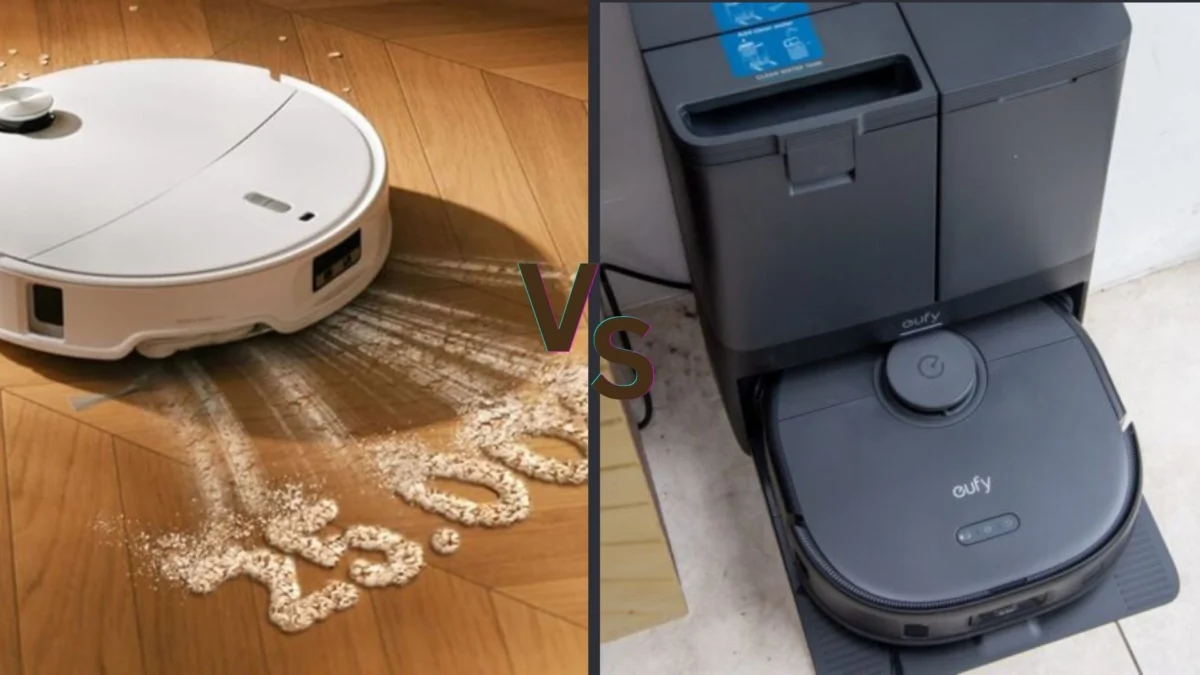
The robot vacuum market has witnessed a significant evolution, with Eufy and Roborock emerging as key players, each carving out distinct niches. Eufy has built its reputation on delivering robust feature sets at competitive price points, making advanced cleaning technology accessible to a broader consumer base. In contrast, Roborock has positioned itself as a premium brand, consistently pushing the boundaries of innovation and introducing cutting-edge functionalities that often define the industry’s future. This divergence in strategy makes a direct comparison between the two brands less about identifying a single "best" robot vacuum and more about understanding which brand’s philosophy aligns with individual consumer needs and budgets.
Both Eufy and Roborock now offer a comprehensive range of models that cater to a wide spectrum of budgets and cleaning requirements. Eufy’s lineup extends from entry-level devices to more sophisticated machines like the Omni E28, which commands a price of approximately £899/$1,199 in the UK. Roborock, on the other hand, boasts a diverse portfolio that spans from the more budget-friendly Q-series models to its high-end flagship ranges, including the Qrevo and Saros series. Recent advancements have seen both brands pack impressive features into their mid-range offerings, functionalities that were once exclusive to significantly more expensive models.
Price and Current Lineups: A Competitive Mid-Range Landscape
The competitive pricing strategy is particularly evident in the mid-range segment. Roborock’s Qrevo S Pro, for instance, is available for around £479.99/$648.19 on the company’s UK store. This model boasts a formidable 18,500Pa suction power, dual liftable spinning mops for effective scrubbing, and sophisticated features like high-temperature mop washing and warm-air drying – capabilities that significantly enhance its cleaning efficacy.
Eufy has mirrored this approach with models such as the X10 Pro Omni. This device offers 8,000Pa suction power, advanced AI obstacle avoidance, precise laser navigation, and an integrated all-in-one station. It is currently listed on Eufy’s UK store starting from £599/$799. While the suction power might appear lower on paper compared to some Roborock models, the overall feature set and performance in real-world scenarios are crucial determinants of value.
At the higher end of the market, the specifications become even more compelling. Eufy’s Omni E28 features an impressive 20,000Pa suction power and a HydroJet roller system designed for enhanced cleaning. Roborock’s Qrevo Curv 2 Flow also matches this 20,000Pa suction capability and incorporates a wide, self-cleaning roller mop. This particular model is priced at $799.99 in the US, underscoring the intense competition and feature parity emerging even at the premium tier.
The introduction of these feature-rich robots at competitive price points reflects a broader trend in the smart home appliance market. Manufacturers are increasingly leveraging economies of scale and technological advancements to democratize access to high-performance devices. This evolution benefits consumers by offering more choices and better value for their investment.
Vacuuming Performance: Raw Power Meets Sophisticated Design
When it comes to vacuuming prowess, the actual performance can vary significantly between specific models within each brand’s lineup. Roborock’s Saros 20, for example, stands out with an exceptional 36,000Pa suction power, coupled with the company’s most advanced brush designs and an ultra-slim chassis that allows it to navigate under low-lying furniture. This level of raw power and sophisticated design often gives Roborock an edge in the high-end segment.
Eufy is not far behind, with its Omni S2 model offering a substantial 30,000Pa suction power. In open spaces, it demonstrates impressive cleaning capabilities. However, it is crucial to look beyond the raw suction power (measured in Pascals, Pa) when comparing the two brands. Modern robot vacuums incorporate complex anti-tangle systems and intricate brush designs, which can lead to trade-offs, particularly on carpeted surfaces. A robot advertising higher Pa suction doesn’t automatically guarantee superior performance over a model with a lower rating. The effectiveness of debris pickup is influenced by a multitude of factors, including brush type, airflow design, and the robot’s ability to adapt to different floor surfaces.
The rapid pace of innovation means that comparing older models with newer ones can be misleading. A budget Eufy model from the current generation might outperform an older Roborock flagship in specific areas, just as a premium Roborock can excel where a comparable Eufy might falter. Therefore, detailed, model-specific reviews become indispensable for consumers seeking to make an informed decision.
The development of advanced brush technologies, such as counter-rotating brushes and silicone materials, aims to improve debris pickup on various surfaces, from hard floors to carpets. Furthermore, the integration of intelligent suction adjustment based on floor type is becoming standard, optimizing cleaning efficiency and battery life.
Mopping Performance: Evolving Technologies for Spotless Floors
Eufy has been a pioneer in introducing roller mop technology, with its newer Omni models featuring HydroJet roller-mop technology. This system continuously washes the roller as it cleans, addressing a common limitation of traditional mopping pads, which can become saturated with dirt and drag stains across the floor, requiring frequent returns to the docking station. Eufy’s roller system is particularly beneficial for households with predominantly hard flooring, where it can effectively tackle dried-on marks and everyday grime.
Roborock’s mopping systems are also highly capable, with most models utilizing traditional mopping pads. Years of development have resulted in newer Roborock machines that can effectively clean stubborn stains. The brand’s advanced models can also intelligently detect areas requiring special attention. As with vacuuming, individual reviews are vital, as performance can vary across their product range.
However, Roborock generally holds an advantage in mixed flooring environments. While both Eufy and Roborock robots can lift their mop pads or rollers when carpet is detected (typically up to 10cm), allowing them to traverse short-pile carpets, Roborock’s higher-end models, such as those in the Saros range, offer a more sophisticated solution. These premium robots can detach their mop pads entirely when vacuuming only, enabling them to navigate deeper pile carpets without risk of damage. This capability makes Roborock’s flagship models a more suitable choice for homes with complex flooring layouts.
The evolution of mopping technology has seen a shift towards more automated and effective solutions. The integration of vibrating mops, heated water systems, and advanced self-cleaning stations aims to replicate the effectiveness of manual mopping. Brands are investing heavily in research and development to address the limitations of early mopping robots, focusing on stain removal, edge cleaning, and hygiene.
Navigation and Obstacle Avoidance: Precision in a Cluttered World
Both Eufy and Roborock have embraced LiDAR-based mapping across a range of their models, providing precise room mapping and efficient navigation. In recent years, both companies have also significantly enhanced obstacle detection capabilities, incorporating camera-based AI technology.
Historically, Roborock has been lauded for its superior mapping and route planning algorithms. Their robots typically exhibit a methodical approach to cleaning, covering rooms systematically. The accompanying app offers extensive control over maps, room segmentation, and designated cleaning zones.
Eufy is rapidly closing the gap, with some of its newer robots demonstrating exceptional object avoidance. Independent testing of the Eufy X10 Pro Omni, for instance, indicated its hazard avoidance capabilities significantly outperformed the Roborock Qrevo S in direct comparisons. This is a critical consideration for households that are not meticulously tidy. A robot that can accurately identify and navigate around common household items like cables, shoes, or toys can be far more practical than one with a theoretically more advanced navigation system that frequently encounters obstacles. While Roborock may still hold a slight edge in overall navigation prowess, Eufy’s advancements in obstacle avoidance make it a compelling choice for consumers prioritizing this specific feature.
The integration of AI-powered object recognition has transformed the capabilities of robot vacuums. By analyzing visual data from onboard cameras, these devices can differentiate between various objects, learning to avoid potential hazards and optimizing cleaning paths. This technology not only enhances convenience but also reduces the likelihood of the robot becoming stuck or damaged. The development of more sophisticated AI algorithms, including machine learning for continuous improvement, is a key area of ongoing research for both brands.
App Experience and Smart Home Integration: The Command Center for Cleanliness
Roborock’s app is widely recognized as a strong component of its ecosystem, offering users detailed maps, granular room controls, scheduling options, virtual no-go zones, and a plethora of customization settings for cleaning preferences. Eufy’s app, while functional and providing essential controls such as mapping, room selection, scheduling, and no-go areas, generally lacks the same level of polish and depth as Roborock’s software.
This difference becomes more pronounced as consumers opt for higher-end, more capable robots. A more sophisticated device often comes with a greater number of settings to manage, making a well-designed and intuitive app increasingly important. Both brands support voice control through popular smart home platforms, though the specific functionality can depend on the robot model and the connected platform.
For users who prefer to set a cleaning schedule once and let the robot operate autonomously, the app disparity might not be a deciding factor. However, for individuals who frequently create custom zones, adjust cleaning parameters, or manage complex floor plans, Roborock’s more refined app experience can be a significant reason to invest in their premium offerings.
The development of user-friendly and feature-rich mobile applications is paramount in the smart home industry. Manufacturers are focusing on creating intuitive interfaces that empower users to customize their device’s behavior and integrate it seamlessly into their digital lives. Features like real-time cleaning progress tracking, detailed cleaning history, and remote diagnostics are becoming standard expectations.
Reliability and User Communities: A Look at Long-Term Performance
Both Eufy and Roborock benefit from active user communities, where discussions around product reliability and performance frequently arise. Roborock owners have, at times, raised concerns regarding the durability of moving components, such as lifting mechanisms. Conversely, Eufy users have discussed issues related to app functionality and customer support experiences.
It is important to note that these discussions often pertain to older models, and newer generations of robots may have addressed these concerns. Therefore, the most pragmatic approach is to examine the warranty offered in your specific market, the availability of replacement parts, the quality of customer support, and the complexity of the particular model you are considering. The longevity and support provided by a manufacturer are as crucial as the initial performance of the device.
The smart home industry is still relatively young, and manufacturers are continuously learning and adapting based on consumer feedback and technological advancements. Addressing reliability concerns and providing robust customer support are key to building long-term brand loyalty. Initiatives like extended warranties, readily available spare parts, and proactive software updates contribute significantly to consumer confidence.
Final Thoughts: Choosing the Right Robot for Your Home
For consumers seeking the most refined and comprehensive robot vacuum experience, Roborock generally emerges as the preferred choice. Its strengths lie in its superior navigation and mapping capabilities, a more polished and feature-rich app, and consistently strong cleaning and mopping performance across its diverse product range. While Eufy offers excellent value and has introduced some highly capable newer models that rival premium offerings, Roborock often presents a more complete and polished package.
Ultimately, both companies are producing exceptionally good robot vacuums that cater to a wide array of consumer needs. The decision between Eufy and Roborock hinges on individual priorities: budget constraints, specific cleaning requirements (e.g., handling pet hair, deep cleaning carpets, or tackling stubborn stains), and the importance placed on advanced app control and navigation precision. Thoroughly reviewing model-specific tests and understanding the unique selling propositions of each brand will empower consumers to select the robot vacuum that best complements their home and lifestyle. The ongoing innovation in this sector suggests that the competition between these two titans will continue to drive advancements, benefiting consumers with ever-improving technology and value.

