
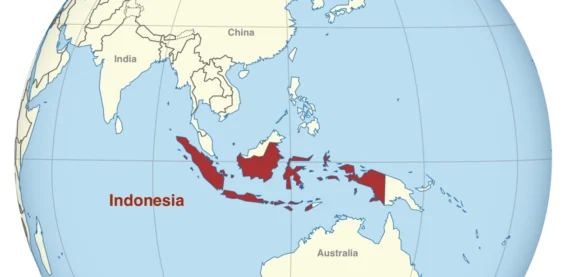
The United Nations has officially designated Indonesia as the fourth most populous nation globally in 2026, a demographic milestone with profound implications for its burgeoning e-commerce landscape. With a colossal population of 288 million residents, Indonesia now stands as a significant player in the global demographic arena, trailing only India (1.46 billion), China (1.41 billion), and the United States (345 million). This substantial population base, coupled with a rapidly expanding internet user demographic, positions Indonesia as a critical market for businesses looking to tap into the next wave of global consumer spending.
While comparing retail sales figures across nations presents inherent complexities due to disparate data collection methodologies and varying economic structures, the World Bank’s "Household Final Consumption Expenditure" metric offers a valuable, albeit approximate, benchmark. This indicator, representing the market value of all goods and services purchased by households, reveals a striking disparity between Indonesia’s population size and its current retail spending power. As of the latest compilation for 2024 data, the United States leads with a staggering $19.8 trillion in household consumption, followed by China at $7.48 trillion, and India at $2.4 trillion. In contrast, Indonesia’s household consumption stands at a comparatively modest $773.6 billion.
However, a more nuanced perspective emerges when examining online retail penetration. DataReportal, a reputable aggregator of global internet statistics, highlights that in 2025, China boasted approximately 1.3 billion internet users, achieving a remarkable 92% penetration rate. India followed with 1.0 billion users (68% penetration), the United States with 323.9 million (94% penetration), and Indonesia with 230.4 million users. Crucially, Indonesia’s internet penetration rate stands at 80%, indicating that a significant portion of its vast population is now digitally connected. This juxtaposition of a large, internet-savvy populace with relatively lower overall retail sales suggests that Indonesia’s online retail sector is not only substantial but also poised for explosive growth in the coming years. The gap between internet penetration and overall retail expenditure signifies a substantial untapped potential, presenting a fertile ground for e-commerce innovation and expansion.
The Rise of Digital Commerce in the Archipelago
The Indonesian e-commerce ecosystem is characterized by a dynamic interplay of established marketplaces, burgeoning social commerce, and evolving entry strategies for international brands. The archipelago’s vast geographical spread and linguistic diversity present unique challenges, but these are increasingly being navigated by a combination of technological adoption and strategic market penetration.
Foreign brands looking to establish a foothold in the Indonesian market often begin their journey on dominant online marketplaces. This initial phase is typically followed by a strategic diversification into local distribution networks and the establishment of branded e-commerce websites to build direct consumer relationships. The regulatory environment, much like in neighboring India, can be intricate for foreign entities, demanding careful adherence to local laws and business practices.
Currently, the Indonesian online retail landscape is heavily influenced by a few key players. As identified by Asialink, an Australia-based consultancy, Shopee Indonesia, Tokopedia, and Lazada collectively capture an impressive 76% of the online sales market. These platforms are not merely digital storefronts but have evolved into comprehensive ecosystems, with Shopee and Lazada also engaging in direct-to-consumer retail operations. The presence of major international brands such as L’Oréal Paris, Nivea, Garnier, La Roche-Posay, Maybelline, Adidas, Puma, Samsung, Xiaomi, Philips, Tefal, Nestlé, and Kellogg’s on these Indonesian marketplaces underscores the significant reach and commercial viability they offer.
Beyond traditional e-commerce platforms, social commerce is emerging as a powerful channel for consumer engagement and sales. Platforms like WhatsApp, Instagram, Facebook, and TikTok Shop are increasingly leveraged by consumers and businesses alike, facilitating direct interactions, personalized recommendations, and seamless transactions. This trend reflects a broader global shift towards integrated shopping experiences, where social interaction and commerce are intrinsically linked.
Greater Jakarta, the nation’s capital region, stands as a testament to Indonesia’s demographic concentration. With a population of 32 million residents, it represents the largest metropolitan area and serves as a significant hub for both consumption and digital activity. This concentration of population and economic activity makes it a prime target for e-commerce businesses seeking to establish an initial presence and build brand recognition.
Navigating Market Entry: Strategies and Compliance
For foreign brands seeking to penetrate the Indonesian e-commerce market, several strategic pathways exist, each with its own set of advantages and compliance requirements. These options include cross-border sales, direct engagement with online marketplaces, and the establishment of partnerships with local distributors. Regardless of the chosen route, navigating Indonesia’s regulatory framework is paramount.
A key consideration for foreign investors is the establishment of a legal entity. The most comprehensive structure that grants foreign brands direct and independent control over their operations is a PT PMA (Penanaman Modal Asing), or Foreign Investment Company. This corporate structure mandates specific requirements, including the presence of at least two shareholders, one of whom must be foreign, and a minimum capital investment of $150,000, among other regulatory stipulations. Obtaining a business identification number (NIB or Nomor Induk Berusaha) through a PT PMA is a prerequisite for operating an e-commerce business legally within Indonesia.

Many foreign e-commerce brands adopt an omnichannel strategy to maximize market reach and consumer engagement. This approach typically involves leveraging local distributors to secure broader market access, while simultaneously utilizing online marketplaces and social commerce channels to capture high-volume demand. The establishment of a branded website and physical retail presence, while incurring higher compliance and market entry costs, offers the significant advantage of building brand equity and securing valuable customer data. Partnering with local importers can also serve to streamline customs compliance, mitigating potential logistical hurdles.
In Indonesia, the term "distributors" often refers to entities that purchase sector-specific inventory at wholesale prices and then resell it to retailers or end consumers. Prominent examples of such distributors include DKSH Indonesia and Enseval, which possess established networks and expertise in navigating the local market.
Distinct from distributors are "e-commerce enablers." These specialized service providers manage a brand’s official online store, encompassing crucial functions such as marketing, customer service, and order fulfillment on various marketplaces. Jet Commerce and SCI Group are recognized examples of e-commerce enablers that assist foreign brands in optimizing their online presence and operations.
A critical legal requirement for all e-commerce transactions in Indonesia is the mandatory use of Bahasa Indonesia in product descriptions. This linguistic stipulation ensures clarity and accessibility for the domestic consumer base. Furthermore, foreign brands must adhere to a minimum wholesale value of $100 per unit for goods entering the country. This regulation effectively renders low-cost cross-border trade impractical and encourages brands to establish a more localized operational presence.
The Economic Context: Growth Potential and Challenges
The demographic profile of Indonesia, characterized by a young and increasingly urbanized population, combined with rising disposable incomes, presents a compelling case for continued e-commerce expansion. The widespread adoption of smartphones and affordable mobile data plans has further democratized internet access, bringing millions of new consumers into the digital marketplace. This trend has been accelerated by the COVID-19 pandemic, which significantly boosted online shopping habits across Southeast Asia, including Indonesia.
The Indonesian government has actively sought to foster a conducive environment for digital businesses. Initiatives aimed at improving digital infrastructure, streamlining regulatory processes, and promoting digital literacy are underway. These efforts are crucial for unlocking the full potential of the e-commerce sector and ensuring inclusive growth.
However, challenges remain. The vast archipelago, comprising over 17,000 islands, presents significant logistical complexities. Ensuring timely and cost-effective delivery across such a geographically diverse nation requires robust supply chain management and investment in logistics infrastructure. Furthermore, consumer trust in online transactions, while growing, is still an evolving aspect. Brands that prioritize secure payment gateways, transparent return policies, and reliable customer service are likely to build stronger consumer loyalty.
The competitive landscape is also intensifying, with both local and international players vying for market share. This necessitates that foreign brands develop unique value propositions and tailor their offerings to meet the specific preferences and purchasing behaviors of Indonesian consumers. Understanding local cultural nuances, popular product categories, and payment preferences (such as cash on delivery, which remains popular in certain segments) is essential for success.
Future Outlook and Strategic Imperatives
Looking ahead, Indonesia’s e-commerce market is projected to experience sustained high growth. Analysts anticipate a compound annual growth rate (CAGR) that will significantly outpace many developed economies. This trajectory is driven by a confluence of factors: a rapidly growing middle class, increasing urbanization, and a tech-savvy younger generation that is comfortable with digital transactions.
For foreign brands, a strategic and adaptable approach is key. This includes:
- Deep Market Research: Understanding local consumer behavior, preferences, and cultural sensitivities is paramount.
- Strategic Partnerships: Collaborating with local distributors, logistics providers, and e-commerce enablers can significantly ease market entry and operational complexities.
- Localization: Adapting product offerings, marketing messages, and customer service to resonate with the Indonesian audience is crucial. This includes ensuring all content is in Bahasa Indonesia.
- Compliance: Rigorous adherence to all legal and regulatory requirements, including those related to foreign investment, taxation, and consumer protection, is non-negotiable.
- Omnichannel Integration: Developing a seamless online and offline presence can enhance brand visibility, customer engagement, and overall sales.
- Data Utilization: Leveraging customer data ethically and effectively can inform product development, marketing strategies, and improve customer experience.
The Indonesian e-commerce market represents a significant opportunity for global businesses. While challenges related to logistics, regulation, and consumer trust persist, the underlying fundamentals – a vast and growing population, increasing internet penetration, and a supportive government stance – point towards a future of substantial digital commerce growth in the archipelago. Brands that can navigate these complexities with strategic foresight and localized execution are well-positioned to capitalize on this dynamic and evolving frontier. The journey of e-commerce in Indonesia is not just about transactions; it’s about building lasting connections with a vibrant and rapidly expanding consumer base.

