
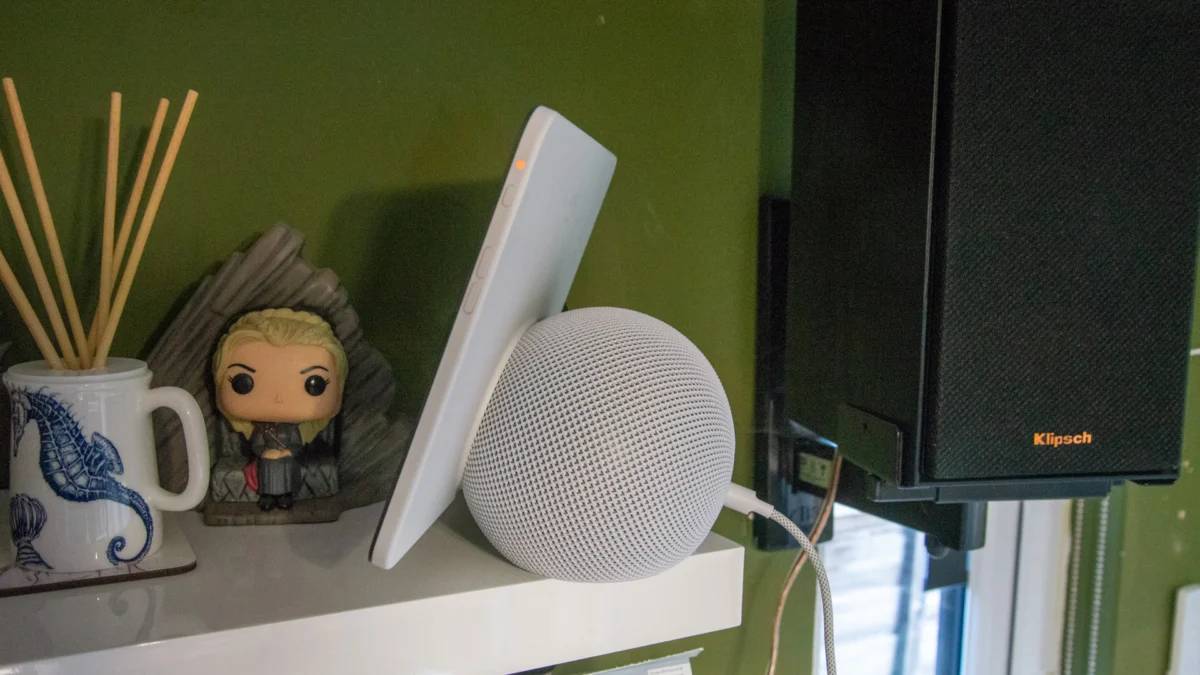
A significant leak from a known prototype collector, Kosutami, has unveiled intriguing details about Apple’s long-anticipated smart home device, tentatively codenamed "HomePad." The revelations suggest a device designed for permanent installation, incorporating a MagSafe-style magnetic wall-mounting system and an integrated doorbell functionality. This departure from traditional smart display design, which typically relies on flat surfaces, positions the HomePad as a more deeply embedded component of the home environment. The device, which has reportedly been in development for several years, now appears to be shifting its focus towards a more integrated and intelligent user experience, heavily leveraging Apple Intelligence, the company’s advanced on-device AI framework.
The reported inclusion of a MagSafe-style magnetic wall-mounting system is a particularly noteworthy aspect of the leak. This feature implies that Apple envisions the HomePad not as a portable gadget but as a fixed, integral part of a user’s living space. Such a design choice would differentiate it significantly from competitors like Amazon’s Echo Show and Google’s Nest Hub, which primarily sit on countertops or shelves and lack dedicated hardware for wall mounting. This physical installation flexibility suggests a strategic move by Apple to offer a more seamless and unobtrusive smart home experience, allowing users to place the device in optimal locations for interaction and visibility, such as kitchens, hallways, or living room walls. The magnetic attachment, mirroring the technology used for iPhone charging and accessories, promises a secure and user-friendly installation process, further reinforcing the idea of the HomePad as a permanent fixture.
Kosutami, who claims to have had direct visual access to a prototype of the device, has emphasized the HomePad’s profound reliance on Apple Intelligence. This suggests that the core interaction layer of the device will be driven by AI capabilities rather than a conventional touch-and-app interface. Apple Intelligence, introduced earlier this year, is designed to bring more sophisticated, context-aware, and personalized AI features to Apple devices. Its integration into the HomePad could enable a more intuitive and proactive user experience, allowing the device to understand complex commands, anticipate user needs, and manage smart home functions with unprecedented intelligence. This AI-centric approach aligns with Apple’s broader strategy of enhancing user interaction through advanced machine learning and natural language processing.
The leaked specifications paint a picture of a device with a 7-inch square display and a front-facing camera. This form factor appears to be consistent with Apple’s existing design language, reminiscent of the iPad mini. Such a display size and camera placement would position the HomePad to excel at video calls, providing glanceable information at a distance, and serving as a central hub for smart home control. The square display, in particular, could offer a unique visual experience for home management dashboards and information dissemination. The front-facing camera suggests a focus on communication and home monitoring capabilities, potentially integrating with Apple’s HomeKit ecosystem for enhanced security and convenience.
The development of the HomePad, according to the reports, has been a protracted affair, marked by several internal delays. These delays are not attributed to hardware development challenges but rather to the maturity of Apple Intelligence. The company appears to be prioritizing the seamless integration and robust functionality of its AI framework before officially launching the HomePad. This indicates a significant investment in ensuring that the HomePad delivers on its promise of an intelligent and intuitive smart home experience, underscoring Apple’s commitment to software and AI as key differentiators.
Release Timeline: A Gradual Unveiling
The projected release timeline for the HomePad has reportedly experienced multiple revisions, reflecting the complexities of its development and integration with Apple’s evolving AI strategy. Initially rumored for an early 2025 launch, the timeframe has since been pushed back to early 2026, and most recently, to autumn 2026. This autumn release window, typically spanning September through December, is historically Apple’s busiest period for product announcements and launches, coinciding with the introduction of new iPhone models and other significant hardware updates.
An autumn 2026 launch would strategically place the HomePad alongside other highly anticipated Apple products. It is highly probable that the iPhone 18 Pro series will be unveiled in September of that year, a flagship event for the company. Following this, the final quarter of 2026 could see the introduction of redesigned MacBook Pro models, further solidifying Apple’s position in the premium computing market. This densely packed release schedule suggests Apple aims to create significant consumer excitement and leverage the holiday shopping season across multiple product categories, with the HomePad potentially serving as a crucial addition to its smart home and personal device ecosystem.
It is important to note that "HomePad" is currently being used as an internal project name. Kosutami has indicated that there is no certainty that this will be the final commercial designation for the product. Apple is known for its strategic naming conventions, and the official product name could be revealed closer to its launch, potentially aligning with its branding for other smart home or display devices.
Supporting Data and Industry Context
The smart home market has witnessed substantial growth over the past decade, driven by increasing consumer adoption of connected devices and intelligent assistants. According to Statista, the global smart home market is projected to reach over $200 billion by 2025, with a compound annual growth rate (CAGR) of approximately 10%. This burgeoning market is characterized by intense competition from established tech giants like Amazon, Google, and Samsung, as well as a growing number of specialized smart home companies.
Apple’s entry into this market, beyond its existing HomeKit framework and HomePod speakers, has been anticipated for years. The HomePod and HomePod mini have established a foundation for Apple’s smart speaker offerings, but the HomePad, with its display and advanced AI capabilities, represents a significant escalation in its smart home ambitions. The device’s rumored features, such as the MagSafe wall mount and doorbell integration, suggest a move towards a more comprehensive and integrated smart home experience, potentially competing more directly with devices like the Amazon Echo Show 15, which also offers a larger display and wall-mounting capabilities.
The focus on on-device AI, as highlighted by Kosutami, is a strategic advantage for Apple. By processing data locally, Apple can offer enhanced privacy and security, a key concern for consumers regarding smart home devices. This approach also allows for faster response times and more personalized interactions, as the device can learn user habits and preferences without constant reliance on cloud servers. Apple’s commitment to privacy has been a cornerstone of its brand identity, and extending this to its smart home offerings would be a significant differentiator.
The reported delays tied to Apple Intelligence also underscore the strategic importance of AI in Apple’s product development roadmap. The company has been investing heavily in AI research and development, aiming to integrate intelligent features across its entire product portfolio. The HomePad’s success will likely hinge on how effectively it leverages Apple Intelligence to provide a truly smart and intuitive user experience, moving beyond basic voice commands to offer proactive assistance and seamless control of the home environment.
Broader Impact and Implications
The potential launch of the HomePad with its unique features could have several significant implications for the smart home market and Apple’s ecosystem.
Enhanced Smart Home Integration: The MagSafe wall-mounting system and doorbell integration would position the HomePad as a more permanent and functional fixture in the home. This could encourage deeper integration with other smart home devices and systems, making it a central control point for lighting, security, entertainment, and more. The doorbell functionality, in particular, could streamline home security and visitor management, offering a unified solution within the Apple ecosystem.
Competitive Landscape Shift: If the HomePad delivers on its promised AI capabilities and user experience, it could force competitors to re-evaluate their own hardware and software strategies. The emphasis on on-device AI and privacy could set a new benchmark for the industry, potentially pushing other manufacturers to invest more heavily in these areas.
Ecosystem Lock-in: For existing Apple users, the HomePad would represent another compelling reason to remain within the Apple ecosystem. Seamless integration with iPhones, iPads, and Macs, coupled with the advanced AI features of Apple Intelligence, would create a cohesive and highly functional digital environment. This could further solidify Apple’s strong customer loyalty and recurring revenue streams.
New Interaction Paradigms: The shift towards an AI-driven interface rather than a traditional touch-and-app model could signal a new paradigm for interacting with smart home devices. If successful, this approach could become a blueprint for future smart home products, prioritizing natural language understanding and contextual awareness.
User Experience Evolution: The HomePad’s design, with its focus on a permanent installation and intelligent assistance, suggests a move towards a more ambient computing experience. The device would be less about direct interaction and more about proactively managing the home environment and providing information when and where it is needed.
While the exact launch date and final product name remain unconfirmed, the leaked details about Apple’s HomePad offer a compelling glimpse into the future of smart home technology. The combination of innovative hardware design, a deep integration of advanced AI, and a focus on user privacy positions Apple to make a significant impact on a market that is ripe for intelligent and seamless solutions. The coming years will undoubtedly be crucial in determining how this ambitious project reshapes our homes and our interactions with technology.

