
International merchants aspiring to penetrate the lucrative U.S. market are increasingly gravitating towards Amazon as their primary launchpad. However, a growing number of agile brands are discovering that alternative channels, such as direct-to-consumer (DTC) ecommerce sites powered by platforms like Shopify and the rapidly expanding TikTok Shop, offer compelling and often more effective pathways to consumer engagement and sales. This shift is underscored by the compelling trajectory of a U.S.-based haircare brand that, after a prolonged period of strategic experimentation, achieved explosive growth through a combination of influencer marketing, social commerce, and a nuanced understanding of digital community dynamics.
The brand, which opted for a U.S. market debut in 2021, initially focused its efforts on Instagram, subsequently expanding its digital footprint to include a dedicated Shopify store and a presence on TikTok Shop. With an average order value of $59, the company embarked on a two-year campaign that involved distributing products to a curated network of micro and nano-influencers, investing in paid advertising, and establishing affiliate marketing partnerships. Despite these concerted efforts, initial traction remained modest, failing to generate the anticipated sales surge. This period of sustained, yet unrewarding, activity highlights the inherent challenges and uncertainties of early-stage market penetration, even with a comprehensive digital strategy.
The turning point arrived unexpectedly when a single product video gained significant viral traction on TikTok. This serendipitous event triggered a dramatic escalation in sales, propelling the brand’s revenue by an astonishing 50-fold. The momentum generated by this viral moment propelled the company’s annual sales past the $1 million mark, a significant milestone that subsequently attracted the attention of major distributors and retailers. This meteoric rise exemplifies an entrepreneurial success story forged through persistent, data-driven testing over an extended period, a testament to the fact that even well-planned strategies may not guarantee immediate returns. The unpredictable nature of viral content, particularly on platforms with algorithmically driven discovery mechanisms like TikTok, means that such successes are often difficult to replicate through deliberate planning alone.
The success factors, as analyzed by industry observers, were not solely attributable to the viral video itself. Crucially, the brand had established a robust infrastructure designed for conversion, meaning that when the demand surge occurred, it was equipped to capitalize on it. Furthermore, the consistent efforts of dozens of small, specialized creators posting regularly had cultivated an engaged audience and a steady stream of content. This persistent, albeit low-key, activity created a fertile ground for the viral moment to have maximum impact. The interplay between consistent content creation and the eventual viral hit demonstrates a strategic, long-term approach to building brand visibility and consumer trust.
The Strategic Advantage of Localized Creators
A particularly insightful tactic employed by the haircare brand, and one that is often overlooked by mainstream marketers, was its deliberate strategy of matching creators with specific linguistic communities. The company meticulously paired Spanish-speaking creators with Spanish-speaking audiences, and similarly engaged Russian- and Ukrainian-speaking creators to connect with their respective diaspora communities within the United States. This approach is particularly effective in a diverse market like the U.S., which comprises a multitude of distinct language communities. TikTok’s algorithm is adept at segmenting and serving content to these distinct linguistic groups, allowing brands to achieve highly targeted engagement without the need for broad, less effective campaigns.
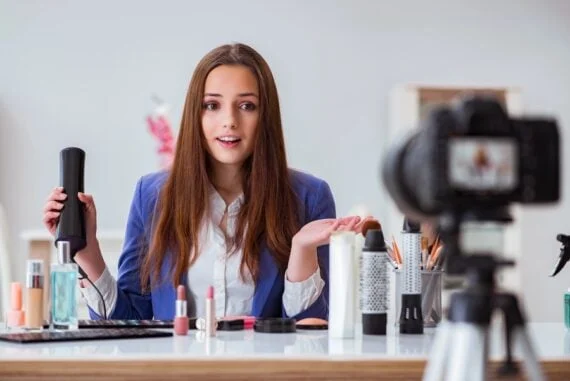
This granular approach to creator selection extended to a preference for niche influencers over celebrity endorsements. Micro and nano-influencers are generally more accessible, offering greater flexibility in campaign execution and often commanding lower fees. Critically, their recommendations carry a weight of authenticity, resonating with consumers as advice from a trusted friend, a specialist, or, in this case, credible haircare professionals and estheticians. By engaging a multitude of these smaller creators simultaneously, the brand could effectively test various messaging and product demonstrations to identify what resonated most powerfully with different audience segments.
The inherent nature of beauty and personal care products lends itself exceptionally well to this creator-led content strategy. Consumers in this sector actively seek visible results demonstrated on real individuals, a demand that platforms like TikTok are uniquely positioned to fulfill. It is no coincidence that beauty and personal care consistently ranks as the largest product category on TikTok Shop, reflecting a powerful alignment between consumer behavior and platform capabilities.
TikTok’s multifaceted role in the modern retail ecosystem cannot be overstated. It functions not only as a direct sales channel through its integrated shopping features but also as a potent demand generator for external sales channels, encompassing both branded ecommerce websites and brick-and-mortar stores. While live shopping events can directly stimulate on-platform sales, other forms of content can effectively drive traffic and conversions to a brand’s owned properties. This "halo effect" is a well-documented phenomenon, where visibility on one platform can directly influence search behavior and sales on others. For instance, an observed correlation of 500,000 TikTok views leading to an additional 5,000 branded searches on Amazon illustrates how consumers, inspired by product discovery on social media, transition to more traditional search and purchasing channels. This symbiotic relationship between platforms underscores a more integrated approach to digital commerce than many merchants initially assume.

Navigating the Evolving Landscape of Market Entry
The success of this haircare brand does not diminish the enduring relevance of Amazon, particularly for consumable goods or products that consumers actively search for based on specific needs. Amazon’s search-driven model remains a cornerstone for brands whose products address well-defined consumer pain points or requirements that users are likely to input into a search bar.
The question of the "best" channel for U.S. market entry is therefore highly contextual. It hinges on whether the product is primarily discovered through engaging content or sought after through direct search. Products that can visually demonstrate tangible results in an easily digestible format, such as many beauty and haircare items, are exceptionally well-suited for platforms like TikTok. Conversely, products that require detailed explanation, technical expertise, or address complex problems may find a more receptive audience on Amazon, where detailed product descriptions and extensive customer reviews are readily available. Ideally, a comprehensive market entry strategy can leverage the strengths of both, creating a powerful synergy that amplifies reach and drives sustained growth.
For a $59 haircare product, as exemplified by this brand’s experience, TikTok emerged as the optimal launchpad. Following two years of diligent, often unglamorous, foundational work and strategic experimentation, the brand experienced what could be described as an "overnight success," a testament to the power of perseverance and adaptability in the dynamic digital marketplace.
Supporting Data and Industry Context
The U.S. beauty and personal care market is a colossal and continuously growing sector. In 2023, the market size was estimated to be valued at over $100 billion, with projections indicating steady annual growth rates. This vast market presents significant opportunities for new entrants, but also intense competition. Understanding consumer behavior within this space is paramount. Research consistently shows that consumers, particularly younger demographics, are heavily influenced by social media and influencer recommendations when making purchasing decisions for beauty products. A 2023 report by Statista indicated that over 60% of Gen Z consumers cited social media as a key source of inspiration for their beauty purchases.
TikTok’s rapid ascent as a social commerce platform further underscores its significance. In 2023, global social commerce sales were projected to reach nearly $3 trillion, with TikTok playing an increasingly dominant role. The platform’s unique algorithm, which prioritizes content discovery and engagement, has proven highly effective in surfacing niche products and fostering viral trends. This makes it an attractive avenue for brands seeking to bypass the high cost of traditional advertising and connect directly with a highly engaged audience.
The trend of international brands targeting the U.S. market is also well-documented. According to a report by the International Trade Administration, foreign direct investment in the U.S. continues to be robust, with many international companies viewing the U.S. as a critical gateway to global expansion. The challenges they face often involve navigating diverse consumer preferences, complex distribution networks, and a saturated digital marketing landscape.
Implications and Future Outlook
The case of this haircare brand offers a valuable blueprint for other international and domestic brands seeking to establish a foothold in the U.S. market. It highlights several key takeaways:
- Diversification of Channels: Relying solely on Amazon may limit a brand’s potential. Exploring and integrating channels like DTC websites and social commerce platforms can offer greater control over brand messaging, customer relationships, and potentially higher profit margins.
- The Power of Authenticity: Niche creators, who often possess deep expertise and a genuine connection with their followers, can be more effective than broad celebrity endorsements. Their recommendations are perceived as more trustworthy and relatable.
- Strategic Localization: Tailoring marketing efforts to specific linguistic and cultural communities within the U.S. can unlock significant untapped market segments, especially on platforms that facilitate such granular targeting.
- Long-Term Investment in Content: Building an engaged community and a robust conversion infrastructure requires sustained effort and investment in content creation, even before immediate sales gains are realized. The viral moment often serves as a catalyst, but the underlying groundwork is essential.
- Synergistic Channel Strategies: The digital ecosystem is increasingly interconnected. Brands should consider how different channels can complement each other, with social media driving discovery and traffic to both DTC sites and established marketplaces like Amazon.
The evolving nature of digital commerce, driven by platforms like TikTok, necessitates a dynamic and adaptable approach to market entry. While Amazon remains a formidable force, brands that embrace innovation, understand nuanced consumer behaviors, and strategically leverage the power of creator-led content and social commerce are poised for significant success in the competitive U.S. marketplace. The future of U.S. market entry for many product categories, especially those with a strong visual or experiential component, likely lies in a multi-channel approach that prioritizes authentic engagement and community building.

