
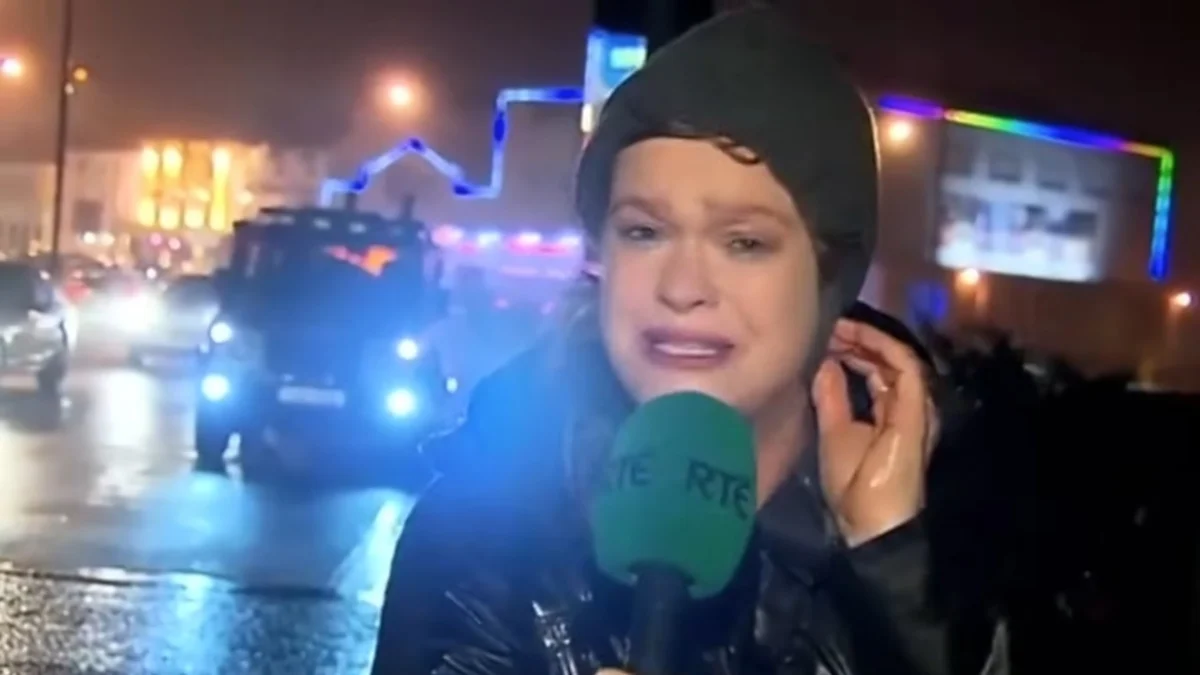
The digital landscape of the mid-2020s has witnessed the unexpected resurgence of a decade-old media artifact, transforming a serious public safety announcement into a multifaceted cultural phenomenon. Originally a broadcast segment from Ireland’s national broadcaster, RTÉ, featuring journalist Teresa Mannion, the "Don’t Make Unnecessary Journeys" video has evolved from a localized weather report into a global shorthand for anxiety, protection, and collective mourning. This evolution highlights the idiosyncratic nature of internet virality, where the gravity of a natural disaster can be repurposed through parody and eventually serve as a soundtrack for a generation’s grief over aging cultural icons.
The Meteorological and Journalistic Context: Storm Desmond 2015
To understand the origin of the meme, one must look back to December 2015, when Ireland was besieged by Storm Desmond. The storm was an exceptionally powerful extratropical cyclone that brought record-breaking rainfall and devastating flooding to parts of Ireland, the United Kingdom, and Norway. It was within this high-stakes environment that Teresa Mannion, a veteran reporter for RTÉ News, was dispatched to Salthill, Galway, to provide a live update on the treacherous conditions.
Standing against the backdrop of a violent Atlantic gale, Mannion delivered a report characterized by intense urgency. Her shouting, necessitated by the roar of the wind and rain, produced the now-iconic phrase: "Don’t make unnecessary journeys, don’t take risks on treacherous roads, and don’t swim in the sea!" At the time, the report was lauded for its dedication to public safety, though its dramatic delivery immediately caught the attention of social media users. The sincerity of the broadcast provided the perfect foundation for the digital subversion that would follow.
The Viral Pivot: From News to Parody
The transition of the report from a news segment to a viral sensation occurred almost immediately after its broadcast. On December 6, 2015, just one day after the original report aired, YouTuber Gerard Walsh uploaded an edited version of the clip. In this digital manipulation, Mannion appears to be violently struck by a flying stop sign while delivering her warning.
This edit was a watershed moment for the "Don’t Make Unnecessary Journeys" meme. The seamlessness of the editing led a significant portion of the viewing public to believe the event was authentic. Despite the physical impossibility of the reporter continuing her broadcast without interruption after such an impact, the "Reporter Hit By Stop Sign" version became the dominant iteration of the footage. By 2026, Walsh’s edit had amassed nearly one million views, cementing its place in the pantheon of classic internet parodies.
The confusion regarding the video’s authenticity eventually required intervention from fact-checking organizations. In 2022, Full Fact published a detailed debunking of the video, clarifying that the stop sign was a digital addition. Mannion herself later confirmed in various interviews that while the weather was indeed dangerous, she was never actually struck by debris during that specific broadcast.
Chronology of Cultural Integration
The meme did not remain static in the years following its 2015 debut. Its trajectory reflects the shifting platforms of digital discourse:
- December 2015: The original broadcast and the subsequent "stop sign" edit go viral on Facebook and Twitter (now X).
- Late December 2015: Teresa Mannion appears on The Late Late Show, Ireland’s premier talk show, to discuss her newfound internet fame. This appearance humanized the journalist and helped the meme transition from a "fail video" to a celebrated piece of Irish pop culture.
- 2016–2021: The audio is frequently remixed into dance tracks and used in various "remix culture" formats across YouTube and Vine.
- 2022: Fact-checkers address the video’s authenticity as it continues to circulate among new generations of internet users who lack the original context of Storm Desmond.
- 2024: The audio migrates to TikTok, where it begins to be used as a "sound" for slideshows, primarily focusing on beloved public figures.
- August 2026: The meme reaches a new peak of relevance following the deaths of several high-profile celebrities, including Dolly Parton and Tim Curry.
The 2026 TikTok Resurgence: Celebrity Protection and Collective Anxiety
In late 2024 and throughout 2026, the "Don’t Make Unnecessary Journeys" audio underwent a significant semantic shift. On TikTok, users began utilizing the sound not to mock the original report, but to express a protective instinct toward elderly or beloved celebrities. This trend, often referred to as the "Protection Trend," involves creators posting images of icons such as David Attenborough, Julie Andrews, and Stevie Nicks, accompanied by Mannion’s urgent warnings.
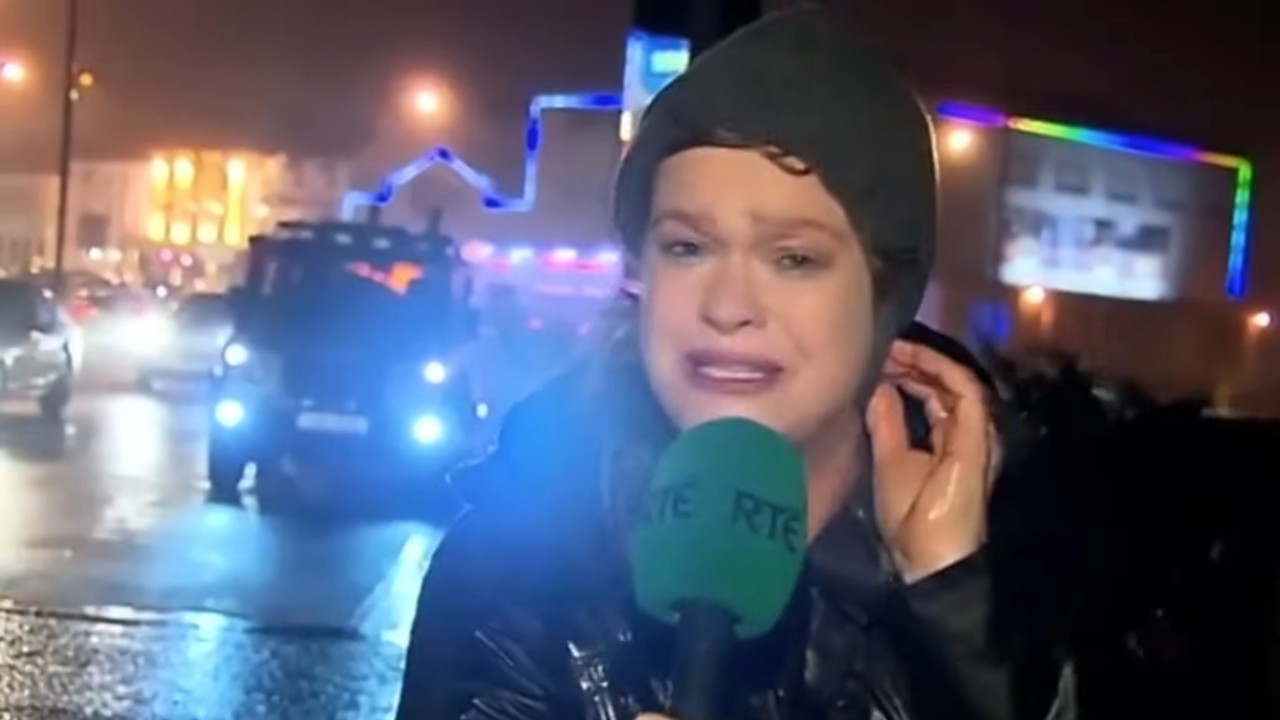
The logic of the trend is rooted in the "para-social" relationships fans develop with celebrities. By using Mannion’s impassioned plea to "not take risks," users are symbolically asking these icons to remain safe so the public does not have to endure the pain of their passing. The trend took a somber turn in August 2026. Following the reported deaths of country music legend Dolly Parton and acclaimed actor Tim Curry, the audio was used in thousands of tribute videos.
One notable example from TikToker @bylethswife gained over 6 million views in a single day. The video served as both a mourning post for Parton and a plea for other "white grandmas" of the entertainment world—such as Cher and Stevie Nicks—to "not make unnecessary journeys." This usage demonstrates how the internet can strip an audio clip of its original geographic and situational meaning (an Irish storm) and reapply it to a universal human experience (the fear of loss).
Official Responses and Media Impact
The longevity of the meme has had a tangible impact on the career of Teresa Mannion and the branding of RTÉ. Rather than distancing herself from the viral moment, Mannion embraced it, participating in charity events and light-hearted media appearances that referenced the broadcast. This "lean-in" strategy is often cited by media analysts as the most effective way for professional figures to handle accidental virality.
RTÉ, too, benefited from the global exposure. The clip remains one of the most-watched segments in the broadcaster’s digital archive. However, the phenomenon also raised questions about the "gamification" of news. When a serious warning about life-threatening weather is turned into a joke, there is a risk that the original safety message is diluted. This tension between entertainment and public service remains a central theme in the study of modern digital media.
Analytical Perspective: Why This Meme Endures
The endurance of "Don’t Make Unnecessary Journeys" can be attributed to several factors:
- Vocal Urgency: Mannion’s delivery possesses a raw, rhythmic urgency that makes it highly "sampleable." The staccato nature of the warnings—"Don’t… don’t… and don’t"—lends itself well to the short-form video formats of TikTok and Instagram Reels.
- Universal Applicability: While the original context was a storm, the advice "don’t take risks" is universally applicable. This allowed the meme to pivot from weather safety to celebrity health, and even to humorous personal anecdotes about avoiding bad decisions.
- The "Uncanny Valley" of the Edit: The stop sign edit was just realistic enough to spark debate. In the attention economy, content that generates "Is this real?" discussions often sees higher engagement and longevity.
- Nostalgia: For many, the 2015 clip represents an earlier era of the social media landscape. Its resurgence in 2026 is partly driven by a nostalgic desire to revisit "simpler" viral moments from the previous decade.
Implications for Digital Literacy
The "Reporter Hit By Stop Sign" phenomenon serves as a case study in the challenges of digital literacy. The fact that a debunking article was necessary seven years after the original event suggests that "fake news" or manipulated media can have a shelf life far longer than the news cycle that birthed it. As AI-driven video editing becomes more sophisticated, the line between the Gerard Walsh-style parodies of 2015 and malicious deepfakes of the future continues to blur.
Furthermore, the 2026 TikTok trend highlights how the meaning of "truth" in a meme is secondary to its "vibe." Users who share the audio in 2026 likely know it originated from a weather report, but they value the emotional resonance of the sound over its factual history. This shift from factual reporting to emotional expression is a hallmark of contemporary internet culture.
Conclusion
The transformation of Teresa Mannion’s Storm Desmond report into the "Don’t Make Unnecessary Journeys" meme is a testament to the unpredictable life of digital content. From a sincere warning in the face of a natural disaster to a viral parody, and finally to a digital vigil for aging celebrities, the clip has traversed a complex path of cultural meaning. As it continues to be shared in 2026 and beyond, it remains a unique intersection of journalism, comedy, and the collective anxieties of the digital age. Whether used to warn of a literal storm or to metaphorically protect a beloved singer, Mannion’s voice continues to echo across the internet, reminding a global audience that some journeys are indeed unnecessary.

