
The rapid integration of generative artificial intelligence into the product design lifecycle has introduced a significant paradox: while AI can generate mockups in seconds, the resulting prototypes often suffer from "drift," a phenomenon characterized by incremental deviations from established brand standards and technical requirements. As design teams increasingly rely on Large Language Models (LLMs) to accelerate prototyping, the industry is witnessing a shift toward "AI-ready" design systems. This movement, spearheaded by design leaders such as Hardik Pandya of Atlassian and Vitaly Friedman of Smashing Magazine, posits that the quality of AI-generated output is directly proportional to the structural integrity and machine-readability of the underlying design system. To bridge the gap between automated speed and human-grade precision, organizations are now treating design decisions not merely as aesthetic choices, but as critical digital infrastructure.
The Evolution of Design Systems in the Age of Automation
Traditionally, design systems were built for human consumption. They consisted of visual libraries in tools like Figma, accompanied by documentation sites explaining the "why" and "how" of component usage. However, LLMs do not "see" designs in the same way humans do. When an AI attempts to interpret a visual mockup or a complex design flow, it often makes assumptions to fill in the gaps where documentation is missing or where hard-coded values have been used instead of standardized tokens. This reliance on AI intuition is the primary driver of inconsistencies.
The emergence of AI-ready design systems marks a new phase in the chronology of digital product development. In the early 2010s, the industry focused on static style guides. By the mid-2010s, the focus shifted to component-driven development and Atomic Design. The 2020s introduced design tokens—platform-agnostic variables that store visual attributes. Today, the requirement has evolved again: design systems must now function as a comprehensive "context layer" for LLMs. This transition requires moving beyond visual assets and toward structured, text-based specifications that define the logic of a design.
Design Decisions as Infrastructure
A core tenet of the modern AI-integrated workflow is the conceptualization of design decisions as infrastructure. In a traditional workflow, a designer might decide to use a specific shade of blue for a primary button to ensure accessibility compliance. If this decision is only reflected in a Figma file and not documented in a machine-readable format, an AI generating a new prototype may default to a standard web blue or a brand color that lacks sufficient contrast.
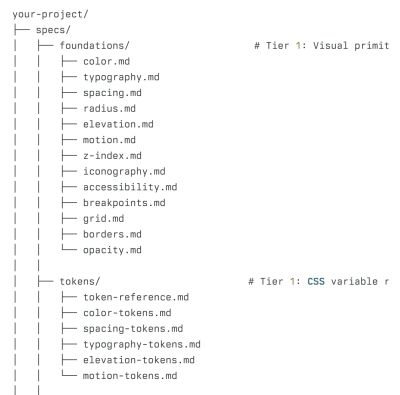
By treating these decisions as infrastructure, organizations ensure that every rule—from spacing logic to accessibility standards—is codified in a way that an LLM can consume. This involves maintaining "spec files," typically in Markdown format, that serve as the ground truth for the AI. These files contain the design principles, the "do’s and don’ts," and the specific logic used to prioritize features. When the AI is tasked with generating a prototype, it does not rely on visual pattern recognition alone; it reads the spec file to understand the constraints and requirements of the environment.

The Three-Layer Framework for AI Readiness
To implement a system that minimizes errors and maintains context, design leaders recommend a three-layered approach consisting of Spec Files, Token Layers, and Automated Auditing.
1. The Spec File Layer
Spec files are structured text documents that define the "intent" behind the design. Because LLMs are optimized for processing text, these Markdown files are far more cost-effective and accurate than providing the AI with high-resolution images or complex vector data. A spec file might include:
- Component Usage Guidelines: When to use a modal versus a drawer.
- Priority Hierarchies: Which information should be prominent on a mobile screen versus a desktop view.
- Design Principles: Explicit instructions such as "always prioritize density for pro-user tools" or "use generous white space for consumer-facing landing pages."
2. The Token Layer
The token layer serves as the vocabulary for the AI. Instead of allowing an LLM to invent "plausible" hex codes or pixel values, a robust token system forces the AI to choose from a closed set of named variables. For example, rather than specifying "16px padding," the AI is instructed to use --spacing-medium. This ensures that if the brand’s spacing scale changes, the AI-generated prototypes can be updated globally by modifying the token definitions rather than individual mockups.

3. The Auditing and Feedback Loop
The final layer involves automated auditing to catch "hallucinations" or deviations. Tools such as FigmaLint, a free plugin, have become essential for this stage. FigmaLint allows designers to audit tokens, states, and accessibility bindings. It can detect detached instances—where a designer or an AI has broken a component’s link to the master library—and flag hard-coded values that should be replaced with tokens. This creates a "linter" for design, similar to the tools developers use to maintain code quality.
Technical Data and Economic Implications
The shift toward AI-ready design systems is not merely a matter of creative preference; it is driven by operational efficiency. According to industry analysis, design debt—the accumulated cost of fixing inconsistencies and outdated components—can consume up to 30% of a product team’s resources. By using text-based spec files, organizations can significantly reduce the "token cost" of using LLMs. Processing a text file with 2,000 words of design documentation is orders of magnitude cheaper and faster than processing high-fidelity images through a vision-capable model.
Furthermore, data from early adopters of AI-integrated design workflows suggests that prototypes generated from structured spec files require 40% less manual "cleanup" by human designers. This allows design teams to move from "pixel pushing" to high-level system orchestration. The ability to generate accurate, brand-compliant prototypes in real-time also shortens the feedback loop between stakeholders and developers, potentially reducing the time-to-market for new features by weeks.
Industry Responses and Strategic Implications
The design community has reacted to these developments with a mixture of caution and optimism. While there are concerns regarding the automation of entry-level design tasks, senior practitioners argue that AI-ready systems actually elevate the role of the designer. Hardik Pandya’s guide emphasizes that AI cannot magically resolve technical or design debt. Instead, it acts as a mirror, reflecting the quality of the guidance it is given. If a design system is messy and undocumented, the AI-generated output will be equally chaotic.
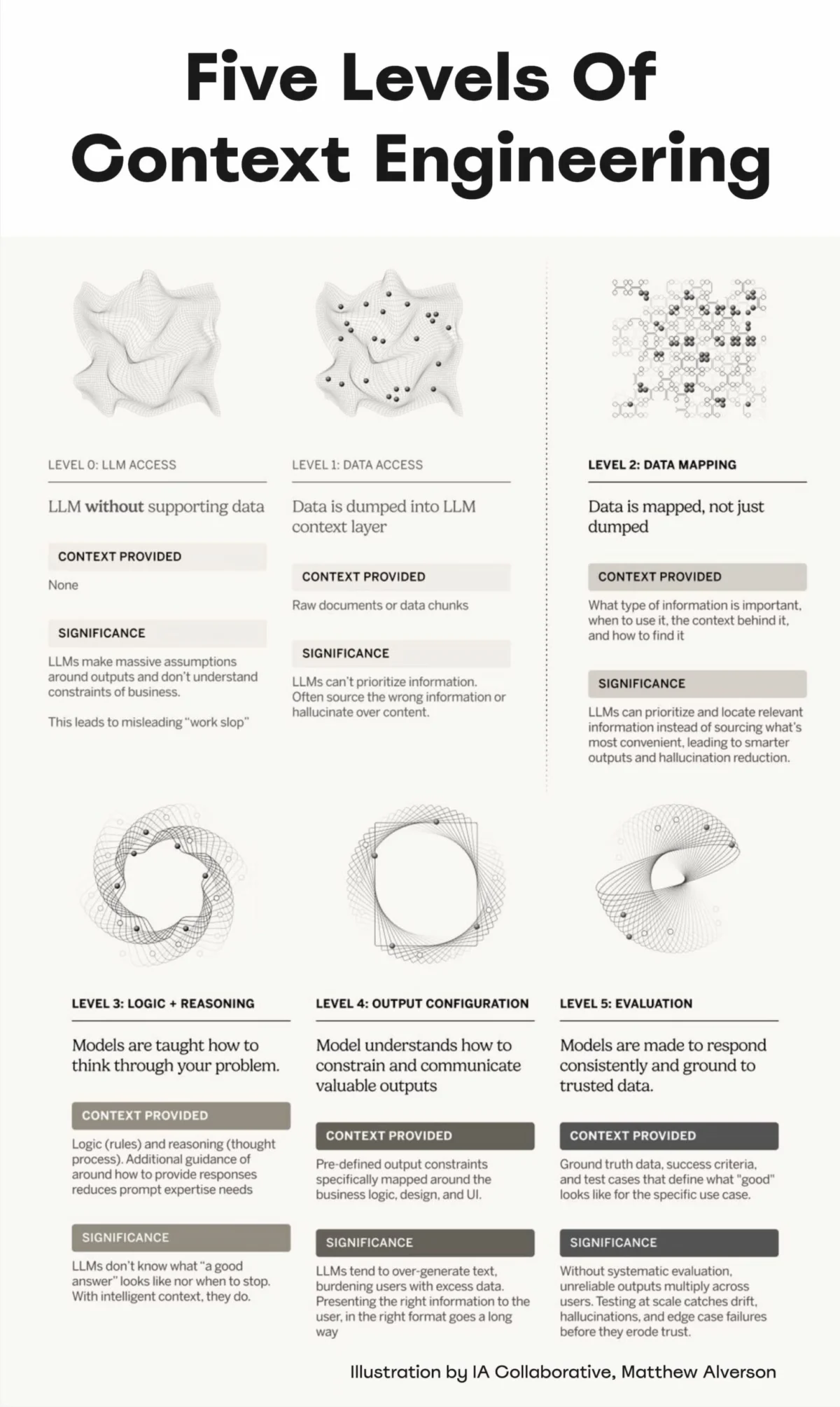
Vitaly Friedman, a prominent voice in User Experience (UX) design, notes that this evolution requires designers to develop new skills in "context engineering." This involves understanding how to share information with AI at various levels—from high-level brand goals to low-level component properties. The "Five Levels of Context Engineering," a framework highlighted by industry experts, suggests that the most successful AI implementations are those where the machine is given a clear understanding of the user’s intent, the technical constraints, and the organizational history.
Chronology of AI Integration in Design Tools
The path to the current state of AI-ready design systems can be traced through several key milestones:

- 2022: The explosion of generative AI (DALL-E, Midjourney) sparks interest in creative automation.
- Early 2023: Designers begin using ChatGPT to write copy and basic CSS for prototypes.
- Late 2023: Figma and other design platforms announce integrated AI features, focusing on layer naming and basic component generation.
- 2024: The industry recognizes the "drift" problem, leading to the development of structured frameworks like Pandya’s LLM-readable design systems.
- Present: The focus shifts to "infrastructure-level" design, where documentation and tokens are prioritized as the primary inputs for AI agents.
Future Outlook: The Role of the Designer as System Architect
As AI continues to mature, the maintenance of design systems will likely become a continuous sync routine. When a design system ships an update, automated scripts will flag which spec files need to be revised, ensuring the AI always operates on the latest version of the "truth." This reduces the risk of AI generating designs based on outdated components or retired brand guidelines.
Ultimately, the move toward AI-ready design systems represents a professionalization of the design-to-code pipeline. By forcing designers to be more deliberate and precise in their documentation, the industry is creating more resilient systems that benefit both human collaborators and AI agents. Designers will spend less time creating individual screens and more time defining the logic and principles that govern an entire ecosystem. As the complexity of digital products grows, the ability to guide AI with precision will be the defining characteristic of high-performing design teams. The era of the "pixel-perfect" designer is evolving into the era of the "system-perfect" architect, where the ultimate deliverable is not a static image, but a robust, machine-readable intelligence layer.

