
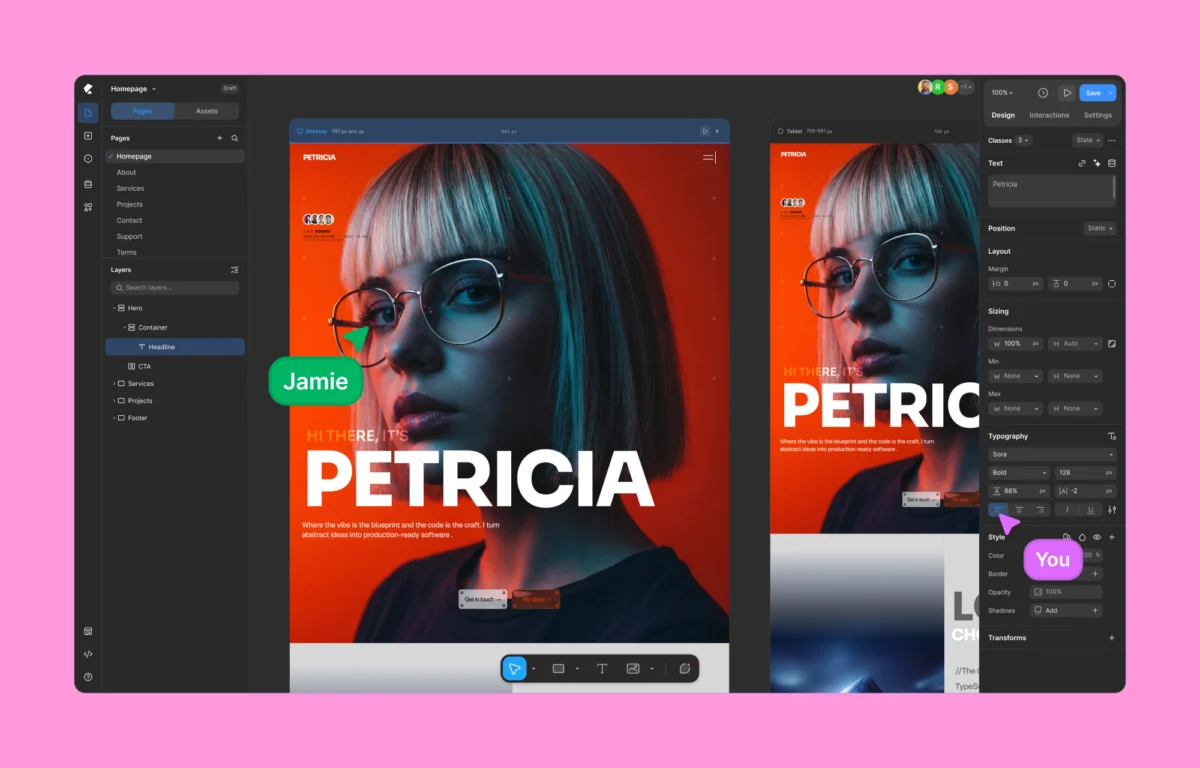
The WordPress development landscape is currently undergoing a significant technological shift as the platform moves away from rigid, column-based structures toward a more fluid, design-centric methodology. For over a decade, the "box model" has dominated the ecosystem, requiring users to nest elements within containers, rows, and columns to achieve specific layouts. However, the emergence of Kirki, the first freeform visual builder featuring an infinite canvas, marks a departure from these traditional constraints. By offering a workspace that mirrors professional design software like Figma and Webflow, Kirki aims to eliminate the technical overhead and design limitations that have long characterized the WordPress experience. This transition represents not merely a new tool, but a fundamental change in how digital assets are constructed within the world’s most popular content management system.

The Evolution of Visual Building: From Shortcodes to Infinite Canvases
To understand the impact of Kirki, one must examine the chronology of WordPress page construction. In the early 2010s, the introduction of shortcode-based builders like Visual Composer provided the first glimpse into non-technical site creation. This was followed by the "Gold Rush" of front-end builders, led by Elementor and Divi, which popularized the drag-and-drop interface. While these tools democratized web design, they introduced significant "technical debt"—bloated code, excessive DOM depth (often referred to as "DIV-itis"), and a heavy reliance on third-party plugins for basic functionality like custom fields or pop-ups.

Kirki entered the market originally as a developer-centric framework for the WordPress Customizer, gaining a reputation for its lightweight footprint and extensibility. The evolution into a full-scale freeform visual builder is a strategic response to the modern demand for "pixel-perfect" design without the performance penalties associated with legacy builders. Unlike its predecessors, Kirki utilizes an infinite canvas, allowing designers to pan, zoom, and place elements with absolute freedom, bypassing the restrictive row-column hierarchy that has historically limited creative expression.

Technical Performance and Semantic Integrity: A Comparative Analysis
In the current era of Search Engine Optimization (SEO), Core Web Vitals have become a primary metric for digital success. Page speed and visual stability are no longer optional features but essential requirements. Industry benchmarks comparing Kirki to market leaders like Elementor reveal a stark contrast in code output and browser rendering efficiency.

Under controlled test conditions using the default WordPress Twenty Twenty-Five theme, performance audits conducted via Google Lighthouse demonstrate that Kirki consistently achieves higher scores in Largest Contentful Paint (LCP) and Total Blocking Time (TBT). The primary driver of this performance gap is the "cleanliness" of the generated HTML. While traditional builders often wrap a single image or text block in five or more nested <div> tags to maintain layout positioning, Kirki generates semantic, minimal markup.

By reducing the complexity of the Document Object Model (DOM), Kirki allows browsers to parse and render pages significantly faster. For developers, this means less time spent on performance optimization and "shaking out" bloated scripts. For business owners, it translates to better user retention and improved rankings on search engine result pages. The data suggests that Kirki’s architecture is built for the "performance-first" web, where every millisecond of load time impacts conversion rates.

The Figma-to-WordPress Pipeline: Bridging the Design-Development Gap
One of the most persistent friction points in web development is the "handoff" between designers and developers. Traditionally, a design created in a tool like Figma must be painstakingly reconstructed in WordPress, a process that often leads to visual discrepancies and wasted hours. Kirki addresses this by introducing a seamless Figma-to-WordPress workflow.

This feature allows users to import Figma designs directly into the Kirki canvas. Because Kirki’s builder operates on a similar logic to professional design tools, the transition maintains high fidelity. The imported designs are responsive by default, utilizing a cascading style system where changes made to desktop views intelligently flow down to tablet and mobile breakpoints. This "concurrent editing" capability allows designers to view and adjust all responsive versions of a site side-by-side on the infinite canvas, ensuring that the user experience is consistent across all devices without the need to toggle between different preview modes.

Eliminating the "Plugin Dependency Trap"
A common critique of the WordPress ecosystem is the necessity of "plugin stacking." To build a high-functioning site, users often find themselves required to purchase and maintain separate subscriptions for Advanced Custom Fields (ACF), a popup builder, a form manager, and an animation library. This reliance on third-party extensions creates multiple points of failure, security vulnerabilities, and increased costs.

Kirki’s "all-in-one" philosophy integrates these features natively. The platform includes:

- Native Dynamic Content Manager: This allows for the creation of custom post types and fields without external plugins, enabling data-driven websites to remain lightweight.
- Visual Interaction Builder: A timeline-based animation engine that allows for complex, scroll-triggered, and hover-based interactions without writing JavaScript.
- Centralized Integration Hub (Kirki Apps): A streamlined system for connecting CRMs, analytics, and marketing tools directly within the editor.
By internalizing these functions, Kirki reduces the likelihood of plugin conflicts and ensures that all site components are optimized to work together within a single unified framework.

Collaborative Workflows and Quality Control in the Modern Agency
As the web becomes more collaborative, the demand for real-time co-editing has moved from niche to necessity. Kirki introduces a multi-user environment to WordPress that is reminiscent of Google Docs or Figma. Multiple team members can work on the same page simultaneously, with color-coded cursors indicating real-time activity. This feature is particularly relevant for agencies and large-scale enterprises where designers, copywriters, and developers must work in tandem to meet tight deadlines.

Beyond collaboration, Kirki incorporates a "Page Audit" tool designed for technical quality control. This built-in scanner evaluates pages for SEO best practices, accessibility compliance (such as missing alt text), and broken links before the site goes live. This proactive approach to quality assurance mitigates the risk of launching a site with fundamental flaws, protecting the reputation of the developer and the digital presence of the client.

Market Positioning and the "No Surprise" Pricing Model
The economic landscape of WordPress builders has become increasingly complex, with many platforms adopting tiered pricing that hides essential features behind "Pro" or "Agency" paywalls. Kirki has positioned itself with a transparent subscription model that aims to provide high value at a competitive price point.

The "Starter" plan, priced at $59 per year for a single site, includes all premium features from the outset, including the popup builder and dynamic content management. For long-term projects, the $499 lifetime plan offers an unlimited license, a move that appeals to agencies looking to stabilize their overhead costs. In a market where competitors often charge extra for "VIP support" or "Advanced Widgets," Kirki’s "what-you-see-is-what-you-get" pricing strategy is a notable attempt to rebuild trust with the developer community.

Industry Implications and the Future of the Open Web
The release of a freeform, infinite canvas builder within the WordPress ecosystem is more than just a product launch; it is an indicator of the platform’s future trajectory. As WordPress continues to compete with "closed" platforms like Squarespace and Wix, as well as high-end design tools like Webflow, it must offer a comparable—if not superior—creative experience.

Industry analysts suggest that Kirki’s approach may force legacy builders to reconsider their architectures. The shift toward cleaner code and "no-code" complexity allows for a wider range of professionals to enter the WordPress space. However, it also raises the bar for what constitutes a "professional" website. With tools like Kirki making advanced animations and complex layouts more accessible, the focus shifts from "how to build" to "what to design."

Conclusion: A Paradigm Shift in Site Construction
Kirki represents a maturation of the WordPress builder market. By prioritizing performance, design freedom, and native functionality, it addresses the primary grievances of the modern web developer. The move away from the "box model" toward an infinite canvas reflects a broader trend in digital design—one where the tool no longer dictates the limits of the creator’s imagination.

Whether Kirki will completely displace established market leaders remains to be seen, but its impact on the conversation surrounding WordPress performance and design workflow is undeniable. For those seeking a balance between the power of a CMS and the freedom of a blank canvas, Kirki offers a compelling glimpse into the next generation of web construction. As the digital landscape continues to evolve, the demand for faster, cleaner, and more expressive tools will only grow, and Kirki appears uniquely positioned to lead that charge.

