
The rapid integration of artificial intelligence into the corporate landscape is currently mirroring the structural and cultural mistakes that defined the digital transformation era of the early 2010s. Industry analysts and digital strategists, including Paul Boag, author of the 2014 seminal work Digital Adaptation, are observing a recursive pattern where organizations prioritize technological acquisition over human-centric implementation. As businesses rush to deploy generative AI tools, the lack of a comprehensive change management strategy is creating a friction point between executive expectations and employee reality.
The Convergence of Two Eras: 2014 vs. 2024
In 2014, the corporate world was grappling with "digital transformation"—a shift that required companies to move beyond legacy systems and adopt cloud-based infrastructures, mobile-first design, and integrated customer relationship management (CRM) platforms. Today, the focus has shifted to large language models (LLMs) and automated workflows. However, the underlying methodology remains flawed.
During the mid-2010s, IT departments frequently rolled out expensive Content Management Systems (CMS) and internal intranets with minimal regard for user experience or staff training. Historical data from McKinsey & Company suggests that during this period, approximately 70% of digital transformation initiatives failed to reach their stated goals, largely due to employee resistance and management silos.
A decade later, the rollout of AI tools like Microsoft Copilot and Google Gemini follows a similar trajectory. Senior management, motivated by the promise of exponential productivity gains, often procures enterprise-wide licenses and considers the transition complete. This "top-down" deployment strategy ignores the procedural knowledge and cultural shifts required for staff to effectively utilize these tools.
Chronology of Technological Adoption and Missteps
The evolution of enterprise technology over the last decade provides a clear timeline of how organizational behavior has remained static despite radical shifts in software capabilities:
- 2012–2014: The Digital Surge. Organizations began transitioning from physical records and localized servers to cloud-based environments. The focus was on "going paperless" and launching mobile apps.
- 2015–2018: The Integration Phase. Companies attempted to connect disparate systems (Silo-breaking). This era was marked by the rise of "Shadow IT," where employees used unauthorized tools like Dropbox or Slack because official channels were too cumbersome.
- 2019–2021: The Pandemic Acceleration. Global lockdowns forced a rapid, unplanned digital adoption. While this proved that remote work was viable, it left many organizations with fragmented tech stacks and "zoom fatigue."
- 2022–Present: The Generative AI Boom. The release of ChatGPT in November 2022 triggered a race for AI integration. By mid-2023, 75% of organizations were exploring or implementing AI, yet only a fraction had established formal training or ethical guidelines.
The Human Element: Beyond the Technological Tip of the Iceberg
The central failure in current AI adoption strategies is the perception of AI as a purely technological challenge. In reality, technological implementation represents only the visible "tip of the iceberg." Beneath the surface lie the massive challenges of cultural adaptation, psychological safety, and workflow redesign.
In the digital transformation era, internal systems were often technically sound but functionally unusable because they did not align with how employees actually worked. AI presents a more complex version of this problem. Unlike a new CRM, which is a tool for data entry, AI is a tool for cognitive labor. Forcing AI into a workflow without redefining that workflow leads to what sociologists call "technostress."
Furthermore, the current climate is overshadowed by job insecurity. A 2023 Goldman Sachs report estimated that AI could automate the equivalent of 300 million full-time jobs. When management introduces AI without addressing these fears, the result is not adoption, but quiet resistance or "malicious compliance," where staff use the tools in the most basic way possible to satisfy a mandate without actually improving outcomes.
Analyzing the Productivity Paradox and Employee Motivation
A critical disconnect exists between executive motivations and employee incentives. From a management perspective, AI is an investment in productivity—the ability to produce more output in less time. However, for the average employee, increased productivity rarely results in a shorter work week or higher pay. Instead, it often leads to an increased workload, where the time saved by AI is immediately filled with more tasks.
To ensure successful adoption, organizations must pivot from a "productivity-first" narrative to an "employee-benefit" narrative. This involves:
- Task Elimination: Identifying the "drudgery" of a role—repetitive, low-value tasks that employees dislike—and positioning AI as the solution to those specific pain points.
- Professional Growth: Framing AI proficiency as a career-advancement skill that increases an individual’s market value.
- Incentivization: Exploring models where AI-driven efficiency leads to tangible rewards, such as flexible hours or performance bonuses, rather than merely more work.
The Rise of ‘Shadow AI’ and the Risks of Rigid Governance
As was seen during the rise of "Shadow IT" a decade ago, "Shadow AI" is becoming a significant corporate risk. When official AI tools are locked behind layers of bureaucracy or fail to meet the specific needs of a department, employees often turn to personal accounts on ChatGPT, Claude, or Midjourney.
A 2024 survey by Salesforce indicated that over 50% of workers using generative AI at work are doing so through unapproved tools. This creates a dangerous "dark data" environment where proprietary company information is fed into public models without oversight.
The instinct of many IT departments is to implement stricter blocks and disciplinary measures. However, historical analysis of the digital transformation era shows that such measures are rarely effective. Instead, industry experts suggest that "Shadow AI" should be viewed as a diagnostic tool. It reveals exactly where the official infrastructure is failing. Rather than clamping down, organizations should study these unauthorized use cases to inform their official rollout strategies.

Institutional Safety: Creating a Framework for Permissible Failure
A major barrier to AI adoption is a "culture of fear." In many corporate environments, mistakes are viewed as signs of incompetence. However, AI is inherently experimental; it requires a process of trial and error to determine which prompts and workflows yield the best results.
During the digital transformation era, many projects stalled because Key Performance Indicators (KPIs) remained static. Employees were expected to transform their entire way of working while simultaneously hitting the same aggressive output targets. There was no "buffer" for the learning curve.
To avoid this in the AI era, management must:
- Adjust KPIs: Temporarily lower output expectations during the initial months of AI integration to allow for experimentation.
- Establish "Safe-to-Fail" Zones: Create internal sandboxes where employees can test AI tools on non-critical projects without the risk of reprimand.
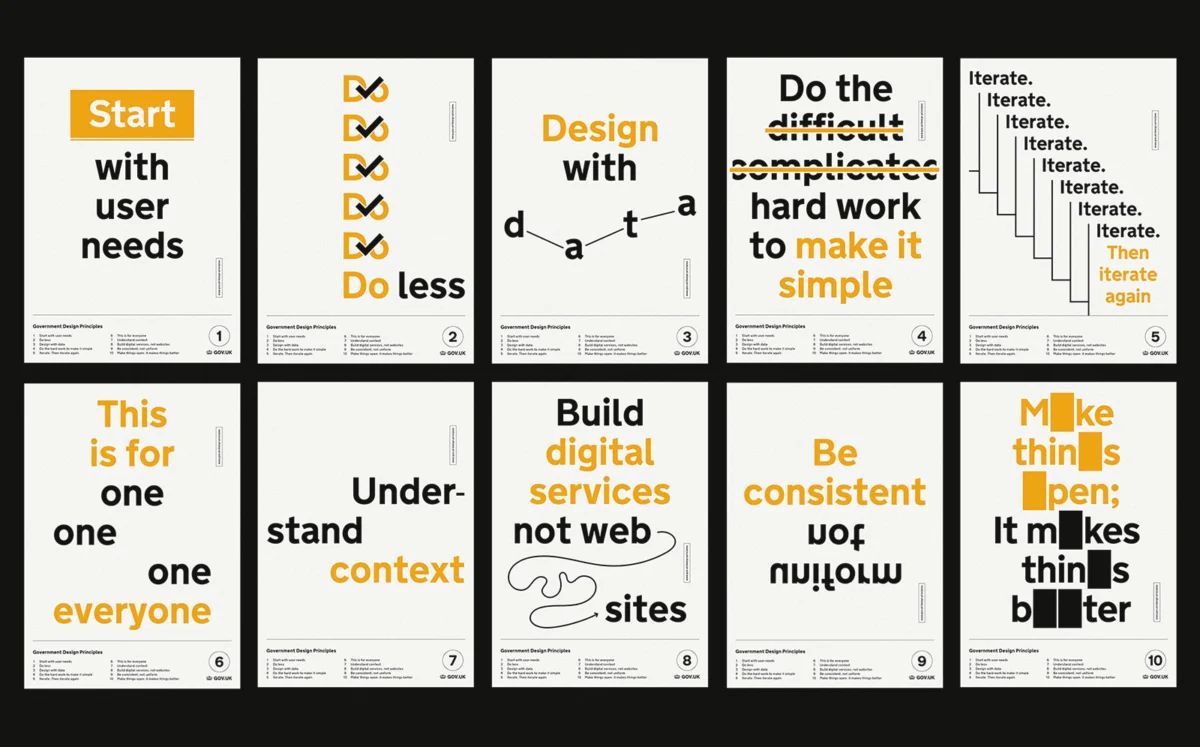
- Simplify Governance: Move away from exhaustive, multi-page manuals toward a set of core principles—similar to the GOV.UK design principles—that empower employees to use their common sense within a safe framework.
Broader Impact and Long-term Implications
The failure to learn from the digital transformation era has significant economic implications. Organizations that successfully navigate the human side of AI adoption are expected to outperform their peers significantly. According to a study by Accenture, companies that scale AI effectively could see a 30% increase in revenue on average.
However, the "AI divide" is not just between companies, but within them. If adoption is handled poorly, the result will be a fragmented workforce where a small group of "power users" thrives while the majority remains alienated and underproductive.
The path forward requires a shift in leadership philosophy. AI adoption is a change management project disguised as a technical upgrade. It requires empathy, transparency, and a willingness to cede some control to the employees on the front lines. As the lessons of 2014 show, technology is only as effective as the people who use it. If organizations continue to ignore the cultural and human requirements of technological shifts, they are destined to repeat a very expensive history.

