
This week’s update on new services for ecommerce merchants highlights a significant wave of innovation aimed at enhancing operational efficiency, sustainability, and customer engagement. From reusable packaging solutions and AI-driven dropshipping agents to streamlined financial management and advanced contact center technologies, businesses are gaining access to powerful new tools. This installment explores updates in reusable packaging, dropshipping, product feeds, finance, fulfillment platforms, B2C marketing, agentic commerce, and AI-powered contact centers, offering merchants a glimpse into the evolving landscape of ecommerce technology.
Driving Sustainability and Efficiency in Shipping
In a move that underscores the growing importance of environmental responsibility in the retail sector, FedEx and Returnity have launched a novel reusable box solution specifically designed for B2B shippers. This partnership aims to transition businesses away from single-use corrugated packaging towards a more circular logistics model. The initiative, developed in collaboration with Returnity, a specialist in circular packaging solutions, allows FedEx’s U.S. B2B clients to adopt reusable containers without incurring additional handling fees. This strategic implementation is part of a broader industry trend towards sustainable logistics, driven by increasing consumer demand for eco-friendly practices and regulatory pressures. The program is slated for expansion into Australia and Europe in the near future, signaling FedEx’s commitment to global sustainability efforts. This initiative directly addresses the substantial environmental footprint of traditional shipping methods, offering a tangible solution for businesses looking to reduce waste and carbon emissions associated with their supply chains.

AI Revolutionizes Dropshipping and Product Discovery
The dropshipping model is undergoing a significant transformation with Doba’s introduction of Pilot, an AI-powered dropshipping agent. This new beta offering promises to automate and optimize key aspects of the dropshipping process. Pilot’s capabilities extend to intelligent product discovery, enabling merchants to identify trending or in-demand items more effectively. Crucially, it automates the setup of product listings on platforms like Shopify, generating compelling product descriptions and ensuring real-time synchronization of inventory levels across multiple suppliers and selling channels. This integration leverages Doba’s established supplier network and dropshipping infrastructure, aiming to reduce the manual effort and potential errors often associated with managing a large product catalog. The implications for merchants are substantial, potentially lowering barriers to entry for new sellers and enabling existing ones to scale more rapidly and efficiently. By automating tedious tasks, Pilot allows entrepreneurs to focus on strategic growth, marketing, and customer service.
Streamlining Business Finances and Fulfillment
Squarespace Balance emerges as a new financial management tool designed to simplify business finances for merchants operating on the Squarespace platform. This integrated solution, working in tandem with Squarespace Payments, offers a comprehensive approach to financial oversight. Merchants can now access their funds within hours of a transaction, a significant improvement for cash flow management. Furthermore, Balance introduces a reward system, allowing users to earn cash rewards on their account balances, and provides a business Visa card for convenient spending. By consolidating earnings, spending, and cash flow management within a single ecosystem, Squarespace Balance aims to reduce operational complexity and enhance financial clarity for entrepreneurs. This move by Squarespace positions it as a more holistic platform, moving beyond website creation to encompass essential business operations. The ability to manage finances and earn rewards directly within the platform could be a significant differentiator for small businesses and freelancers.
Expanding Marketplace Reach and Operational Control
Ship.com has announced its integration with Walmart Marketplace, a move set to enhance fulfillment capabilities for sellers on the prominent retail platform. This integration provides a centralized dashboard where Walmart orders can be synced, enabling sellers to generate batch shipping labels and manage their fulfillment operations seamlessly alongside other sales channels. Ship.com asserts that this integration also grants merchants access to discounted carrier rates, a critical factor in optimizing profitability for online sellers. As Walmart Marketplace continues its rapid growth, projected to surpass $150 billion in sales, tools that simplify seller operations and reduce costs become increasingly vital. This development is particularly beneficial for independent sellers seeking to diversify their sales channels and streamline their logistics without significant upfront investment in complex systems. The ability to manage multiple marketplaces from a single point of control is a significant advantage in today’s competitive ecommerce environment.

Spreetail, an established ecommerce marketplace accelerator, has introduced BEx (Brand Experience Portal), a new tool designed to offer brands direct visibility into their real-time performance across various marketplaces. BEx consolidates data from Spreetail’s suite of tools, including Price Pulse, Promise Pro, and True Ads, creating a unified view of performance metrics. Operating within Spreetail’s live retail and fulfillment systems, BEx allows brands to monitor sales, inventory levels, and advertising performance, augmented by AI-driven recommendations. This level of transparency is crucial for brands seeking to optimize their online sales strategies and ensure consistent brand representation across diverse retail environments. For businesses partnering with marketplace accelerators, having direct access to performance data and actionable insights can significantly improve their return on investment and overall market presence.
Navigating the Evolving Product Discovery Landscape
Amazon’s introduction of "Shop Direct" represents a significant evolution in product discovery, showcasing items not currently listed on its own platform. This AI-powered search experience leverages third-party product feeds from providers such as Feedonomics, Salsify, and CedCommerce. For shoppers, Shop Direct offers two primary purchasing pathways: they can click to buy items directly from the external merchant’s store, or in certain cases, opt for Amazon to purchase the item on their behalf through a "Buy for Me" option. This initiative has profound implications for product data management and the visibility of independent sellers. By integrating external product feeds, Amazon is expanding its shopping universe while simultaneously creating new avenues for businesses to reach a massive consumer base. This development could redefine how consumers search for products and how brands approach online retail strategies, emphasizing the importance of robust and accurate product data feeds.
Advancements in Logistics and Customer Engagement
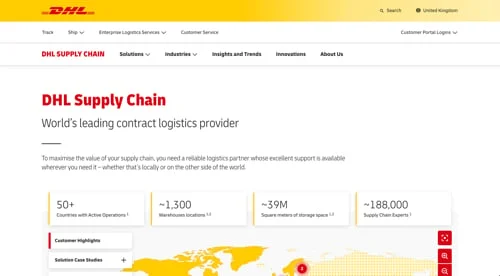
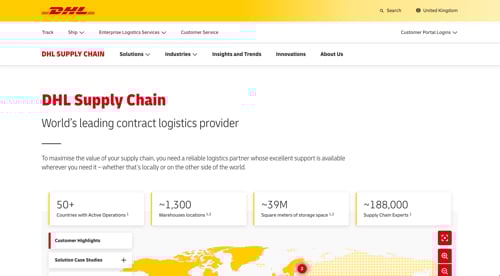
DHL Supply Chain is set to transform its Derby, U.K. facility into a next-generation ecommerce fulfillment hub. This strategic expansion will see the site reconfigured into a shared-user ecommerce fulfillment center equipped with advanced automation technologies. The upgrade is designed to support high-volume ecommerce operations, manage seasonal peaks effectively, and accommodate a wide array of product ranges. Upon completion, the facility is projected to handle an impressive volume of up to 350,000 units per day, according to DHL. This investment reflects the continued growth of the ecommerce sector and the increasing demand for sophisticated, scalable logistics solutions. As online retail volumes continue to surge, particularly in key markets like the U.K., such state-of-the-art fulfillment centers are crucial for meeting delivery expectations and maintaining operational efficiency.

Meta Leverages AI for Enhanced Marketplace Selling
Meta is integrating AI-powered selling features into Facebook Marketplace, aiming to make the process faster and more intuitive for sellers. The new capabilities allow sellers to upload item images and automatically generate detailed listings, including suggested pricing. Furthermore, sellers can now offer shipping directly on listings, generate prepaid shipping labels, and track orders through the platform. Meta AI can also be utilized to draft and send automated replies to customer inquiries, providing essential information about the listing, availability, pickup location, and price. This suite of AI-driven tools addresses common pain points for casual and small-scale sellers on social commerce platforms. By simplifying listing creation, streamlining shipping, and automating customer communication, Meta is enhancing the user experience and encouraging more commerce activity within its ecosystem. This move aligns with the broader trend of social media platforms evolving into robust transactional environments.
The Rise of Agentic Commerce and AI-Powered Support
Banco Santander and Visa have successfully completed pilot transactions in Latin America powered by AI agents, marking a significant step forward in agentic commerce. The controlled transactions took place across Argentina, Brazil, Chile, Mexico, and Uruguay, utilizing Visa’s Intelligent Commerce platform. This technology enables consent-driven transactions initiated by AI agents on behalf of consumers, paving the way for a future where automated agents can manage a range of purchasing decisions. This development signifies a paradigm shift in how consumers might interact with online services, moving from direct command to delegated agency. The ability of AI agents to understand consumer preferences and execute transactions autonomously holds the potential to revolutionize online shopping, loyalty programs, and subscription management, offering a more personalized and frictionless experience.
BlueConic, a customer growth engine for B2C marketers, has launched Agent Studio, an AI decisioning system designed to optimize real-time customer interactions. Agent Studio empowers AI agents to evaluate and execute the most appropriate actions for each individual customer in real-time, with the goal of continuously improving performance over time. This system allows brands to deliver highly personalized experiences by ensuring that every customer touchpoint is informed by intelligent decision-making. In an era where customer expectations for personalization are at an all-time high, tools like Agent Studio are becoming indispensable for marketers seeking to drive engagement and loyalty. The ability to dynamically adapt marketing and service strategies based on individual customer behavior represents a significant advancement in customer relationship management.
Financial Empowerment and Product Protection for Merchants
eBay U.K., in partnership with Liberis, has introduced Flexible Growth Financing, offering U.K. small businesses a new avenue for accessing growth capital. This financing solution allows sellers to obtain funds precisely when a business need or opportunity arises. A key feature of this program is its adaptive pricing and repayment structure, which aligns with sales fluctuations, thereby smoothing cash flow for businesses. Available from April 2026 as part of eBay’s Seller Capital program, this initiative aims to provide U.K. small businesses with the financial agility needed to scale their operations. Access to flexible financing is a critical component for small businesses looking to invest in inventory, marketing, or expansion. By tailoring repayment to sales volume, eBay and Liberis are mitigating financial risk for sellers and fostering a more supportive ecosystem.
Loxa, an insurtech company specializing in product protection, has secured £2.7 million ($3.6 million) in seed funding to expand its product protection offerings across European retail. The funding round was primarily supported by angel investors and facilitated by organizations including Angel Investment Network and FundMyPitch. Loxa empowers retailers to offer tailored product protection plans at the point of sale. The newly acquired capital will be instrumental in driving Loxa’s expansion throughout the European Union, scaling its network of retail partners, and broadening the range of product categories covered by its protection plans. In a market where consumers increasingly seek assurances for their purchases, offering integrated product protection can enhance customer loyalty and provide an additional revenue stream for retailers. This funding signals strong investor confidence in the growing demand for embedded insurance solutions in retail.
The Future of Customer Support: Unified and Intelligent
Salesforce has unveiled Agentforce Contact Center, a comprehensive self-service portal that unifies voice, digital channels, customer data, and AI agents within a single, native system. This integrated approach ensures that AI agents can access the same customer data source, enabling them to understand a customer’s complete history—including insights from voice conversations, chats, texts, purchases, and marketing interactions. Human agents also benefit from immediate access to full transcripts and customer histories, facilitating more efficient and informed customer service. The development of unified contact center solutions is a direct response to the increasing complexity of customer service operations and the demand for seamless omnichannel experiences. By integrating AI and providing a holistic view of the customer, Salesforce Agentforce Contact Center aims to empower both customers and service agents, leading to improved satisfaction and operational efficiency. This move highlights the ongoing integration of AI into core business functions, promising to redefine customer engagement strategies.

