
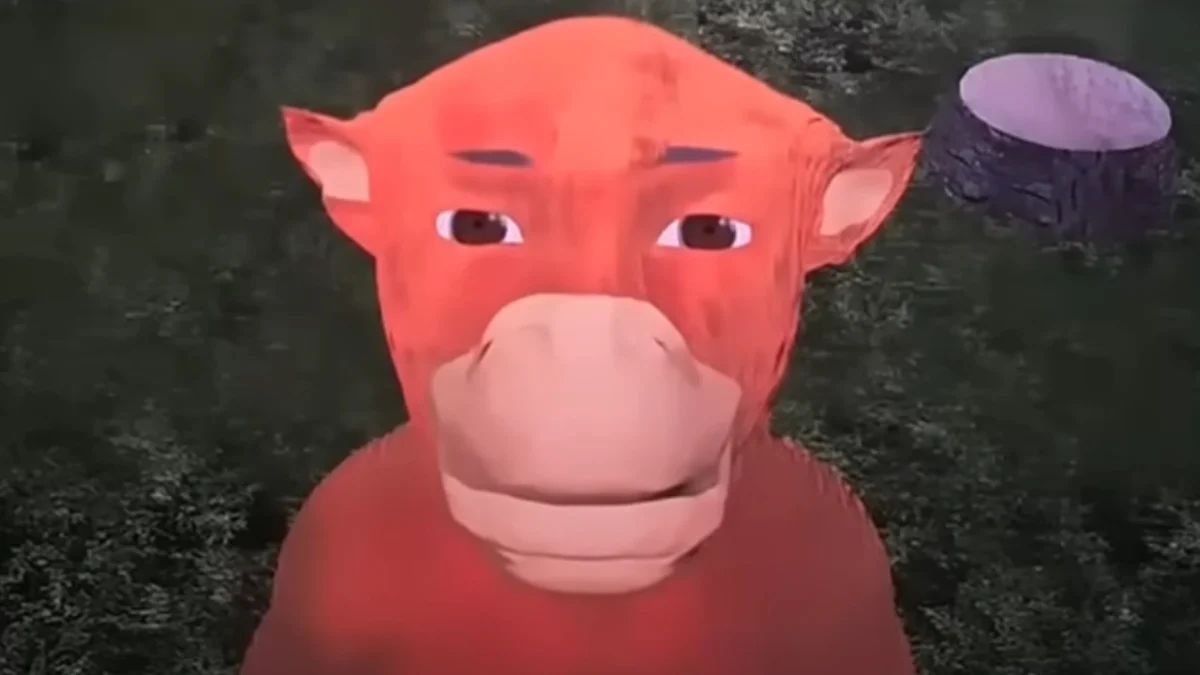
The Chinese animated feature Niu Lai, released on August 5, 2026, has emerged as one of the most unlikely cinematic success stories of the decade, transforming from a commercial failure into a global viral phenomenon. Directed by Xin Yumeng and produced by Dalian Jingyuan Culture Film and Television Media, the film follows the journey of a timid cow who undergoes an immersive dream sequence designed to instill the virtues of courage and strength. While the film was initially panned for its substandard animation and a complete lack of traditional promotional infrastructure, these very shortcomings catalyzed a massive "so bad it’s good" movement on social media. What began as a disastrous theatrical opening eventually culminated in a box office haul exceeding ¥25.6 million (approximately $3 million USD), driven almost entirely by ironic viewership and internet meme culture.
Production Background and Structural Deficiencies
The origins of Niu Lai are as unconventional as its eventual success. The production company, Dalian Jingyuan Culture Film and Television Media, reportedly transitioned into the animation sector from the interior decorating industry. This lack of specialized experience in high-end digital rendering and cinematic storytelling became immediately apparent upon the film’s release. Industry insiders and social media critics noted that the production team was exceptionally lean, allegedly consisting primarily of the director and a screenwriter, with minimal support for secondary animation, lighting, or texture mapping.
The resulting aesthetic has been described by audiences as "disaster-level," characterized by stiff character rigging, inconsistent frame rates, and environments that appeared unfinished. In an era where Chinese animation—often referred to as "Guoman"—has reached new heights with visually stunning releases, Niu Lai stood in stark contrast to the industry standard. However, this aesthetic gap became the film’s primary selling point. Rather than disappearing into obscurity, the film’s technical flaws provided a wealth of material for social media creators, who began sharing clips of the cow’s erratic movements and the surreal nature of its "brave warrior" dream sequences.
The Marketing Vacuum and Hand-Drawn Poster Phenomenon
One of the most significant contributors to the film’s virality was the total absence of a standard marketing press kit. Upon its August 5 release, many theaters across China reported that they had not been provided with official posters, trailers, or promotional standees. Facing empty display cases and a lack of digital assets to populate ticketing apps, theater employees took the unprecedented step of creating their own promotional materials.
Images of hand-drawn posters, sketched with markers on whiteboards or cardboard, began circulating on platforms like Weibo and Douyin. These grassroots advertisements, ranging from crude stick-figure cows to earnest but amateurish recreations of the film’s protagonist, humanized the film’s failure. On August 17, 2026, the phenomenon reached Western audiences when users on the social media platform Bluesky shared a compilation of these "DIY" posters. The sight of major cinema chains relying on hand-drawn art to sell tickets resonated with the internet’s penchant for underdog stories and corporate absurdity, further fueling interest in the movie.
Financial Performance and Statistical Turnaround
The financial trajectory of Niu Lai serves as a case study in the power of viral sentiment over traditional advertising. During its first week in theaters, the film was a certified box office bomb. Reports indicate it earned a meager ¥50,000 ($7,400 USD) in its opening seven days, a figure that typically signals the immediate removal of a film from theater rotations.
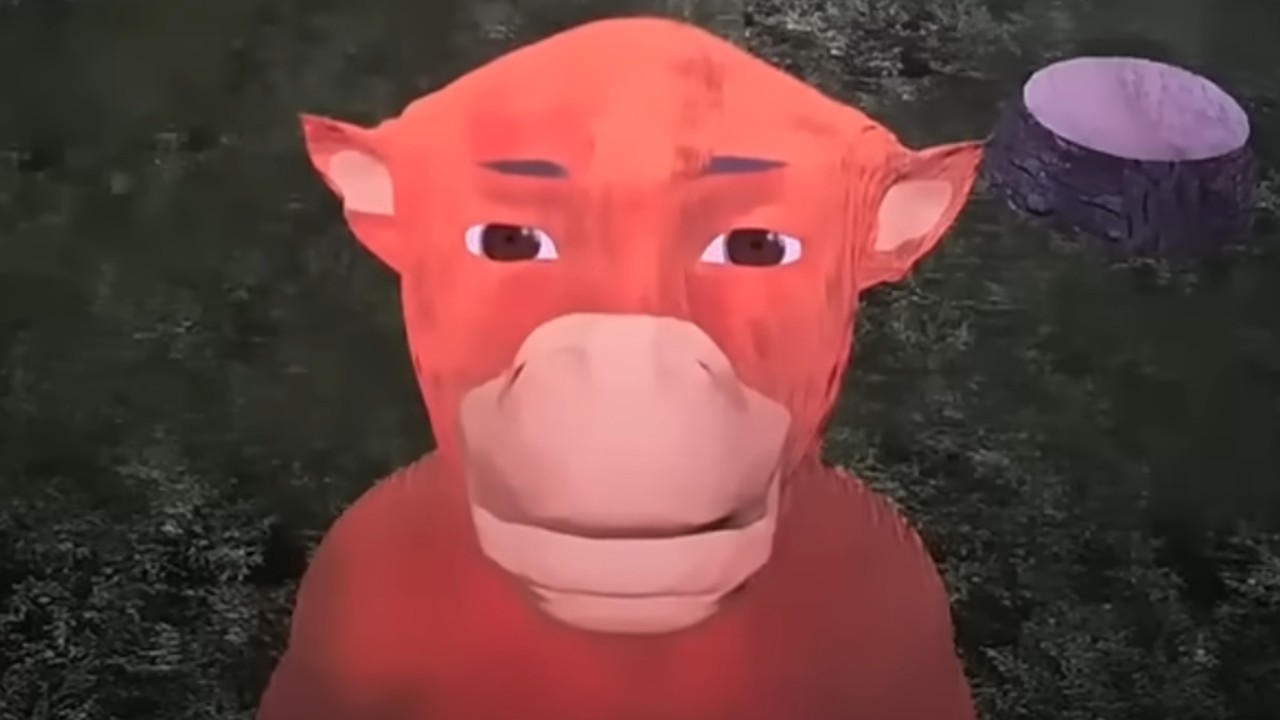
However, as the "so bad it’s good" narrative took hold in mid-August, the numbers began to shift dramatically. By August 18, 2026, the film had defied all industry projections, surpassing ¥17.1 million in ticket sales. The momentum continued as the film became a "must-see" event for youth demographics looking to participate in the collective mockery of the production. By the end of its extended run, the film reached over ¥25.6 million. While $3 million USD is modest by blockbuster standards, for a production with virtually no marketing budget and a skeleton crew, the return on investment represents a significant anomaly in the 2026 film market.
Chronology of Global Virality
The transition of Niu Lai from a local Chinese curiosity to an international meme occurred over a remarkably short window in August 2026.
- August 5: The film is released in select Chinese theaters to minimal fanfare and poor initial returns.
- August 12–14: Clips of the film’s animation glitches begin to trend on Chinese social media platforms, with users comparing the quality to early 2000s computer games.
- August 15: Digital historian and X (formerly Twitter) user Tong Bingxue posts a clip of the movie, explaining its "disaster-level" visuals and the two-person production team. The post garners tens of thousands of interactions, introducing the film to the English-speaking web.
- August 16: A YouTuber named Nota uploads the full Chinese version of the film. Within 72 hours, the video accumulates over 700,000 views, indicating a massive appetite for the content outside of China.
- August 17: An English-subtitled version is released by the YouTube channel "Pet the Actor," allowing Western viewers to follow the narrative of the fearful cow. On the same day, USA Today publishes an analysis of the film’s rise, cementing its status as a mainstream cultural moment.
- August 18: The film dominates Reddit and TikTok. A post on the subreddit /r/Damnthatsinteresting regarding the hand-drawn posters receives over 14,000 upvotes, while TikToker Andy Jiang’s video explaining the movie’s "so bad it’s good" status reaches 1.2 million views in a single day.
Comparative Analysis: The "Morbius" of 2026
Cultural critics have drawn direct parallels between Niu Lai and the 2022 film Morbius, which similarly inspired a massive ironic fandom. However, while the Morbius phenomenon was largely characterized by "shitposting" and fake catchphrases (such as "It’s Morbin’ Time"), the Niu Lai craze resulted in tangible box office recovery.
Unlike Morbius, which was a high-budget studio product that failed to meet expectations, Niu Lai is viewed as a "sincere failure." The perceived earnestness of the director, Xin Yumeng, attempting to tell a story of bravery through a limited medium, created a sense of "ironic endearment" among viewers. This led to a wave of memes that celebrated the film’s existence rather than just mocking its quality. One notable meme involved X user @eugenewei claiming to have waited in line for hours to see Niu Lai in "70mm IMAX," a format reserved for high-fidelity cinema like Christopher Nolan films. The juxtaposition of Niu Lai’s low-resolution animation with the prestige of IMAX became a cornerstone of the film’s online identity.
Broader Implications for the Animation Industry
The success of Niu Lai raises critical questions about the future of film marketing and the role of "hate-watching" in the digital economy. For the Chinese film industry, Niu Lai highlights a gap in the market where high-budget fatigue may be setting in among younger audiences, who find more entertainment value in the unpredictable nature of low-budget oddities than in polished, formulaic blockbusters.
Furthermore, the incident has prompted discussions regarding the "press kit" requirements for theatrical distributors. The fact that a film could be sent to theaters without official posters suggests a breakdown in the traditional supply chain, yet the subsequent success of hand-drawn posters suggests that audiences may be becoming desensitized to polished, corporate advertising. The "Niu Lai Effect" demonstrates that in the age of algorithmic discovery, a product’s flaws can be rebranded as its most marketable features.
As of late August 2026, Niu Lai remains a prominent fixture in online discourse. While it is unlikely to spawn a franchise or a shift toward lower animation standards, its legacy as a triumph of viral irony is secure. The fearful cow that dreamed of being a warrior has, in a meta-narrative twist, shown a different kind of strength: the ability to conquer the global box office through the sheer force of its own inadequacy.

