The era of securing multi-million dollar design budgets based solely on aesthetic "delight" or intuitive wireframes has effectively ended, giving way to a more rigorous, data-centric environment where every dollar spent must be justified by its contribution to the corporate balance sheet. As capital becomes more expensive and executive scrutiny intensifies, User Experience (UX) professionals […]
Breaking the Chatbot Monolith Why UX Design Must Move Beyond Conversational Interfaces for AI
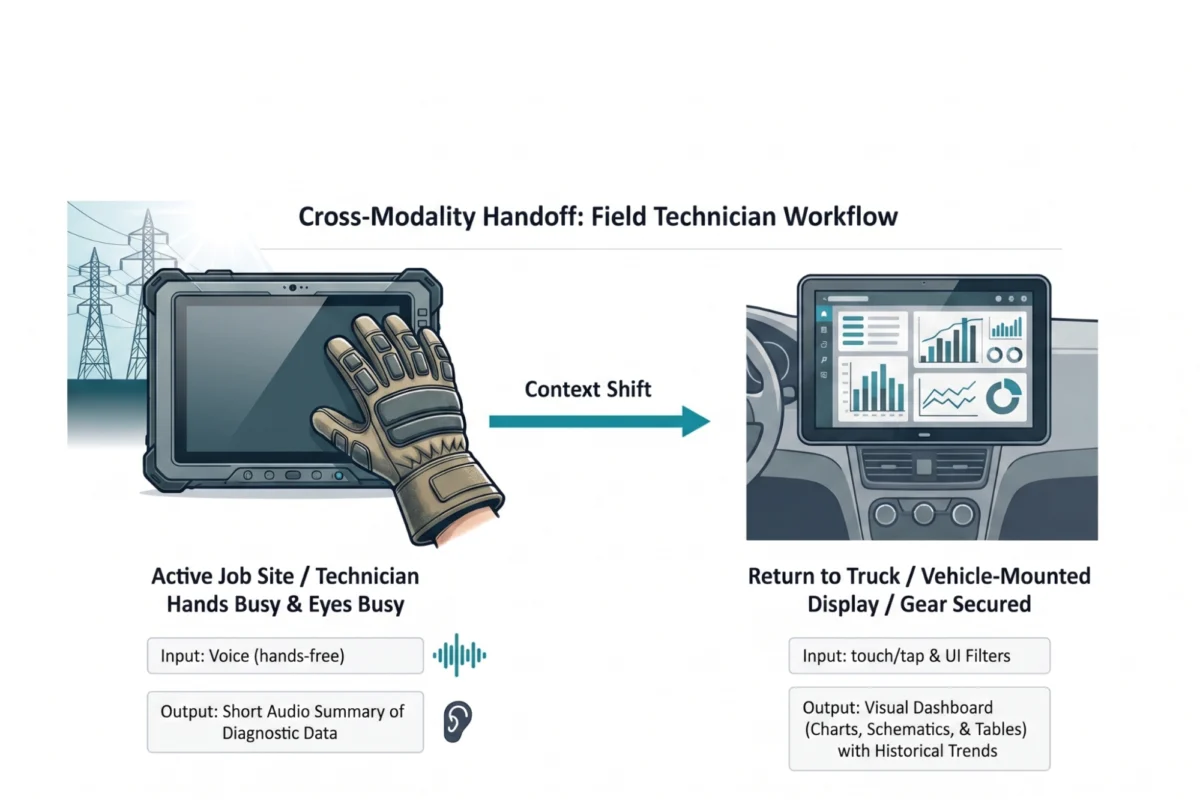
The global technology sector has entered a period of "conversational tunnel vision," a phenomenon where product designers and engineers default to chat-based interfaces for nearly all artificial intelligence capabilities. This trend, driven largely by the rapid ascent of Large Language Models (LLMs) trained on dialogue data, has led to a standardized industry assumption that the […]
Humanizing Artificial Intelligence Through Design The Case of Eney and the Future of Creative Work
The rapid proliferation of generative artificial intelligence has fundamentally altered the landscape of digital interaction, moving the technology from experimental labs into the daily workflows of millions. As industry giants like OpenAI, Google, and Anthropic continue to refine the capabilities of Large Language Models (LLMs), a secondary challenge has emerged: the user interface. While the […]
Building Tactile Web Experiences by Prioritizing Intentional Motion Over Physics Simulations
In an era where web interfaces are increasingly judged by their responsiveness and "feel," the technical architecture behind interactive experiences is undergoing a significant shift. Traditionally, front-end developers and UX engineers tasked with creating bouncy, tactile, or destructive digital environments have defaulted to physics engines. Frameworks such as Matter.js, Cannon.js, or complex WebGL-based solutions have […]
Rethinking Data Visualization Through the Lens of User Experience to Drive Organizational Action
In the modern corporate landscape, organizations are experiencing a paradox of plenty: data has never been more accessible, yet its ability to drive meaningful decision-making remains remarkably low. Despite the proliferation of sophisticated business intelligence (BI) tools and real-time performance dashboards across sales, product, marketing, and operations functions, a significant gap persists between technical accuracy […]
Death of the Button Why the Best Interface is No Interface
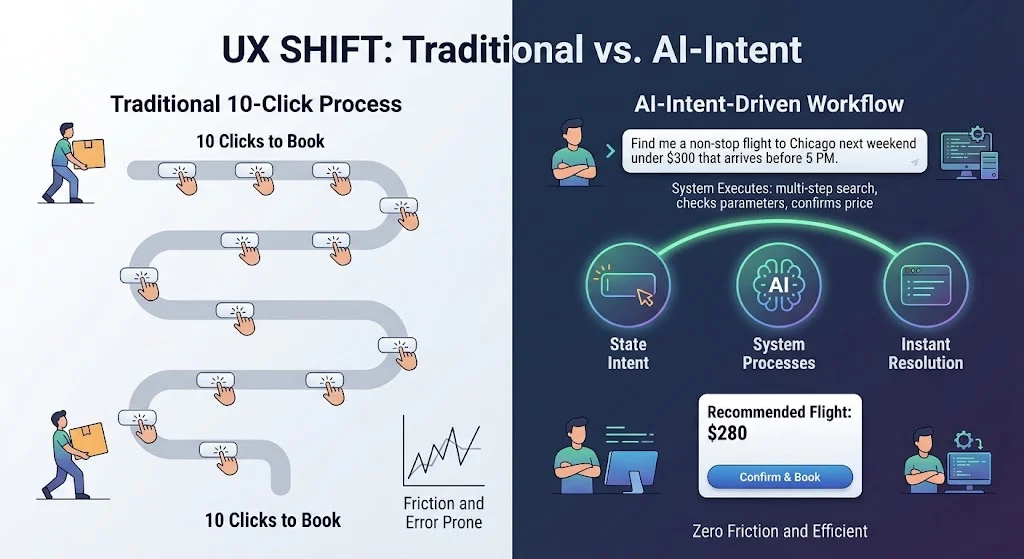
The digital landscape is currently undergoing its most significant architectural shift since the commercialization of the Graphical User Interface (GUI) in the early 1980s. For over four decades, the primary contract between humans and software has been defined by the "point-and-click" paradigm—a system where users navigate a labyrinth of menus, sliders, and forms to achieve […]
The Evolution of Responsive Web Design Bridging the Gap Between Viewport Media Queries and CSS Container Queries
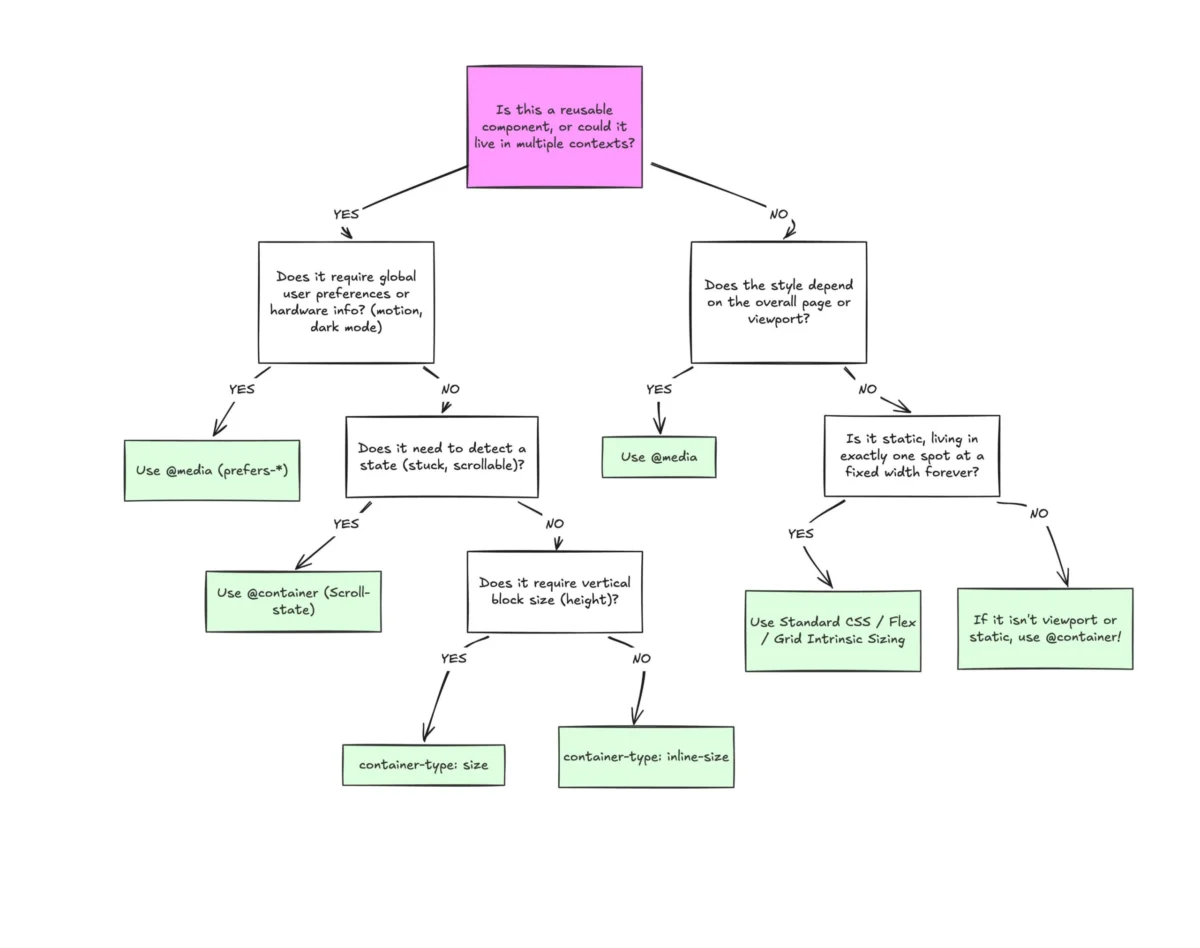
The landscape of front-end web development is currently navigating a significant transition as the industry attempts to move beyond the limitations of viewport-based responsive design. Despite achieving a robust 94% browser support rating, CSS Container Queries remain one of the most underutilized features in the modern web stack. Recent industry data reveals a stark disconnect […]
The Evolution of Autonomous Websites and the Redefinition of Digital Maintenance
The traditional lifecycle of a corporate website is defined by a paradox of immediate obsolescence: a digital asset is at its absolute peak performance the moment it launches, only to begin a process of gradual decay the second it goes live. This phenomenon, often referred to as "digital entropy," occurs not because the underlying code […]
The Shift Toward Seamless AI Integration and the Rise of Quiet Intelligence in Modern Software Design
The landscape of digital productivity is currently undergoing a fundamental paradigm shift as the initial novelty of standalone generative artificial intelligence tools begins to wane, giving way to a more sophisticated demand for integrated utility. For much of the past two years, the technology sector has been dominated by the "AI-first" philosophy, a development strategy […]
The Dual Reality of AI in Product Design: Examining the Emergence of Designer Autonomy and the Risks of Professional Displacement
The integration of artificial intelligence into the product design lifecycle is catalyzing a fundamental shift in the power dynamics of the technology industry. For over a decade, digital designers have operated within a structured hierarchy, often citing organizational friction as the primary barrier to high-quality output. Today, the advent of generative AI and advanced prototyping […]