
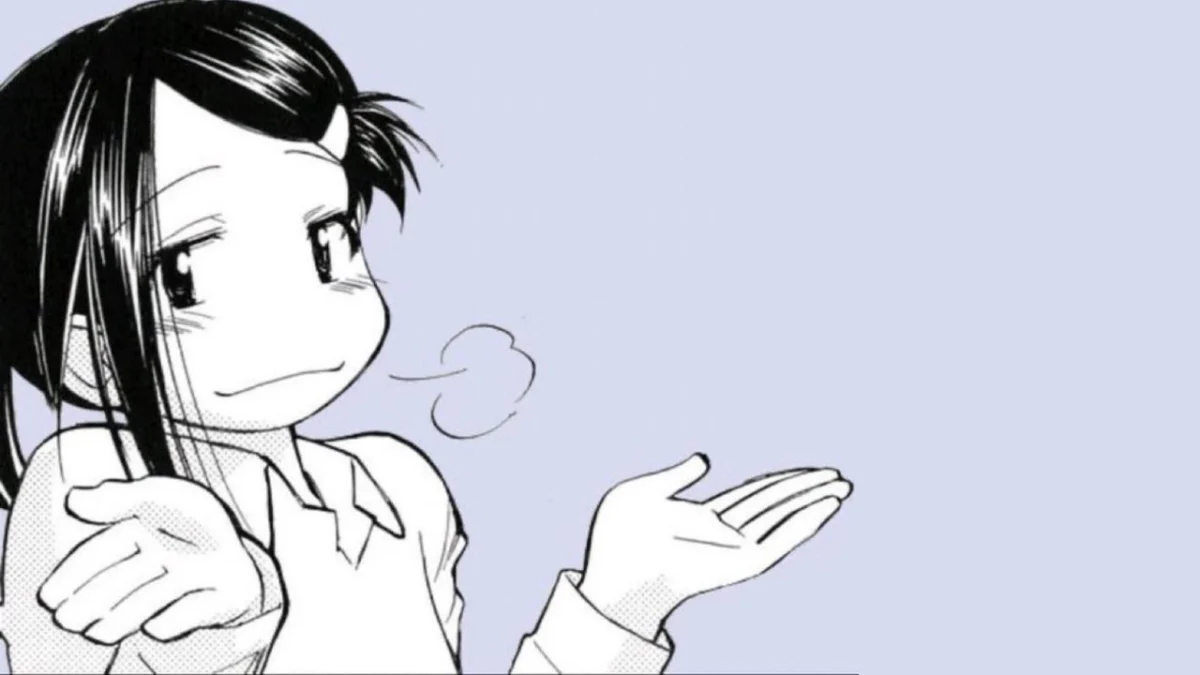
The Ako Shrug represents a significant case study in the longevity and cyclical nature of internet subculture, manifesting as a widely recognized reaction image featuring the character Ako Suminoe from the Japanese manga series Kissxsis. Characterized by a distinctive shrug, a self-assured smirk, and a visible puff of breath, the image has transcended its original narrative context to become a universal digital shorthand for nonchalance, dismissiveness, and ironic indifference. While its roots can be traced back to the early 2010s, the meme has experienced several waves of revitalization, most notably a substantial surge in visibility during the spring of 2026. This enduring presence highlights the mechanics of how specific visual frames from niche media are repurposed to navigate the complexities of modern social media discourse.
Source Material and Narrative Context
To understand the resonance of the Ako Shrug, one must first examine its origins in the manga series Kissxsis, authored and illustrated by Bunjū Bow Ditama. The series began its serialization on December 19, 2005, and concluded on September 21, 2021, spanning 25 volumes. Published primarily in Kodansha’s Monthly Young Magazine, the story centers on Keita Suminoe, a junior high school student who finds himself the object of affection for his two elder twin step-sisters, Ako and Riko.
Ako Suminoe, the character depicted in the meme, is typically portrayed as the more responsible and academically inclined of the two sisters, though she frequently engages in the same provocative behavior that defines the series’ romantic comedy elements. The specific frame used in the meme captures a moment of characteristic confidence. The "shrug" gesture, combined with the "puff of breath"—a common anime trope indicating a sigh of relief, a smug realization, or a dismissive "of course"—provides a versatile emotional palette for internet users. The character’s expression manages to convey both a sense of superiority and a "what can you do?" attitude, making it an ideal tool for reacting to controversial or absurd statements online.
Chronology of Digital Spread (2010–2020)
The migration of the Ako Shrug from the pages of a seinen manga to the broader internet began in the late 2000s and early 2010s. Digital forensic analysis through image-indexing services like TinEye suggests that the meme was established as a reaction tool as early as November 4, 2010. Its earliest recorded uses were found on The Escapist forums, a hub for gaming and geek culture that was highly influential during that era.
Throughout the early 2010s, the image became a staple on image boards and microblogging platforms. Between 2010 and 2015, the meme saw consistent usage on 4chan’s various boards and Tumblr, where it was often used in "waifu" culture discussions or as a general reaction to "flame wars." Unlike many memes that burn out within months, the Ako Shrug maintained a low-level, persistent presence, acting as a "legacy meme" that remained recognizable to veteran internet users while occasionally surfacing for newer audiences.
In July 2016, the meme began to undergo formal evolution through user-generated edits. A notable version appeared on the image-hosting site Imgur, where the text "You can’t fix stupid, bro" was superimposed over the image. This edit marked a shift in the meme’s utility; it was no longer just a character reaction but a template for assertive, often derogatory, commentary. This period solidified the image’s association with the "smug anime girl" archetype, a popular category of reaction images used to mock an opponent’s perceived lack of logic or awareness.
Subcultural Adaptation and Identity
By the early 2020s, the Ako Shrug began to appear in more specialized contexts, demonstrating the "nichification" of meme culture. In January 2022, a significant interaction occurred on Tumblr when user demilypyro utilized a modified version of the meme to address a post regarding the "trans-fem" community and gaming preferences in the Monster Hunter franchise. In this version, the character was edited to hold a hammer, a specific weapon from the game.
This adaptation is significant because it illustrates how a general-purpose reaction image can be reclaimed and re-contextualized by specific subcultures to foster internal community humor. The post gained over 1,800 notes, signaling that the Ako Shrug had moved beyond its original anime-centric audience and into the realm of identity-based digital humor. It proved that the visual’s core message—one of "unbothered" acceptance of a stereotype or a situation—was flexible enough to accommodate various social narratives.
The 2026 Resurgence: Mechanics of Virality
The most recent and perhaps most intense surge in the meme’s popularity occurred in March 2026. This revival was driven largely by the evolving landscape of X (formerly Twitter), where the platform’s "rage-bait" and "hot take" culture provided the perfect environment for a dismissive reaction image.
On March 18, 2026, a post by user @roomsick_ utilized the Ako Shrug to respond to a provocative statement regarding virginity and social identity. The post garnered over 3,800 likes and hundreds of reposts within 48 hours. The success of this post triggered a chain reaction, as other users began using the image to react to a variety of "gatekeeping" comments in fandoms ranging from Dragon Ball to JoJo’s Bizarre Adventure.
One notable example involved a debate over whether watching Dragon Ball GT was a requirement for being a "true" fan of the franchise. The Ako Shrug was used here to signify a lack of concern for the gatekeeper’s standards. This specific wave of usage highlighted a broader trend in 2026 internet culture: the use of "classic" anime aesthetics to signal a detached, ironic stance in the face of increasingly polarized online debates.
Visual Semiotics and Psychological Appeal
The enduring appeal of the Ako Shrug can be analyzed through the lens of semiotics—the study of signs and symbols. The image functions as a "polysemic" sign, meaning it carries multiple related meanings depending on the context.
- The Shrug: Universally understood as a gesture of "I don’t know" or "I don’t care."
- The Smirk: Adds a layer of "I know something you don’t" or "Your argument is beneath me."
- The Puff of Breath: Symbolizes a release of tension or a dismissive "phew," suggesting that the user is not stressed by the preceding comment.
In a digital environment where users are constantly bombarded with high-stakes political and social discourse, the ability to respond with a single image that encapsulates "I am aware of your point, and I find it irrelevant" is highly valued. The Ako Shrug provides a psychological shield, allowing the user to engage in a conversation without appearing emotionally invested.
Broader Impact and Implications for Digital Communication
The trajectory of the Ako Shrug reflects larger shifts in how human beings communicate in the 21st century. As text-based communication is increasingly supplemented by visual media, images like the Ako Shrug serve as "emotive punctuation." They provide the tone and body language that are often lost in written digital exchanges.
Furthermore, the meme’s longevity suggests a "standardization" of certain reaction images. Much like the "Facepalm" or the "Arthur Fist," the Ako Shrug has entered a canon of digital gestures that are likely to persist for decades. It also underscores the importance of the "anime aesthetic" in global internet culture. Despite being sourced from a series that concluded years ago, the visual style remains contemporary and effective for a global audience that may have never even read the original manga.
The 2026 surge also indicates that the "life cycle" of a meme is no longer a linear path from birth to death. Instead, memes exist in a state of "dormancy," waiting for a shift in the social climate or a specific viral post to bring them back into the mainstream. This "zombie" nature of digital content means that characters like Ako Suminoe will continue to influence social interactions long after their original stories have ended.
Conclusion
The Ako Shrug is more than a simple reaction image; it is a resilient cultural artifact that bridges the gap between mid-2000s manga and 2020s social media dynamics. Its journey from The Escapist forums to the viral heights of X in 2026 demonstrates the power of visual shorthand in navigating modern discourse. By providing a perfect synthesis of smugness and nonchalance, the image allows users to communicate complex attitudes toward gatekeeping, stupidity, and social norms with a single, wordless frame. As digital communication continues to evolve, the Ako Shrug stands as a testament to the lasting impact of anime iconography on the global stage.

