
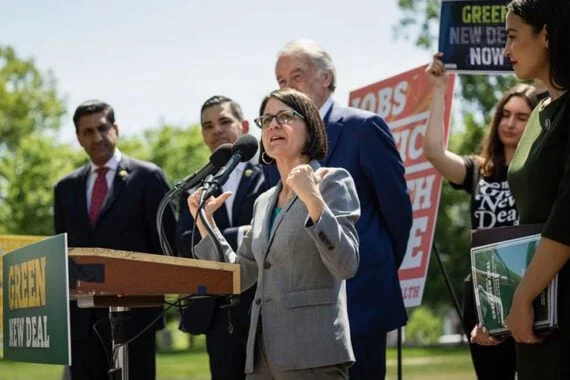
Proposed legislation introduced last week in the U.S. House of Representatives could fundamentally alter the relationship between major e-commerce marketplaces and the millions of third-party sellers who rely on them, offering new protections against alleged policy violations that can lead to frozen revenue and stranded inventory. The bill, H.R. 9799, titled the “Online Sellers’ Bill of Rights Act of 2026,” was formally introduced on July 21, 2026, by Representative Becca Balint (D-Vt.) along with a bipartisan group of co-sponsors. This legislative effort comes as a response to growing concerns over the opaque and often abrupt enforcement actions taken by platforms like Amazon and Walmart, which can have devastating consequences for small and medium-sized businesses.
The current e-commerce landscape presents a dual-edged sword for merchants. On one hand, platforms such as Amazon, Walmart Marketplace, eBay, and Etsy provide unparalleled access to a global customer base, enabling even the smallest enterprises to reach millions of potential buyers. This accessibility has democratized commerce to a significant degree, allowing niche products and independent brands to thrive alongside established corporations. However, once a seller achieves a certain level of success and becomes reliant on these marketplaces for a substantial portion of their revenue, an alleged policy violation—whether real or perceived—can swiftly disrupt their business operations, leading to financial precarity and, in some cases, complete dissolution. The swift freezing of seller funds and the impounding of inventory without adequate recourse have become significant pain points for a substantial segment of the online retail community.
The Genesis of the Online Sellers’ Bill of Rights Act
The introduction of H.R. 9799 marks a significant escalation in the ongoing debate surrounding the power dynamics between online marketplaces and their third-party sellers. For years, sellers have voiced frustrations regarding the lack of transparency and the perceived arbitrariness of marketplace enforcement actions. These actions often stem from alleged violations of complex and frequently updated terms of service, covering a broad spectrum of issues from product authenticity and safety to listing compliance and customer service standards. When a violation is flagged, marketplaces typically have broad discretion to freeze seller accounts, withhold funds, and place inventory into a hold status, often with minimal explanation and a lengthy, convoluted appeals process.
Anecdotal evidence and surveys from seller advocacy groups paint a stark picture of the financial and operational damage inflicted by these measures. A 2025 report by the Online Merchants Guild, for instance, indicated that nearly 40% of surveyed sellers had experienced account suspensions or significant fund holds in the preceding 12 months, with over half reporting that these actions severely impacted their ability to meet financial obligations. The lack of a clear, standardized, and timely appeals process means that legitimate businesses can be crippled for weeks or even months, losing sales opportunities and incurring storage fees for inventory that cannot be accessed or sold.
The "Online Sellers’ Bill of Rights Act of 2026" seeks to address these systemic issues by establishing federal standards for marketplace enforcement. The bill is not designed to hamstring marketplaces in their efforts to combat fraud, counterfeit goods, or unsafe products. Rather, it aims to ensure that these enforcement actions are conducted with a degree of fairness and transparency that mirrors basic principles of due process, adapted for the digital commercial environment. The legislation explicitly states that it would not prevent marketplaces from removing counterfeit items, suspending fraudulent sellers, or enforcing product safety policies. Instead, it focuses on codifying minimum standards for investigations, inventory holds, payment freezes, policy changes, and, crucially, seller appeals.
Key Provisions of H.R. 9799
The proposed legislation outlines several concrete protections for third-party sellers facing enforcement actions, aiming to create a more equitable environment for businesses operating on large online platforms.
1. Time-Limited Inventory Holds:
A significant concern for many sellers is the prolonged hold placed on their inventory when an alleged policy violation, such as counterfeiting, is flagged. Under H.R. 9799, any inventory holds or restrictions imposed by a marketplace would be limited to a maximum of 30 calendar days. Following this period, the marketplace would be required to release the merchandise unless it could provide clear and convincing evidence that the goods were indeed counterfeit or otherwise unlawful. This provision is designed to prevent sellers from having their valuable stock tied up indefinitely based on mere suspicion or preliminary findings, allowing them to retrieve or continue selling compliant inventory.
2. Caps on Payment Holds:
Similar to inventory holds, the bill proposes a 30-day limit on the duration for which a marketplace can freeze seller funds. To extend this hold beyond 30 days, the marketplace would need to present demonstrable evidence that the funds originated from unlawful transactions. The legislation emphasizes that mere suspicion would not be sufficient grounds for continued financial freezes, providing a critical safeguard against arbitrary withholding of earned revenue. This measure directly addresses the cash flow challenges faced by sellers, ensuring they have access to their operating capital in a timely manner.
3. Protections for Restricted Products:
The bill also addresses situations where a product that was initially accepted into a marketplace’s fulfillment network later becomes subject to new restrictions. If a platform imposes a new restriction on a product or category, sellers would be granted a minimum of 30 days’ notice. During this grace period, sellers would have the option to sell their remaining inventory or have the merchandise returned to them at no cost. This provision acknowledges the investment sellers make in inventory and provides a reasonable window to manage their stock when platform policies evolve.
4. Enhanced Notification Requirements for Policy Changes:
A frequent source of friction between sellers and marketplaces is the sudden implementation of material changes to policies, fees, or commission structures. H.R. 9799 mandates that e-commerce marketplaces provide at least 30 days’ written notice before implementing any significant changes related to product eligibility, listing restrictions, compliance requirements, commissions, or fees. This advance notification would empower sellers to adapt their business strategies, adjust pricing, modify product packaging, gather necessary documentation, or remove inventory before new enforcement measures take effect.
5. Robust Seller Appeals and Transparency:
Perhaps the most comprehensive aspect of the bill relates to the appeals process. When investigating a seller, deactivating an account, or suspending a listing, marketplaces would be obligated to provide specific, individualized information about the alleged violation. This includes identifying the precise policy that was purportedly violated, disclosing the relevant facts and supporting documents, detailing the proposed penalty, and clearly outlining the process for appeal. Furthermore, marketplaces would be required to provide an anticipated timeline for resolving the matter. The legislation explicitly states that generic or templated responses would not satisfy these requirements, pushing for a more substantive and personalized engagement with seller grievances. This aims to move away from the current practice of receiving automated rejections of appeals without clear justification.

Commercial Due Process in the Digital Age
The overarching intent of the "Online Sellers’ Bill of Rights Act of 2026" appears to be the introduction of a framework akin to "commercial due process" into the operations of major online marketplaces. The bill acknowledges the legitimate need for these platforms to maintain the integrity of their ecosystems by combating fraud, removing counterfeit goods, and ensuring consumer safety. It does not grant sellers an unconditional right to remain on any platform. Instead, it seeks to reform the process by which enforcement actions are carried out. This means that while Amazon or Walmart could still suspend a business for violations, they would be compelled to provide a clear, evidence-based explanation and a meaningful opportunity for the seller to contest the decision.
This shift is crucial for fostering a more balanced and sustainable e-commerce environment. For many small businesses, these marketplaces are not merely sales channels but are integral to their entire operational infrastructure. The power imbalance has historically favored the platforms, leaving sellers vulnerable to abrupt and potentially erroneous decisions. By codifying these procedural rights, the bill aims to create a system where enforcement is both effective and fair.
Legal Ramifications and Enforcement Mechanisms
If enacted into law, H.R. 9799 would establish clear legal recourse for sellers and outline significant penalties for non-compliance. The Federal Trade Commission (FTC) would be tasked with issuing detailed rules and regulations within 180 days of the bill’s enactment. Violations of these FTC rules would be classified as unfair methods of competition under the Federal Trade Commission Act, a designation that carries substantial enforcement power.
Furthermore, state attorneys general would be empowered to bring civil actions on behalf of residents who have been harmed by marketplace violations. A particularly significant provision is the granting of a private right of action for injured sellers to sue directly in federal court, even in cases where marketplace agreements typically mandate arbitration. This bypasses the often-criticized arbitration processes and allows for broader legal review.
The potential remedies for a successful plaintiff under this bill are substantial: recovery of three times the damages suffered, along with court costs and reasonable attorneys’ fees. These triple-damages provisions, coupled with the coverage of legal expenses, are designed to provide a strong deterrent against non-compliance and ensure that sellers have the financial means to pursue legal action when necessary. The inclusion of such robust remedies suggests that lawmakers intend for this legislation to have considerable force and impact, potentially leading to significant challenges from major marketplace operators who may view these provisions as an overreach.
Ambiguities and Potential Challenges
Despite its comprehensive aims, the "Online Sellers’ Bill of Rights Act of 2026" faces potential challenges, particularly concerning the scope of its coverage. The bill defines a "critical trading partner" broadly as any entity capable of restricting a business’s access to customers or essential services. This definition is wide enough to encompass a vast array of e-commerce marketplaces.
However, the definition of a "third-party seller" is tied to operating on a "dominant platform," a term that lacks a specific, measurable threshold based on revenue, transaction volume, user base, or market share. This ambiguity could lead to uncertainty about whether the law applies equally to all platforms, from giants like Amazon and Walmart to smaller, specialized marketplaces such as eBay, Etsy, or Poshmark.
The FTC’s rulemaking process could provide some clarity on these definitions. Nevertheless, the absence of a clear, objective metric for platform dominance could become a point of contention, potentially leading to legal challenges from marketplaces seeking to limit their regulatory obligations. This could result in protracted legal battles over the interpretation and application of the law, potentially delaying or diluting its intended benefits for a significant portion of online sellers.
Broader Impact and Future Outlook
The introduction of H.R. 9799 signals a growing recognition among policymakers of the critical role that third-party sellers play in the modern economy and the need to ensure a fair operating environment for them. The bill, if passed, would represent a significant step towards rebalancing the scales of power in the e-commerce ecosystem. It would encourage greater accountability from marketplaces, fostering more transparent and predictable business relationships.
The potential implications extend beyond individual sellers. A more stable and equitable marketplace could lead to increased innovation, greater competition, and more diverse product offerings for consumers. It could also encourage more entrepreneurs to enter the e-commerce space, knowing that they have a baseline of legal protections against arbitrary actions by platform providers.
As the bill moves through the House Judiciary Committee, various stakeholders, including marketplace operators, seller advocacy groups, and consumer protection organizations, will likely engage in extensive debate and lobbying efforts. The coming months will be critical in shaping the final form of this legislation and determining its ultimate impact on the future of online commerce. The "Online Sellers’ Bill of Rights Act of 2026" represents a pivotal moment, potentially ushering in an era of greater fairness and transparency for the millions of individuals and businesses who drive the engine of e-commerce.

