
The global technology sector is currently undergoing a fundamental transformation as digital product designers shift their focus from aesthetic maximalism toward a discipline known as Sustainable User Experience (UX) design. For decades, the digital landscape was treated as an ethereal, weightless environment, but as the industry moves through 2026, the physical and environmental costs of "unlimited pixels" have become impossible to ignore. This shift represents a move away from the "design at any cost" philosophy that dominated the previous decade, reframing digital performance not just as a technical requirement, but as a corporate and environmental responsibility.
The Physical Reality of the Digital Cloud
The prevailing myth of the early 21st century suggested that digital products were inherently "green" because they replaced physical paper. However, contemporary data indicates that the digital infrastructure is among the most energy-intensive systems on the planet. The "cloud" is composed of a massive physical network of data centers, undersea fiber-optic cables, and industrial cooling systems that operate 24 hours a day.
By 2026, the energy consumption of data centers, particularly those optimized for Artificial Intelligence (AI) and high-density processing, has reached levels comparable to massive industrial operations such as aluminum smelters. According to the International Energy Agency (IEA), the high geographic density of these facilities creates intense localized environmental strain on power grids and water supplies used for cooling. Consequently, UX designers are increasingly recognized as the architects of this energy consumption; every high-resolution hero image, auto-playing background video, and complex JavaScript animation serves as a direct instruction to a processor to consume electricity.

Chronology of the UX Evolution
The transition toward Sustainable UX follows a clear historical trajectory of web development and hardware evolution:
- Early 2000s: The era of table-based layouts and the mimicry of paper. White backgrounds were standard because they felt familiar to users transitioning from print to digital.
- 2007–2012: The launch of the iPhone and the subsequent pivot to responsive design. The focus shifted to screen adaptability and mobile-first frameworks.
- 2013–2022: The rise of the "attention economy." Websites became increasingly heavy, with the average mobile page weight increasing by over 500%. This era was defined by "scroll-jacking," complex 3D parallax effects, and high-definition video backgrounds facilitated by 4G and 5G speeds.
- 2023–2025: Growing awareness of the "digital carbon footprint." Industry leaders began linking web performance metrics (such as Google’s Core Web Vitals) with environmental impact.
- 2026: The emergence of Sustainable UX as a mandatory standard. Design is now defined by how thoughtfully a product reduces its footprint while maintaining high functionality.
Technical Optimization: The Logic of Dark Mode and OLED Technology
One of the primary pillars of Sustainable UX involves the strategic use of color palettes to reduce hardware energy requirements. The transition from Liquid Crystal Display (LCD) to Organic Light Emitting Diode (OLED) technology has fundamentally changed the energy dynamics of user interfaces.
Unlike traditional LCD screens, which require a backlight that remains active regardless of the color being displayed, OLED screens illuminate each pixel individually. When a pixel is set to "true black" (#000000), the specific diode is turned off completely, drawing zero power. A landmark study by Purdue University revealed that at 100% brightness, switching an interface from light mode to dark mode can save an average of 39% to 47% of battery power.
In 2026, "Dark-First" design has moved from a secondary aesthetic theme to a default system state. By prioritizing high-contrast dark themes, designers extend device hardware lifespan and lower the carbon footprint of every user interaction. While light mode remains an option for accessibility and reading preferences, the default state is increasingly optimized for energy conservation.

Reducing "Digital Fat" Through Asset Optimization
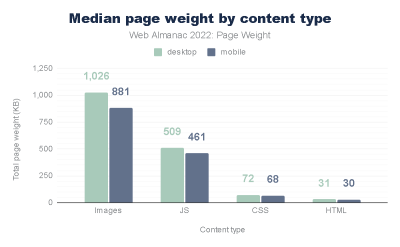
The "digital fat" of a website—unoptimized 4MB high-resolution photos and 15MB background videos—is currently the single largest contributor to page-load energy. Every megabyte transferred from a server to a client requires electricity for transmission, server processing, and client-side rendering.
Data from the HTTP Archive shows that images and video consistently account for the majority of a page’s total weight. However, the industry has seen a massive shift toward modern file formats:
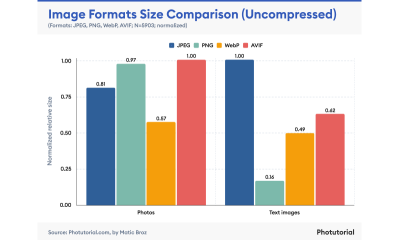
- AVIF and WebP: These formats can reduce image weight by up to 50% compared to traditional JPEGs without a perceptible loss in quality.
- Scalable Vector Graphics (SVG): By replacing high-resolution photography with SVG art and CSS-based gradients, design teams have reported weight reductions of up to 78% on homepages.
- Meaningful Motion: Google’s Material Design guidelines now emphasize "Meaningful Motion," arguing that animation should only be used to orient the user or provide feedback. Heavy JavaScript libraries like GSAP or Lottie are being replaced by hardware-accelerated CSS transitions, which are significantly more efficient for browsers to calculate.
Implementation of Data Budgets and Carbon Accounting
To enforce these sustainable standards, many organizations in 2026 have implemented "Data Budgets." Much like a financial budget, a data budget sets a hard cap on the total size of a page (e.g., a landing page cannot exceed 1MB). This constraint forces design teams to make intentional choices; adding a new tracking script or a custom font weight requires optimizing or removing another asset.
The Sustainable Web Design model, pioneered by firms like Wholegrain Digital, provides a standardized formula to calculate CO2 emissions per page view. Currently, the average website produces approximately 0.5 grams of CO2 per view. For a platform with 1 million monthly views, this equates to 6 metric tons of CO2 annually—the equivalent of driving a gasoline-powered vehicle 15,000 miles. By adhering to a data budget, companies can significantly mitigate this impact.
The Business Case for Eco-Friendly Design
Industry analysts emphasize that Sustainable UX is not merely an environmental gesture but a significant competitive advantage. Sustainable design is synonymous with performance design.
SEO and Visibility:
When page weight is reduced, load times decrease. Improved load times lead to better scores in Google’s Core Web Vitals, which directly influences Search Engine Optimization (SEO) rankings. Faster sites consistently rank higher in search results, driving organic traffic.
Inclusive Design and Global Reach:
Sustainable UX is inherently inclusive. Leaner websites are accessible to users on older hardware or slower data plans, particularly in emerging markets where high-speed fiber optics are not yet universal. By cutting "digital fat," companies can reach a broader global audience that was previously excluded by resource-heavy interfaces.
Conversion and Operational Costs:
Faster interfaces are linked to higher user retention and conversion rates. Additionally, reducing the amount of data transferred lowers hosting and bandwidth costs for the business. This "win-win-win" scenario—benefiting the planet, the user, and the business—has made Sustainable UX a cornerstone of corporate strategy in 2026.
Regulatory Landscape and Industry Reactions
The shift toward sustainable digital practices is also being driven by regulatory pressure. In various jurisdictions, including the European Union, there are ongoing discussions regarding "Digital Product Passports" and transparency requirements for the carbon footprint of digital services.
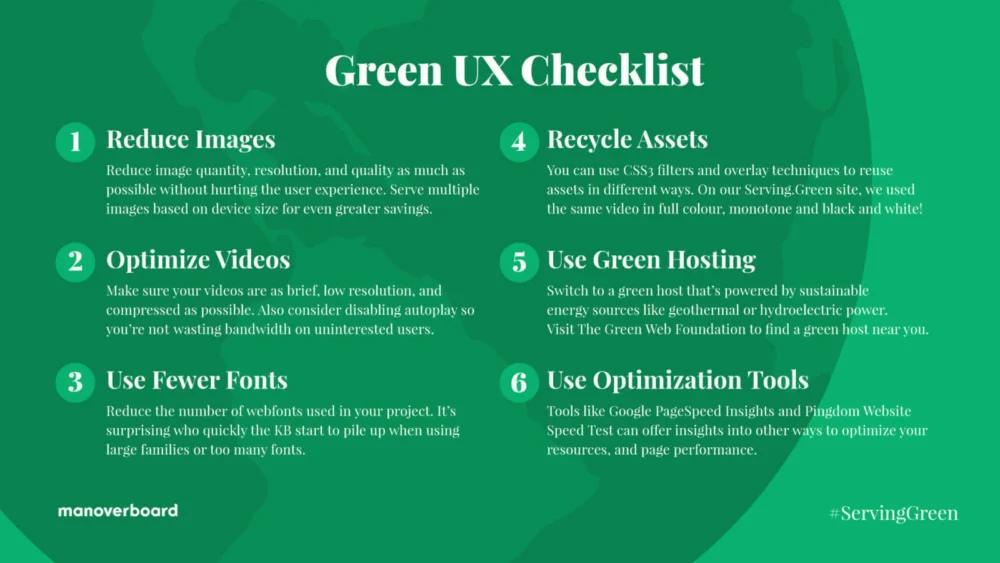
Industry reactions have been largely proactive. Major tech conglomerates have begun integrating carbon calculators into their developer tools, allowing designers to see real-time energy impact assessments during the prototyping phase. The "Green UX Checklist," a resource developed by environmental design advocates, has become a standard reference for project audits, covering everything from server location to font optimization.
Implications for the Future of Design
As the industry moves forward, the definition of sophisticated design is being rewritten. In the 2010s, sophistication was often equated with visual complexity and "wow" factors. In 2026, sophistication is defined by efficiency and the "smallest possible footprint."
Designers are no longer viewed simply as creators of visual interfaces but as guardians of the user’s resources—their battery life, their data plan, and their environmental impact. The era of disposable, bloated design has ended, replaced by a more permanent and respectful digital architecture. The most elegant solutions in the current market are those that achieve maximum emotional resonance and functional utility with the fewest possible bytes.
The move toward Sustainable UX marks a maturation of the design profession. By acknowledging the physical consequences of digital work, the industry is establishing a more resilient and responsible foundation for the future of the internet. The challenge for the coming years will be to maintain this momentum, ensuring that as digital connectivity expands, its environmental impact continues to contract.

