
The Conceptual Framework of the Narrative Arc
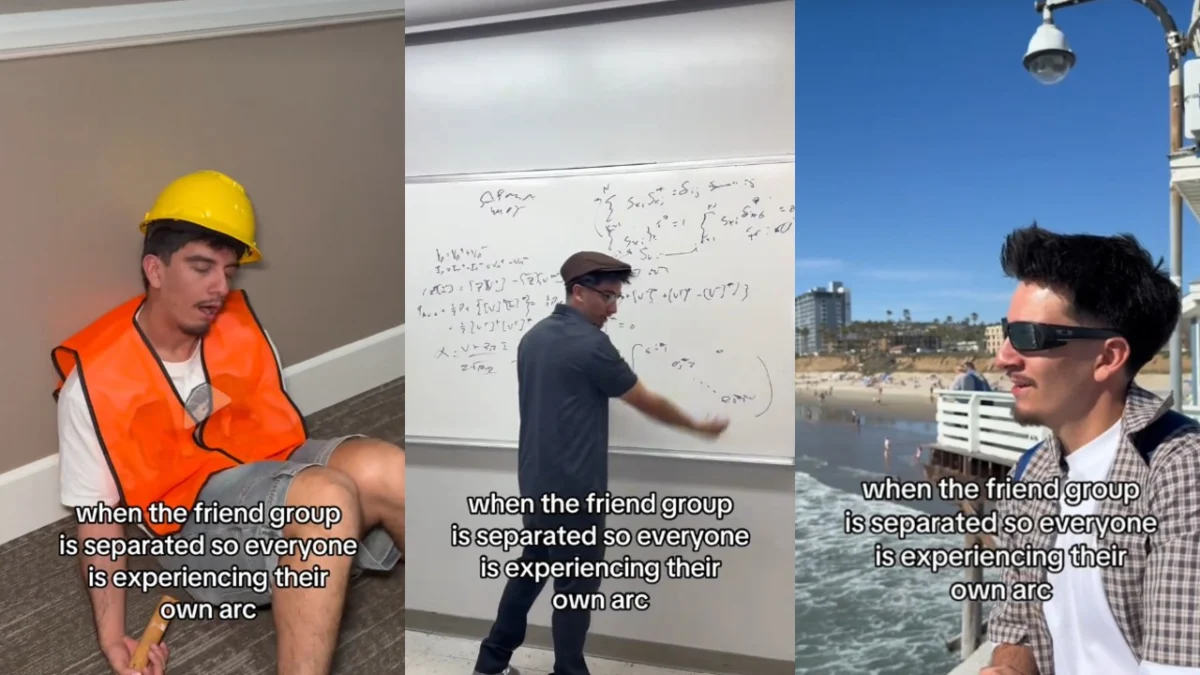
The phenomenon is rooted in the "Main Character" trope, a digital-age psychological framing where individuals view their lives through the lens of a protagonist in a scripted drama. In the context of this specific meme, the "arc" refers to a period of intense individual development that occurs when a primary ensemble cast—the friend group—is split up. This mirrors long-running television series or epic film franchises where the central group must separate to gain new skills, face internal demons, or achieve specific goals before an eventual reunion.
The terminology used in these memes often draws directly from anime culture, specifically the "timeskip" trope. In series like One Piece or Naruto, a timeskip allows characters to train in isolation, returning significantly more powerful. By applying this to real life, users suggest that their time away from their social circle is not a sign of loneliness or social failure, but a necessary "training montage" for the next phase of their lives.
Chronology of the Viral Sensation
The origins of the trend can be traced back to late 2024, a period characterized by a surge in "POV" (Point of View) content that utilized high-production-value skits. On December 18, 2024, TikTok creator @solosin published a seminal video captioned "POV: everyone in the friend group is now doing their own thing (timeskip arc)." In this video, the creator portrayed various archetypal characters within a single friend group, each engaged in vastly different activities: one focused on fitness, another on professional career building, and another on travel. The video struck a chord with the platform’s demographic, amassing over 12 million views within two years and establishing the blueprint for the trend.
Throughout 2025, the format diversified. While the initial videos were largely comedic skits, the trend began to incorporate "photo dumps" and cinematic video edits. By the spring of 2026, the meme saw a massive resurgence as a new wave of creators began using the "Separated Friend Group" caption to document real-life transitions, such as graduating from university or moving to different cities for employment.
On April 10, 2026, TikToker @juiceditup posted an iteration that garnered 2 million views in a matter of months, focusing on the professional "arcs" of friends in the engineering field. This was followed by a viral YouTube upload by creator Linquito in June 2026, which further cemented the trend’s presence on long-form video platforms. By September 2026, the trend had reached peak saturation, exemplified by a video from @lazycps that utilized clips from the Minions film franchise. This specific video, which garnered 4.5 million views in a single week, demonstrated the meme’s versatility, proving that the concept could be applied to existing intellectual property to evoke a sense of "epic" scale.
Analyzing the Aesthetic and Auditory Components
The success of the "Friend Group Arc" meme is heavily dependent on its atmospheric qualities. Most viral versions of the trend utilize specific auditory cues to signal the "solo sequence" trope. Common musical choices include:
- Cinematic Scores: Tracks from Christopher Nolan films or epic anime soundtracks are frequently used to give the mundane actions of the "arc"—such as studying in a library or lifting weights—a sense of monumental importance.
- Melancholic Lo-Fi: For videos focusing on the sadness of separation, creators often opt for slowed-and-reverb versions of popular songs, emphasizing the nostalgia of the "pre-separation" era.
- The "True Detective" Theme: The song "Far From Any Road" by The Handsome Family became a staple for the trend in mid-2026, used to imply a gritty, transformative journey for the individuals involved.
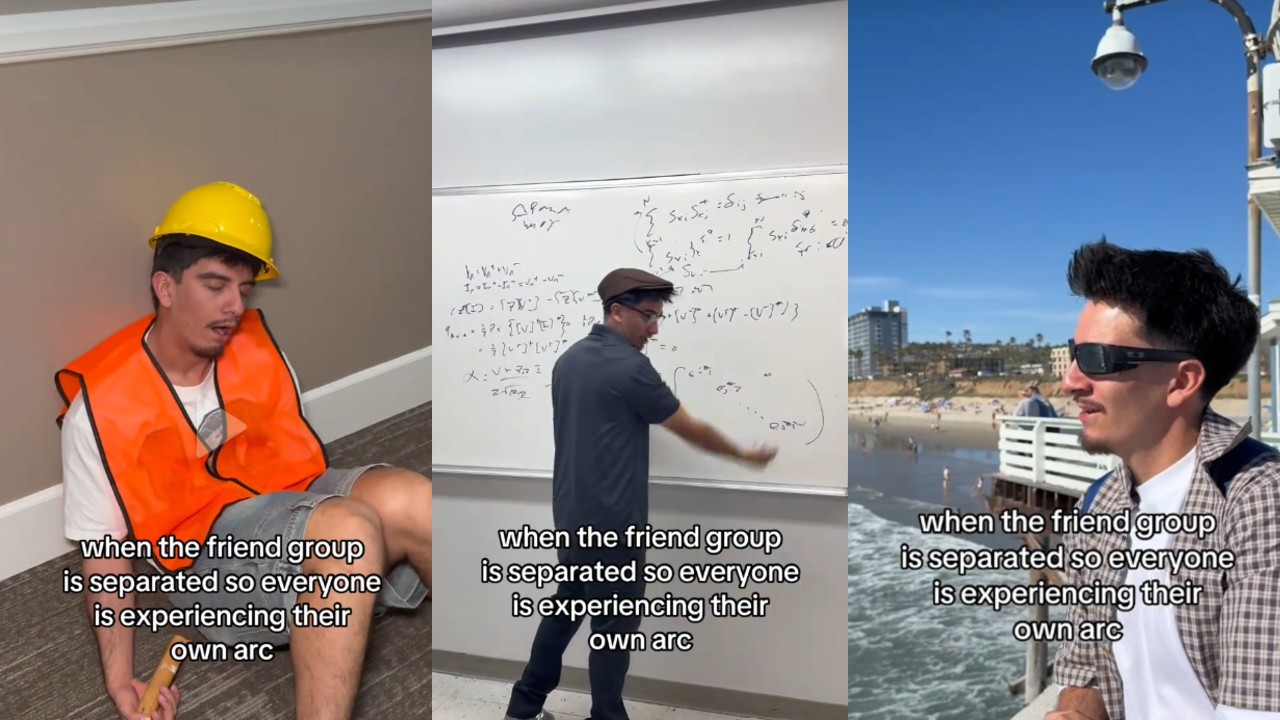
Visually, the memes often employ a split-screen effect or a rapid montage style. One segment might show a friend "grinding" at a corporate job, while the next shows another friend on a spiritual retreat, and a third in a period of "monk mode" (social withdrawal for self-improvement). The juxtaposition of these disparate lives creates a narrative tension that suggests a future "crossover event" or reunion.
Sociological Implications and Digital Identity
Sociologists and digital culture analysts have noted that the "Friend Group Arc" trend serves as a coping mechanism for the "loneliness epidemic" affecting Gen Z and Millennials. By recontextualizing the loss of frequent social contact as a "character arc," individuals are able to maintain a sense of purpose and narrative continuity. It mitigates the sting of social isolation by framing it as a proactive choice for self-betterment.
Furthermore, the trend highlights the "gamification" of personal identity. Life is no longer viewed as a series of random events but as a "canon" of scripted milestones. This phenomenon, often referred to as "Canon Event" logic (inspired by Spider-Man: Across the Spider-Verse), encourages individuals to see their struggles as necessary plot points. When the friend group separates, it is not a tragedy; it is a structural necessity for the "plot" of their lives to progress.
Data and Engagement Metrics
The scale of the trend is reflected in the engagement metrics across major platforms. As of late 2026, the hashtag #FriendGroupArc and its variations have amassed over 500 million combined views. Analytical data suggests that the trend sees its highest engagement during two specific times of the year:
- Late Spring (May-June): Corresponding with graduation seasons, where students move away from their established social circles.
- Early Autumn (September): Corresponding with the start of new academic years or fiscal cycles, often viewed as a "new season" in the life of a creator.
A study of comment sections on these viral videos reveals a high degree of "relatability" tagging. Users frequently tag their own estranged friends, with comments such as "We’re in our solo arcs right now, but the reunion episode is going to go crazy." This indicates that the meme serves as a bridge, allowing friends who no longer speak daily to acknowledge their bond through the shared language of internet culture.
Official Responses and Brand Adoption
While the trend originated organically among independent creators, it was eventually adopted by corporate entities and media brands. Streaming services like Netflix and HBO Max utilized the "Friend Group Arc" format to promote ensemble cast shows, creating edits of series like Stranger Things or Succession that highlighted the characters’ individual journeys during periods of separation.
Fitness brands and "hustle culture" influencers also leaned heavily into the trend. By framing the "gym journey" as a "solo arc," brands were able to market supplements and training programs as essential tools for "character leveling." This intersection of meme culture and commercialism demonstrates how digital narratives can be leveraged to drive consumer behavior by appealing to the user’s desire for a "cinematic" life.
Broader Impact on Content Creation
The "When the Friend Group Is Separated" trend has set a new standard for "POV" content. It has moved the genre away from simple "relatable" jokes toward more complex, multi-layered storytelling. Creators are now expected to consider the "lore" of their digital personas, ensuring that their individual videos fit into a broader narrative framework that their audience can follow over months or years.
This shift has also influenced the way young people document their lives. There is an increasing emphasis on "cinematography" in casual social media posts—using color grading, specific lens filters, and intentional framing to make a simple walk to the grocery store look like a scene from a high-budget drama. The "arc" isn’t just a caption; it is a visual style that has become the default mode of expression for a generation raised on high-definition streaming and episodic storytelling.
Conclusion: The Future of the Solo Sequence
As the "Friend Group Is Separated" trend continues to evolve, it remains a poignant reflection of the modern human condition. In an era of high mobility and digital-first relationships, the physical separation of friend groups is an inevitability. By framing this reality through the lens of a "character arc," social media users have found a way to celebrate individual autonomy without devaluing the importance of the collective.
The trend suggests that while the "ensemble cast" of one’s youth may eventually go their separate ways, the story is far from over. Instead, each individual is simply entering a new chapter, armed with the "power-ups" and "experience points" gained during their time alone. Whether the "reunion arc" ever truly occurs in reality is, for many, secondary to the comfort provided by the narrative itself—the belief that everyone is the hero of their own story, even when the rest of the cast is out of frame.

