
The digital product landscape has undergone a profound transformation over the last decade, shifting from a focus on simple usability to a complex understanding of human psychology. In 2015, the concept of persuasive design emerged as a primary frontier for User Experience (UX) practitioners, moving beyond the mere removal of friction to actively guiding users toward specific outcomes. Today, this field has matured into what is now recognized as behavioral design—a discipline that prioritizes aligning product experiences with the genuine drivers of human behavior through an ethical lens. This evolution reflects a broader industry realization: while usability improvements can reduce bounce rates, they often fail to address the underlying behavioral gaps that lead to low retention and weak user activation.
The Shift from Persuasion to Behavioral Alignment
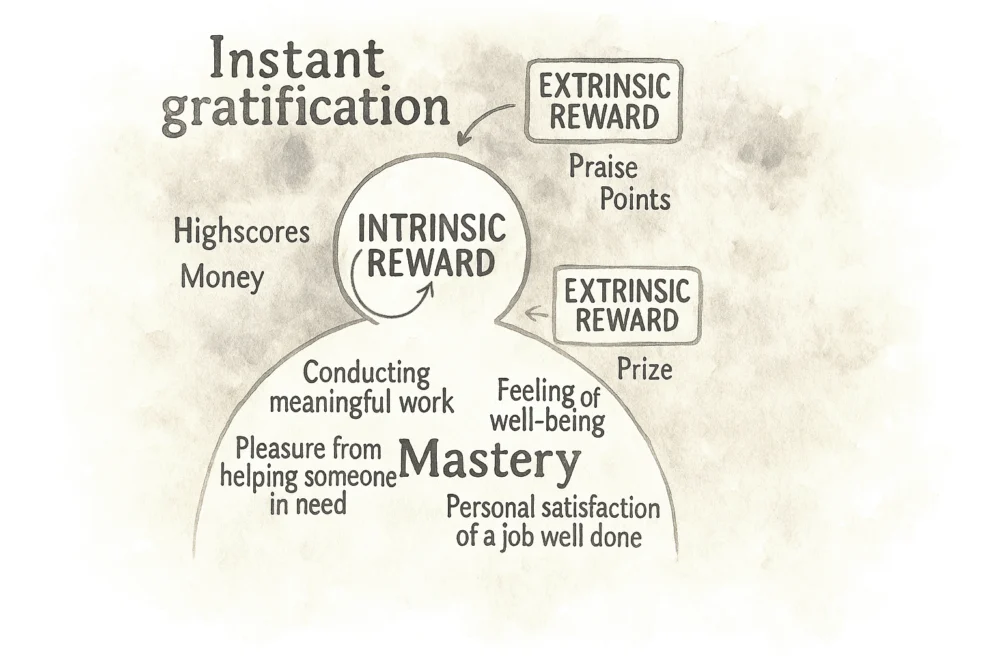
A decade ago, persuasive design was frequently conflated with gamification. Product teams sought to influence behavior by implementing surface-level mechanics such as points, badges, and leaderboards. While these tactics provided short-term lifts in engagement, the industry eventually encountered a "plateau effect." As the novelty of digital rewards faded, users began to ignore mechanics that lacked connection to their personal goals. Industry data from the mid-2010s suggested that while gamified onboarding could increase initial sign-ups by up to 20%, long-term retention often regressed to the mean unless the product provided intrinsic value.
Anders Toxboe, a prominent figure in the UX community and founder of Learning Loop, argues that the maturation of the field has replaced "quick fix" psychology with a deliberate behavioral strategy. This modern approach moves away from isolated "growth hacks" and toward a systematic understanding of what enables or hinders a user’s progress. The goal has shifted from making a product "easy to use" to making it "easy to commit to." This distinction is critical in a saturated market where user attention is the scarcest resource.
A Chronology of Behavioral Science in UX
The trajectory of behavioral design can be traced through several key milestones in the technology sector:
- 2008–2010: The Nudge Era. Following the publication of Nudge by Richard Thaler and Cass Sunstein, behavioral economics entered the mainstream. Tech companies began experimenting with "choice architecture" and default settings to influence user decisions.
- 2011–2014: The Rise of Gamification. Inspired by early successes in fitness apps and Foursquare, many SaaS platforms integrated extrinsic reward systems. This period saw the peak of "points-based" design.
- 2015: The Introduction of Persuasive Patterns. UX practitioners began documenting repeatable psychological patterns, such as social proof and the goal-gradient effect, to move users through funnels.
- 2018–2021: The Ethical Pivot. Amid growing concerns over "dark patterns" and digital addiction, the industry began to self-regulate. The Center for Humane Technology and other advocacy groups pressured designers to move away from manipulative tactics.
- 2022–Present: The Maturity of Behavioral Design. Modern teams now utilize holistic frameworks like COM-B (Capability, Opportunity, Motivation, and Behavior) to diagnose barriers and design for long-term user success rather than short-term clicks.
Supporting Data: Why Usability Alone Fails
Statistical analysis of mobile and web applications reveals a persistent challenge: the "Activation Gap." According to industry benchmarks from platforms like Mixpanel and Andrew Chen, the average mobile app loses nearly 80% of its daily active users within the first three days of installation. Usability improvements, such as simplifying a login screen or reducing page load times, typically address "Ability" in the behavioral equation. However, data suggests that even a perfectly usable interface will fail if "Motivation" is low or the "Opportunity" to act is absent.

Research into Self-Determination Theory (SDT) has further validated this shift. SDT identifies three innate needs—autonomy, competence, and relatedness—as the primary drivers of intrinsic motivation. Products that support these needs, such as language-learning platforms that celebrate mastery rather than just streaks, show significantly higher 90-day retention rates than those relying solely on extrinsic rewards like digital badges.
Frameworks for Modern Behavioral Design: Beyond the Fogg Model
For years, the Fogg Behavior Model (B=MAP) served as the standard for product teams. It posited that behavior occurs when Motivation, Ability, and a Prompt converge. While still relevant, many modern practitioners have moved toward the COM-B model, developed by Susan Michie and colleagues at University College London.
The COM-B model offers a more comprehensive diagnostic tool:

- Capability: Does the user have the physical and psychological skills to perform the behavior?
- Opportunity: Does the environment (both physical and social) allow the behavior to happen?
- Motivation: Does the user have the conscious and unconscious desire to act?
This framework allows cross-functional teams—comprising product managers, designers, and marketers—to share a common language. A drop in conversion is no longer viewed simply as a "design problem" but as a systemic issue that may require educational content (Capability), a change in timing (Opportunity), or a shift in brand trust (Motivation).
A Structured Methodology for Implementation
To move from theory to practice, Toxboe and other experts recommend a structured sequence of workshop exercises designed to uncover behavioral barriers. This methodology ensures that psychological principles are applied to solve real user problems rather than being used as decorative "hacks."
Step 1: Behavioral Empathy Mapping. Teams go beyond "What does the user want?" to ask "What does the user avoid?" This identifies psychological barriers like risk aversion or status quo bias that traditional research might miss.

Step 2: Behavioral Journey Mapping. This involves overlaying psychological forces onto the user journey. By identifying where capability breaks down or motivation fades, teams can pinpoint high-leverage moments for intervention.
Step 3: Behavior Scoring. Not all behaviors are equal. Teams score potential targets based on their impact, the ease of changing the behavior, and the ease of measuring that change. This data-driven prioritization prevents "feature bloat."
Step 4: Idea Generation and Pattern Matching. Only after the problem is diagnosed does the team look at psychological patterns (e.g., progressive disclosure or social proof) to sharpen their solutions. This "context-first" approach prevents the misapplication of psychological theory.

Step 5: Ethical Stress-Testing. In a final "Dark Reality" exercise, teams imagine how their solutions could be misused or lead to unintended negative consequences. This step is essential for maintaining brand integrity and user trust.
Ethical Considerations and the Rise of Deceptive Design Awareness
The distinction between persuasion and deception has become a focal point for regulatory bodies and consumer advocates. The European Union’s Digital Services Act (DSA) and various U.S. state-level privacy laws have begun to target "deceptive patterns"—UI choices that trick users into making decisions they didn’t intend to make, such as "roach motel" subscriptions or hidden costs.
Industry analysts suggest that the "intention of the designer" is no longer a sufficient defense. Accountability is now measured by user outcomes. Behavioral design, when done ethically, creates a "win-win" scenario: the user achieves a personal goal (e.g., saving money, learning a skill), and the business achieves a metric (e.g., retention, revenue). Manipulation, by contrast, creates a "win-lose" scenario where the business gains at the user’s expense, leading to long-term brand erosion and potential legal repercussions.

Broader Impact and the Future of Digital Interaction
As Artificial Intelligence (AI) becomes integrated into behavioral design, the potential for personalized persuasion increases. AI can analyze user patterns in real-time to provide prompts at the most "opportune moments" (a concept known as Kairos). However, this also raises the stakes for ethical practice.
The broader implication for the technology sector is a shift toward "System Thinking." Rather than perfecting a single "happy path" funnel, designers are now building environments that support multiple valid user journeys. This holistic approach recognizes that users have competing goals and varying levels of trust.
In conclusion, the evolution of persuasive design into behavioral design represents a maturing of the UX discipline. By moving away from superficial gamification and toward a strategy grounded in capability, opportunity, and motivation, product teams can build deeper, more resilient relationships with their users. The next decade of digital design will likely be defined by this commitment to user success, where psychology is used not to trap users, but to empower them to reach their desired outcomes.

