
The 2005 FHM Interview and Historical Context
The genesis of this story dates back to May 23, 2005, when FHM Magazine—a publication then at the height of its influence in the "lad mag" market—published a feature interview with Jay Kay. At the time, Jay Kay, born Jason Luís Cheetham, was a prominent figure in the global funk and acid jazz scene, known for his eccentric headwear and high-profile lifestyle. Winona Ryder, conversely, was navigating a transitional period in her career following the intense media scrutiny of the early 2000s.
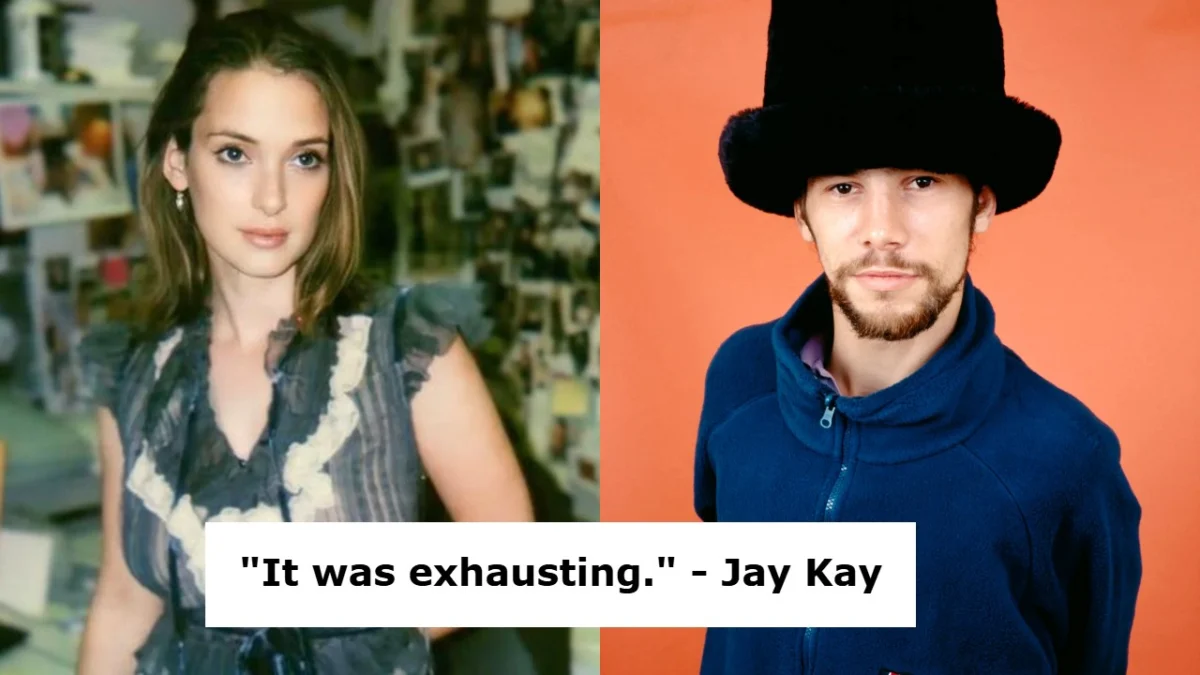
According to reports from the period, including a contemporary summary by the news outlet IOL on May 26, 2005, Jay Kay was remarkably candid regarding his short-lived relationship with Ryder. The singer reportedly characterized the relationship as "exhausting," citing Ryder’s physical presence and her frequent requests for intimacy as the primary reasons for the split. The specific terminology used in the interview—most notably the phrase "play hide the sausage"—became a focal point of the narrative. Jay Kay was quoted as saying, "She has these enormous breasts—bigger than they look on film… She did have this habit of constantly wanting to play hide the sausage. It was exhausting."
This type of commentary was characteristic of the media environment of 2005, where male celebrities were often encouraged by men’s lifestyle magazines to speak disparagingly or graphically about their romantic conquests. The interview served to bolster Jay Kay’s public persona as a "playboy" while simultaneously feeding a tabloid appetite for details regarding Ryder’s private life.
Chronology of the 2026 Viral Resurgence
For nearly two decades, the story remained a niche piece of trivia, occasionally appearing in "listicles" or retrospective articles about Ryder’s dating history. It was notably featured in an October 2024 article on the celebrity news site Nicki Swift, titled "What All of Winona Ryder’s Exes Have Said About Her," which served as a precursor to the 2026 explosion of interest.
The true viral moment occurred on April 29, 2026, when an X (formerly Twitter) user under the handle @ogivus shared the story along with archival photographs of the pair. The post included a commentary that likened Jay Kay’s complaints to a diner complaining that their "steak is too juicy and delicious." This framing—positioning Jay Kay’s grievances as an absurd rejection of "ideal" circumstances—resonated deeply with the platform’s user base. Within 24 hours, the post had accumulated over 14 million views and 50,000 likes, triggering a cascade of secondary reactions and derivative content.
The timeline of the spread on April 29 and 30, 2026, demonstrates the rapid-fire nature of modern meme cycles:
- Morning, April 29: The initial post by @ogivus gains traction, primarily among film buffs and fans of 2000s nostalgia.
- Afternoon, April 29: Political and social commentators begin quoting the post. User @flapprdotnet utilized a controversial meme format involving Donald Trump to satirize Jay Kay’s decision-making, garnering 34,000 likes.
- Evening, April 29: The discourse shifts toward a gender-based analysis. User @BaneThe76451 posted a viral critique of male versus female sex drives, suggesting that many men misjudge their own libidos until faced with a partner who matches or exceeds them. This post earned over 41,000 likes.
- Night, April 29: Visual memes, including "boob shadow" templates and "Yes, Honey" illustrations, began circulating to visualize the "exhaustion" Jay Kay claimed to have suffered.
- April 30: The story transitioned to Instagram, where accounts like millennial_misery reposted the story for a different demographic, ensuring the narrative’s survival across multiple platform ecosystems.
Cultural and Social Analysis of the Reaction
The fascination with the Ryder-Kay breakup in 2026 can be attributed to several sociological factors. First is the subversion of traditional gender expectations. In mainstream media, high libido is frequently portrayed as a male trait, while women are often depicted as the "gatekeepers" of intimacy. Jay Kay’s claim that he was the one "shattered" by the demands of the relationship reverses this trope, leading to a mixture of disbelief, humor, and genuine social commentary from modern audiences.
Furthermore, the reaction highlights a shift in how the public perceives Winona Ryder. In 2005, Ryder was often the subject of tabloid derision. In 2026, following her successful career revival via projects like Stranger Things, she is viewed as a cultural icon. Consequently, the internet’s reaction to the archival story has been overwhelmingly "pro-Ryder," with users framing Jay Kay’s complaints as a failure on his part rather than a flaw in hers.
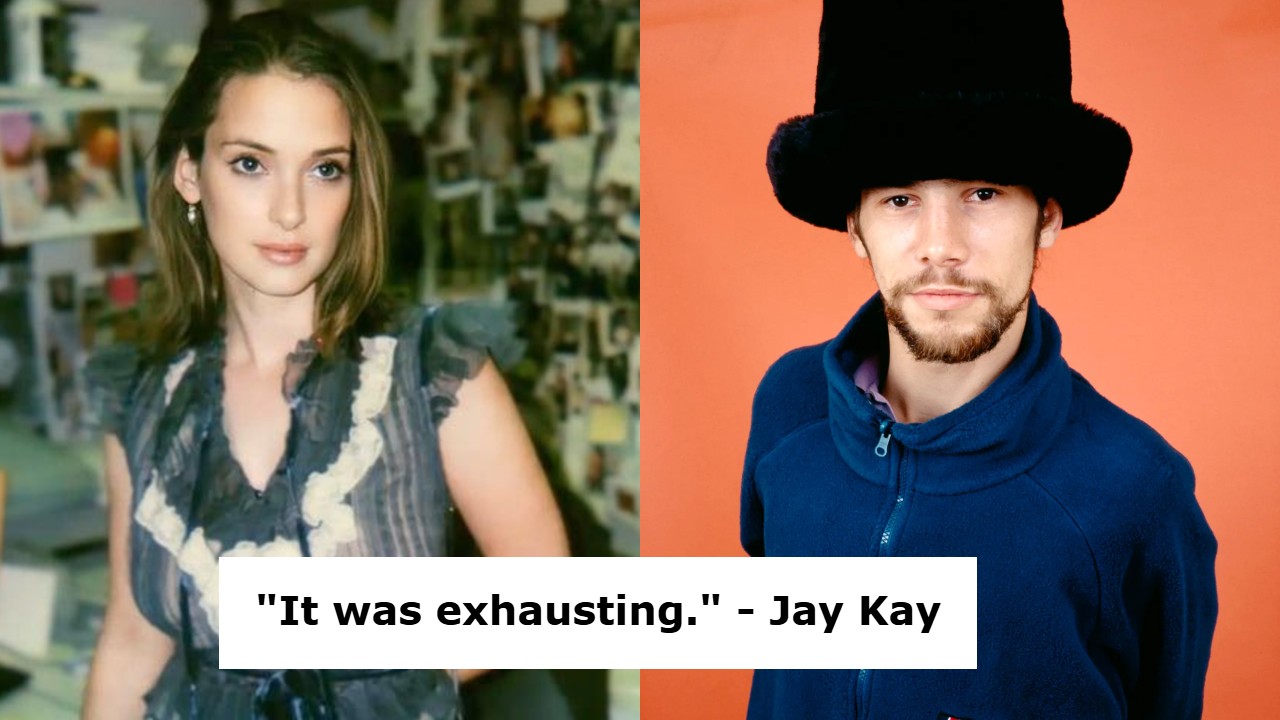
The "steak is too juicy" analogy used by @ogivus is particularly telling. It reflects a contemporary disdain for "complaining about success," a sentiment that has become prevalent in an era of economic and social anxiety. To many observers in 2026, Jay Kay’s 2005 comments represent a peak example of celebrity "first-world problems."
Comparative Media Ethics: 2005 vs. 2026
The resurgence of this story also provides a window into the evolution of media ethics. The original FHM interview was conducted in an era where "kiss and tell" stories were a staple of the industry. There was little pushback against Jay Kay for discussing his partner’s anatomy or their private activities in such a public forum.
In 2026, however, the digital response has been more analytical. While much of the content is humorous, a significant portion of the discourse has touched upon the invasion of privacy and the objectification inherent in Jay Kay’s original comments. The fact that an interview from 21 years ago can be exhumed and used to judge a celebrity’s character in the present day underscores the "permanent record" nature of the internet. For figures like Jay Kay, archival quotes can become modern liabilities, while for Ryder, they can unexpectedly bolster a public image of vitality and agency.
Supporting Data and Search Interest
Data from search engines during the final week of April 2026 showed a massive spike in queries related to "Winona Ryder Jamiroquai," "Jay Kay Winona Ryder relationship," and "FHM 2005 Jay Kay interview." Analytics suggest that the demographic driving this interest is split between Gen Xers who remember the original era of Jamiroquai and Gen Z users who have discovered Ryder through streaming platforms.
The engagement metrics on X and Instagram indicate that the story had a high "shareability" factor due to its combination of celebrity names, suggestive content, and the absurdity of the "too much sex" claim. Unlike many viral stories that fade within hours, this narrative sustained high engagement levels for several days, suggesting it touched on deeper themes of interpersonal compatibility and the myths of male sexual stamina.
Broader Impact and Implications
The "Breasts Too Big, Too Much Sex" breakup story serves as a case study in how the digital age rehabilitates and recontextualizes the past. What was once a throwaway quote in a paper magazine has become a viral manifesto on the complexities of sexual dynamics.
For the entertainment industry, this event illustrates the unpredictable nature of celebrity legacies. It also highlights the power of "curator" accounts on social media—users who mine the past for content that will resonate with current social sensibilities. As long as the internet maintains an accessible archive of 20th and 21st-century media, no celebrity anecdote is truly dead; it is merely waiting for the right meme format to bring it back into the global conversation.
In conclusion, the 2026 viral explosion of the Winona Ryder and Jay Kay breakup story is more than a simple piece of gossip. It is a reflection of how modern society uses the past to negotiate current views on gender, celebrity, and the often-ridiculous nature of public personas. While Jay Kay may have found the relationship "exhausting" in 2005, the internet in 2026 has found the story of his exhaustion to be endlessly revitalizing.

