
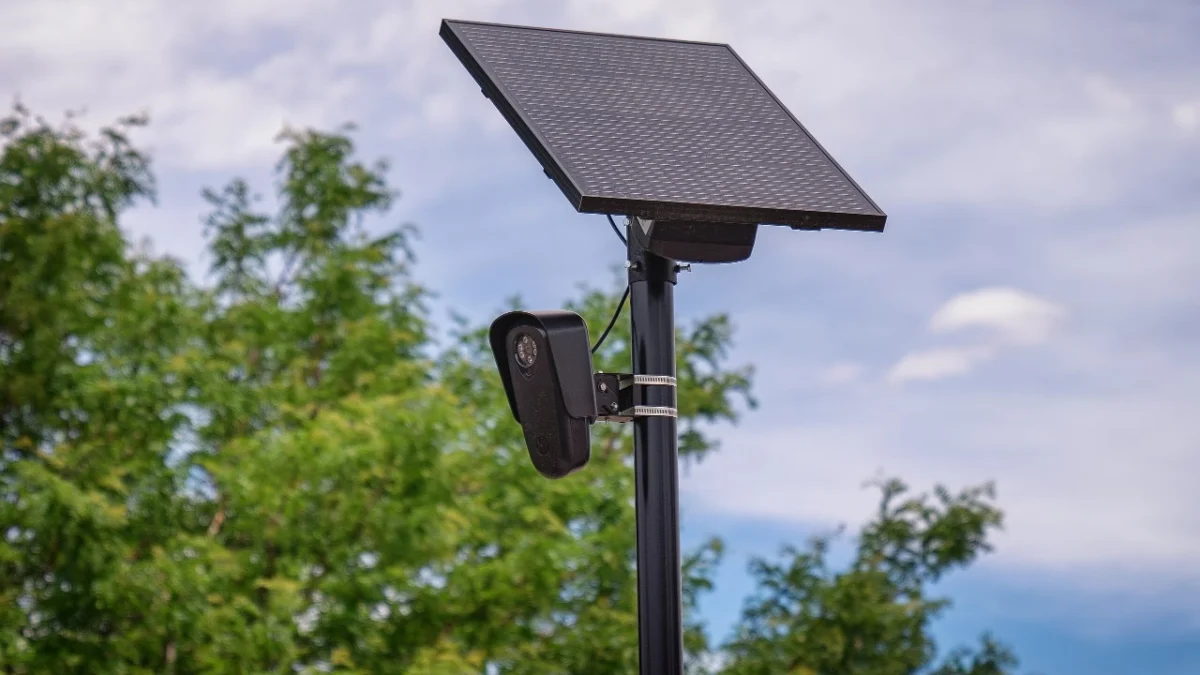
The rapid proliferation of AI-powered traffic surveillance technology has sparked a nationwide debate regarding the balance between public safety and individual privacy, culminating in a decentralized movement known as De-Flock America. At the center of this controversy is Flock Safety, an Atlanta-based technology company whose advanced camera systems have become a staple of modern American policing. While law enforcement agencies credit the technology with solving thousands of crimes, a growing contingent of privacy advocates, civil libertarians, and digital activists argue that the system constitutes an unconstitutional dragnet of mass surveillance. As 2026 draws to a close, this tension has shifted from digital discourse to physical confrontation, with organized efforts to disable or destroy the hardware gaining significant traction across social media platforms.
The Evolution of Flock Safety Technology
Founded in 2017 in Atlanta, Georgia, Flock Safety entered the market with a promise to "eliminate crime" through the use of Automated License Plate Recognition (ALPR) technology. Unlike traditional traffic cameras that merely capture video, Flock’s "Falcon" cameras utilize proprietary machine learning algorithms to create a searchable database of vehicle "fingerprints." The system documents not only license plate numbers but also the make, model, color, and unique identifying features of every passing vehicle, such as roof racks, bumper stickers, or specific types of damage.
In August 2025, the company significantly expanded its technological footprint with the introduction of the "Condor" camera. This updated hardware integrated advanced artificial intelligence capable of autonomous pan, tilt, and zoom functions. The Condor system can identify and track specific subjects in real-time, allowing police departments to maintain a "total coverage" environment. By 2026, Flock Safety’s network had expanded to thousands of cities across the United States, creating a massive, interconnected grid of data that monitors the movement of millions of citizens daily, regardless of whether they are suspected of a crime.
The Mechanism of Surveillance and Data Accessibility
The core of the controversy surrounding Flock Safety lies in the accessibility and storage of the data collected. Information captured by the cameras is uploaded to a cloud-based database where it is typically stored for 30 days, though this retention period varies by jurisdiction. Police officers can search this database using various parameters, such as a partial plate or a vehicle description.
Crucially, the system operates largely outside the traditional framework of judicial oversight. In most jurisdictions, law enforcement officers do not require a warrant to access the Flock database. Instead, they are only required to provide a "stated reason" for their search. This low barrier to entry has led to significant concerns regarding the potential for "mission creep," where technology intended for serious crime prevention is used for low-level monitoring or personal interests. These fears were validated in late 2026 when reports emerged of a police officer being arrested for utilizing the Flock system to stalk an ex-girlfriend, highlighting the lack of robust internal safeguards against the abuse of such powerful tools.
Security Vulnerabilities and Digital Advocacy
The narrative surrounding Flock Safety took a sharp turn in December 2025 when investigative YouTuber Benn Jordan released a viral report detailing significant security flaws within the Flock ecosystem. Jordan, through a series of technical demonstrations, claimed to have gained access to footage from numerous cameras by exploiting unencrypted data streams. His findings suggested that the very technology marketed as a tool for public safety was potentially vulnerable to bad actors, hackers, or foreign intelligence services.
Jordan’s video, which garnered over 1.4 million views, provided a rare look at the system’s capabilities from the perspective of an unauthorized user. He demonstrated how the AI integration could zoom in on highly specific details, including the screens of mobile devices held by passengers inside vehicles. By showing how easily a citizen’s daily movements could be reconstructed through the Flock network, Jordan’s report acted as a catalyst for the burgeoning anti-surveillance movement, shifting the conversation from theoretical privacy concerns to tangible security risks.
A Chronology of Backlash: From Memes to Sabotage
The transition from digital criticism to physical resistance began in earnest during the summer of 2026. Initially, the backlash manifested as "surveillance avoidance" tactics. In August 2026, a social media post featuring a "Pepe Silvia" meme—a reference to the It’s Always Sunny in Philadelphia character’s conspiratorial mapping—went viral. The post described a citizen who had meticulously mapped every Flock camera on their commute to avoid detection. While humorous in tone, the post reflected a growing segment of the population that viewed the cameras as an adversarial presence in their communities.
However, the resistance soon took a more destructive turn. In July 2026, a TikToker known as @nomark.project began posting videos documenting the destruction of Flock cameras in Minnesota. Using the atmospheric cover of wildfire smoke to obscure his movements, the individual argued that his actions were necessary to ensure public safety and freedom from unconstitutional monitoring. These videos received millions of views, inspiring a wave of similar content across Instagram and X (formerly Twitter).
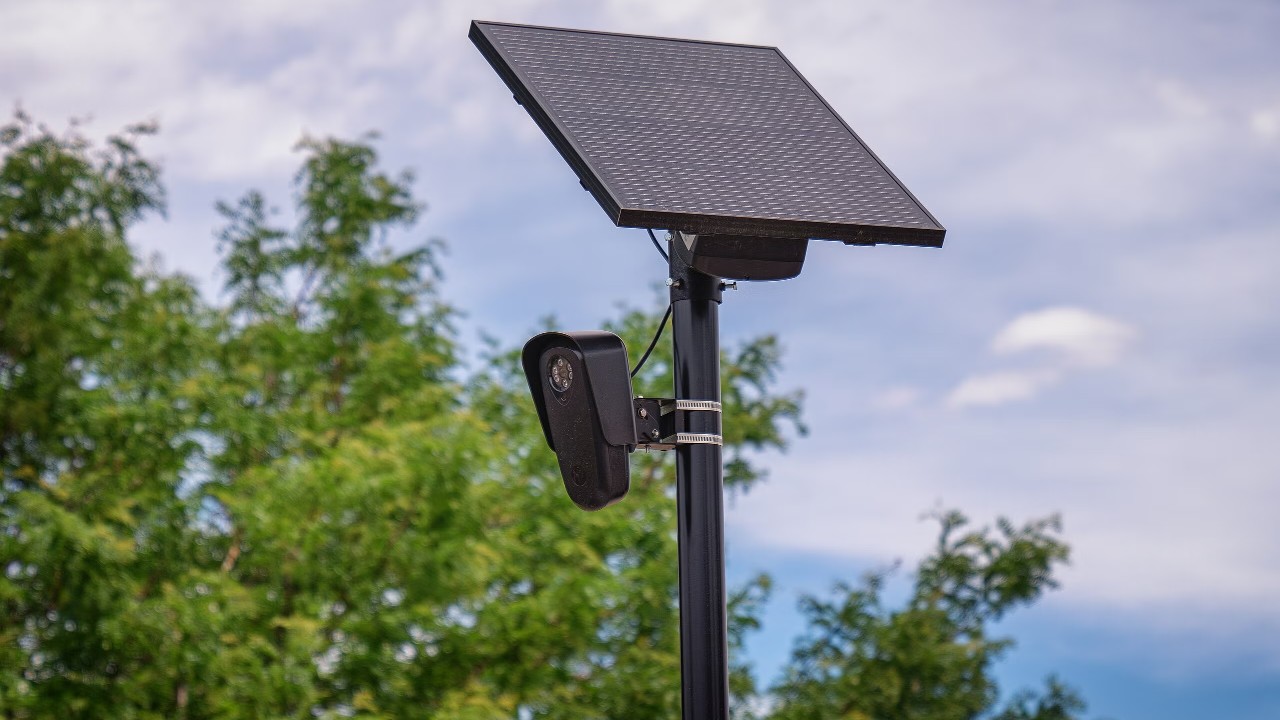
By late August 2026, law enforcement agencies began reporting a spike in vandalism. In Chester County, South Carolina, three teenagers were arrested and charged with the destruction of police property after targeting Flock hardware. Despite the arrests, the momentum of the movement continued to build, fueled by tutorials shared online that provided instructions on how to disable the devices without being identified by the cameras’ AI-tracking features.
The De-Flock America Campaign
The most organized manifestation of this resistance is the "De-Flock America" campaign. Emerging in August 2026, the movement utilized social media to designate Halloween night as a coordinated "day of action." The campaign encourages participants to disable Flock cameras while wearing Halloween costumes, leveraging the holiday’s tradition of masking to circumvent the very facial and object recognition technology the cameras employ.
The movement has been amplified by accounts such as @nowthisimpact, which juxtaposed the campaign with broader political discourse on government overreach. Proponents of De-Flock America argue that the campaign is a form of modern civil disobedience, comparing it to historical protests against perceived government intrusions. They contend that when the legal system fails to regulate invasive technology, the public has a right to "de-install" the surveillance apparatus themselves.
Law Enforcement and Corporate Perspectives
In response to the growing backlash, Flock Safety and its law enforcement partners have maintained a firm stance on the utility and legality of the technology. The company argues that its cameras are a "force multiplier" for understaffed police departments, providing critical leads in kidnappings, carjackings, and homicides. According to Flock Safety, their technology has been instrumental in reducing crime rates in neighborhoods where it is deployed, providing a sense of security to residents who prioritize safety over abstract privacy concerns.
Police departments utilizing the system emphasize that the cameras do not use facial recognition and only track vehicles in public spaces where there is no "reasonable expectation of privacy." They argue that the data is encrypted (contrary to some activist claims) and that strict auditing processes are in place to prevent officer misconduct. Officials have characterized the De-Flock America campaign as a dangerous trend that jeopardizes public safety and results in the destruction of taxpayer-funded equipment.
Legal and Societal Implications
The conflict over Flock cameras represents a significant legal frontier in the United States. While the Supreme Court has previously ruled on the use of GPS tracking (United States v. Jones) and cell site location data (Carpenter v. United States), the continuous, automated tracking of vehicles via a nationwide AI network presents a new set of challenges to Fourth Amendment protections.
Legal analysts suggest that the "aggregate effect" of thousands of cameras may eventually be viewed by courts as a violation of the right to be free from warrantless searches. If the government can reconstruct a person’s entire life—their medical visits, religious affiliations, and political meetings—simply by querying a vehicle database, the traditional distinction between "public" and "private" space may become obsolete.
Furthermore, the social implications of a "surveillance-aware" citizenry are profound. The rise of the De-Flock movement suggests a deepening rift between the technological capabilities of the state and the consent of the governed. As citizens increasingly adopt counter-surveillance measures, the "cat-and-mouse" game between AI developers and privacy activists is likely to accelerate, leading to more sophisticated tracking methods and, conversely, more creative forms of resistance.
Conclusion
The controversy surrounding Flock Safety cameras serves as a microcosm of the broader tensions defining the AI era. As of late 2026, the De-Flock America movement continues to grow, posing a direct challenge to the rapid expansion of police technology. Whether the issue is resolved through legislative reform, judicial intervention, or continued civil unrest, the debate over Flock cameras has permanently altered the conversation regarding the presence of AI in the American public square. The outcome of this struggle will likely set the precedent for how future surveillance technologies—from drone swarms to biometric sensors—are integrated into or rejected by society.

