
April 2026 presents a rich tapestry of potential themes for ecommerce content marketers, offering a diverse range of topics from the nostalgia-inducing celebration of technological milestones to the universally appealing world of food and beverage. Content marketing, the strategic creation, distribution, and promotion of valuable media like articles, videos, and podcasts, serves as a crucial tool for businesses to attract, engage, and cultivate lasting relationships with their customer base. As the calendar turns to April, forward-thinking businesses can leverage several key events and anniversaries to craft compelling narratives and connect with their target audiences.
Apple’s Golden Jubilee: Fifty Years of Innovation and Cultural Impact
April 1, 2026, marks a significant milestone: the 50th anniversary of Apple Computer’s founding. Established in 1976 by Steve Jobs and Steve Wozniak in a humble garage, Apple has transcended its origins to become a global titan, profoundly influencing personal computing, mobile technology, and even broader cultural trends. Its ubiquitous presence and iconic status make it one of the most recognizable brands worldwide.
The upcoming anniversary is expected to trigger a wave of retrospectives across various media outlets, delving into the company’s storied history, the visionary leadership of Steve Jobs, and the transformative products that have reshaped daily life. For content marketers, this presents a prime opportunity to align their strategies with a universally recognized narrative of innovation and disruption.
Chronology of Apple’s Impact:
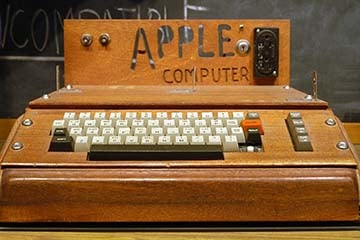
- April 1, 1976: Apple Computer is founded.
- 1977: Introduction of the Apple II, a pivotal personal computer that brought computing into homes and schools.
- 1984: Launch of the Macintosh, revolutionizing user interface design with its graphical operating system and mouse.
- 1998: The return of Steve Jobs and the introduction of the iMac, marking a design and marketing resurgence for the company.
- 2001: Debut of the iPod, which fundamentally altered the music industry and portable electronics.
- 2007: The unveiling of the iPhone, a device that redefined the smartphone and ushered in the mobile era.
- 2010: Introduction of the iPad, popularizing the tablet computer format.
- 2026: Celebration of Apple’s 50th anniversary, reflecting on its legacy and future trajectory.
Businesses can tap into this narrative by exploring themes such as the evolution of personal technology, the impact of design on consumer adoption, or the lessons learned from Apple’s enduring brand loyalty. For instance, a technology retailer could create content exploring the journey from early Apple computers to modern devices, highlighting the technological leaps and design philosophies that have guided Apple’s success. An apparel brand might draw parallels between Apple’s minimalist design aesthetic and its own product philosophy. Educational platforms could offer courses on the history of computing, using Apple’s story as a central case study. The sheer breadth of Apple’s influence allows for a multitude of creative content angles, from deep dives into specific product innovations to broader discussions on the societal impact of technology.
National Burrito Day: A Culinary Celebration of Global Reach
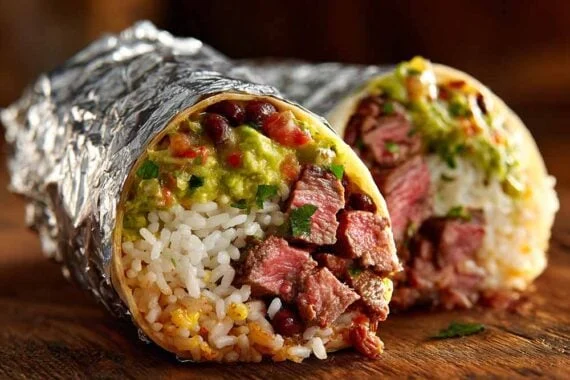
The first Thursday in April, which falls on April 2nd in 2026, is celebrated as National Burrito Day. This informal holiday honors the beloved and versatile Mexican dish that has become a staple across the globe. The burrito, translating to "little donkey" in Spanish, is believed to have originated in the northern Mexican states of Sonora or Chihuahua. Its ingenious design, utilizing wheat flour tortillas to encase fillings like beans, meat, or potatoes, provided a convenient and portable meal solution for laborers.
This portability proved instrumental in its migration to the United States. Early 20th-century Mexican laborers brought the burrito with them, and by 1930, it made its first documented appearance on a restaurant menu at El Cholo Spanish Café in Los Angeles. The burrito continued its evolution in America, with notable developments including the invention of the first frozen burrito by Duane R. Roberts in 1956 and the creation of the "mission-style" burrito—a larger, foil-wrapped creation—by El Faro restaurant in 1961. The "California burrito," a popular regional variation, further showcases the dish’s adaptability by incorporating ingredients like carne asada, French fries, cheese, guacamole, and sour cream.
Data Point: The Burrito Market
The global market for Mexican food, including burritos, has seen substantial growth. Reports indicate that the fast-casual Mexican segment alone is valued in the tens of billions of dollars annually, with continuous expansion driven by consumer demand for convenient, flavorful, and customizable options. This demonstrates the widespread appeal and economic significance of dishes like the burrito.
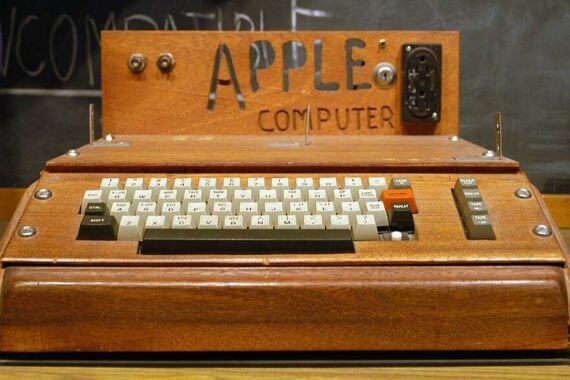
The adaptable nature of the burrito makes it an ideal theme for a wide range of ecommerce merchants. A food delivery service could highlight local burrito joints, offering special promotions for National Burrito Day. A kitchenware retailer might feature recipes and essential tools for making authentic burritos at home, from tortilla presses to specialized serving dishes. A specialty food store could curate a "burrito kit" with premium ingredients like artisanal salsas, high-quality beans, and unique spice blends. Even businesses not directly related to food can find creative connections. For example, a travel company could create content exploring the regional origins of the burrito and inspire travel to Mexico, while a beverage company could pair different beers or aguas frescas with various burrito fillings. The key lies in connecting the universal appeal of this comfort food to the merchant’s specific product offerings and brand identity.
Harnessing Google Discover: A Strategic Approach for April 2026
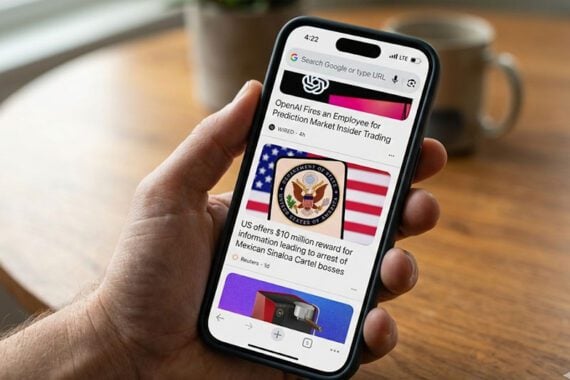
Google Discover, a feature that presents content tailored to individual user interests rather than direct search queries, represents a significant, albeit sometimes understated, channel for driving traffic to ecommerce sites. Unlike traditional search engine optimization (SEO), which focuses on explicit keywords, Discover prioritizes fresh, visually appealing content that demonstrates topical authority and high user engagement.
Analysis of Google Discover Trends:
Research from platforms like Search Engine Land indicates that content performing well on Google Discover often features:
- High-quality imagery and video: Visually striking content captures attention.
- Timeliness and relevance: Covering current events or trending topics.
- Expertise and authority: Demonstrating deep knowledge within a niche.
- Engagement signals: Content that encourages clicks, shares, and time on page.
In April 2026, businesses can strategically leverage Google Discover by conducting targeted optimization tests. Merchants with an existing presence on Google Discover can access their Search Console data to identify pages that have generated traffic from this source. An analytical approach would involve using AI models, such as ChatGPT or Gemini, to examine these high-performing articles. By prompting these AI tools to identify common themes, recurring topics, or recognizable patterns in the content and its presentation, marketers can gain valuable insights into what resonates with the Discover audience. This analysis can inform future content creation, ensuring that new articles are designed to capture the interest of this dynamic discovery engine.
For instance, a fashion retailer might analyze their Discover-referred content to see if articles on sustainable fashion trends, celebrity style inspirations, or seasonal wardrobe guides have performed best. This would inform the creation of more content in those areas, perhaps focusing on visually rich lookbooks or "how-to" guides for spring fashion. Similarly, a home goods store might discover that content related to DIY home decor projects or seasonal cleaning tips garners the most engagement, prompting them to produce more such content. The proactive analysis of Discover data allows businesses to refine their content strategy, aligning it with user interests and maximizing visibility on this influential platform.
National Beer Day: A Toast to Tradition and Modern Palates
April 7th marks National Beer Day, a commemoration of the Cullen-Harrison Act of 1933. This landmark legislation, enacted on the same day, legalized the sale of beer with an alcohol content of 3.2%, effectively signaling the end of the Prohibition era in the United States. Since its repeal, beer has solidified its position as one of America’s most beloved beverages, with consumption patterns and preferences evolving significantly over the decades.
Historical Context of Beer and Prohibition:
- Pre-Prohibition Era: Beer was a widely consumed beverage, integral to social life and local economies.
- 1920-1933: The Volstead Act enforced national Prohibition, leading to widespread illegal production and consumption, and significant economic disruption for the brewing industry.
- April 7, 1933: The Cullen-Harrison Act is signed into law, allowing the sale of 3.2% ABV beer, a move that was met with widespread public celebration.
- December 5, 1933: The 21st Amendment is ratified, repealing Prohibition entirely and allowing for the full re-establishment of the legal alcohol industry.
Beyond its sheer volume of consumption, beer has become a sophisticated expression of regional identity, culinary tradition, and individual taste. The landscape of beer has expanded dramatically from light lagers to a vast array of craft styles, including complex IPAs, rich stouts, and artisanal ales. This rich diversity makes National Beer Day a remarkably versatile content hook for ecommerce content marketers.
The cultural significance of beer extends into numerous facets of life, including sports, travel, gastronomy, and lifestyle. This breadth allows for creative content integration across various industries. For example:
- Apparel Brands: Could create content exploring the history of brewery logos, vintage beer advertisements as design inspiration, or curate collections of apparel suitable for outdoor gatherings or sporting events where beer is often enjoyed.
- Food Retailers: Might develop recipes that incorporate beer as an ingredient, create pairings of craft beers with specific cheeses or charcuterie, or offer curated gift baskets for beer enthusiasts.
- Outdoor Gear Companies: Could produce content highlighting the perfect beers to enjoy after a hike or camping trip, or feature gear essential for brewery tours and outdoor festivals.
- Travel Agencies: May develop itineraries centered around craft brewery tours in popular beer-producing regions or highlight destinations known for their unique beer culture.
The key is to connect the celebratory and cultural aspects of beer to the merchant’s product set, demonstrating how their offerings enhance the beer-drinking experience or align with the lifestyle of beer enthusiasts. This can foster a deeper connection with customers by tapping into shared interests and traditions.
National Zipper Day: Celebrating a Functional Innovation
April 29th commemorates National Zipper Day, a recognition of the invention that revolutionized countless products: the modern zipper. On this date in 1913, American engineer Gideon Sundback patented his "Hookless Fastener No. 2," which laid the groundwork for the ubiquitous zipper we know today. While seemingly a simple mechanical device, the zipper represented a significant leap forward in fastening technology, offering a more efficient and reliable alternative to buttons and hooks.
The Zipper’s Journey from Innovation to Ubiquity:
- Early Prototypes: Elias Howe Jr. patented an early version of a slide fastener in 1851, but it did not gain commercial traction.
- Gideon Sundback’s Breakthrough: Sundback, working for the Universal Fastener Company, improved upon earlier designs, creating a more robust and practical interlocking system. His "Hookless Fastener No. 2" featured intermeshing teeth that could be reliably opened and closed with a single slider.
- Initial Adoption: The fastener was first marketed in 1914 for rubber boots, with the name "zipper" coined by B.F. Goodrich in 1923 for a galosh shoe.
- Expansion into Apparel and Beyond: Over the following decades, the zipper’s applications expanded rapidly. It became a standard feature in clothing, transforming the design and ease of use of garments. Its durability and convenience also led to its adoption in luggage, bags, tents, sleeping bags, and various other products, becoming an indispensable component in modern manufacturing.
For content marketers with products that feature zippers, National Zipper Day presents a compelling opportunity to highlight craftsmanship, durability, and design innovation. This could involve:
- Apparel and Fashion Retailers: Creating content that details the types of zippers used in their garments, explaining their quality and functionality. They could explore the history of zippers in fashion, showcase how zippers contribute to garment design and fit, or even run promotions emphasizing the reliability of their zippers.
- Luggage and Bag Manufacturers: Producing articles or videos that demonstrate the strength and security of their zippers, perhaps detailing testing procedures or the engineering behind their fastening systems. Content could also focus on how high-quality zippers enhance the user experience and longevity of their products.
- Outdoor and Sporting Goods Companies: Highlighting the importance of robust, weather-resistant zippers in their tents, backpacks, and outdoor apparel. Content could explain how specific zipper designs ensure protection from the elements and ease of access in challenging conditions.
By focusing on the practical benefits and the engineering behind the zipper, businesses can educate consumers about the value of quality components and reinforce their commitment to producing durable, well-made products. This approach not only celebrates a significant invention but also provides tangible reasons for consumers to trust and invest in the merchant’s offerings.

