
The gap between what consumers say and how they ultimately behave remains one of the most significant hurdles in modern product development and user experience (UX) design. While many corporations operate under the assumption that they possess a clear understanding of their target demographic, industry analysis suggests that most product decisions are rooted in speculative hunches rather than empirical evidence. To address this misalignment, a growing movement within the design community advocates for a multi-layered approach to research, moving beyond surface-level feedback to uncover the hidden motivations and root causes that drive human interaction with digital interfaces.
The Crisis of Assumption in Product Design
In the current digital economy, the cost of miscalculating user needs is high. Research from the Harvard Business School suggests that approximately 95% of new products introduced each year fail, often because companies misunderstand the fundamental "jobs" users are trying to accomplish. Traditionally, organizations have relied on quantitative metrics and direct surveys to gauge satisfaction. However, experts argue that these methods often capture a distorted reality.
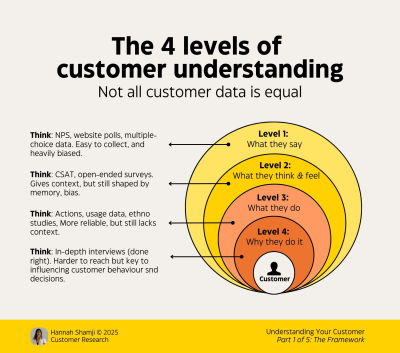
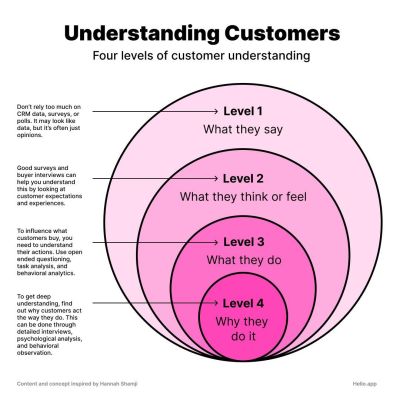
The fundamental issue lies in the discrepancy between four distinct layers of user interaction: what people say, what they think or feel, what they actually do, and why they do it. This framework, popularized by researcher Hannah Shamji, suggests that true customer understanding requires "triangulation"—the process of cross-referencing data from multiple sources to identify contradictions and hidden truths. When companies rely solely on the outermost layer—what users say—they risk building features based on aspirational statements rather than functional necessity.
The Chronology of UX Research Methodologies
The transition toward a deeper understanding of user behavior has evolved over several decades. In the 1990s, the focus of "usability" was primarily functional, centered on whether a user could complete a task without error. By the early 2000s, the rise of "User-Centered Design" (UCD) shifted the focus to the emotional experience of the user.
In the 2010s, the industry saw the widespread adoption of the Net Promoter Score (NPS) as a primary metric for customer loyalty. While NPS provided a simple numerical value for "willingness to recommend," it failed to explain the behavioral drivers behind that number. Today, the industry is entering a "Behavioral Diagnosis" era. This current phase prioritizes observational data and mixed-method research, acknowledging that human beings are often "predictably irrational" and unable to accurately self-report their own motivations.
The Fallacy of Direct Questioning
A critical turning point in modern research theory is the rejection of the "burning question" approach. Erika Hall, a prominent voice in design research and co-founder of Mule Design, posits that asking a user a question directly is often the least effective way to obtain a truthful answer. This is attributed to several psychological factors:
- Social Desirability Bias: Users often provide answers they believe the researcher wants to hear or answers that make them appear more competent or moral.
- Contextual Misinterpretation: Users apply their own internal context to a question, which may differ significantly from the researcher’s intent.
- Focus on Edge Cases: When asked about needs, users frequently prioritize rare, hypothetical scenarios over the routine tasks they perform daily.
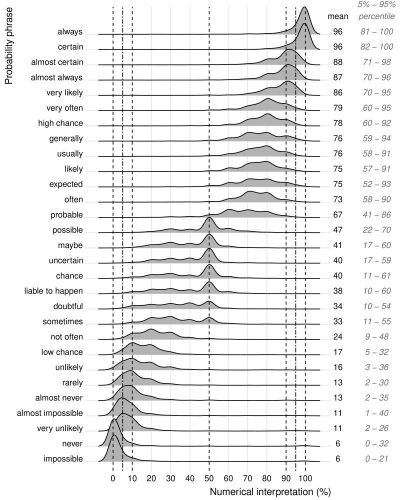
Supporting data from linguistic studies further complicates the reliance on verbal feedback. A study on Dutch verbal probability terms, cited by researcher Thomas D’hooge, demonstrated that words like "possible," "likely," and "probable" have vastly different numerical interpretations across individuals. For instance, one user might interpret "likely" as a 60% probability, while another views it as 90%. This ambiguity suggests that verbal feedback is a "noisy" data source that requires rigorous filtering.
From Sympathy to Compassion: The Empathy Spectrum
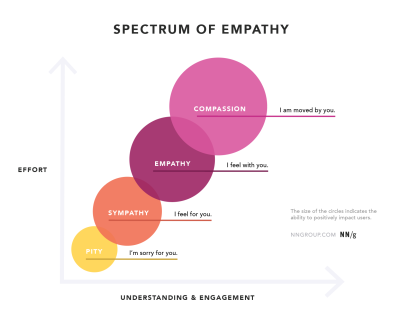
Capturing the emotional state of a user is essential for building resonance, yet it remains one of the most difficult aspects of research to quantify. Sarah Gibbons of the Nielsen Norman Group (NN/g) defines the progression of user understanding as a spectrum moving from pity and sympathy to empathy and compassion.
While sympathy involves acknowledging a user’s struggle, empathy requires a deep, shared understanding of their experience. However, the industry is now seeing a push toward "compassion"—a state where the designer not only understands the user’s pain but is actively driven to solve the underlying problem. This distinction is vital; as designer Alin Buda argues, the goal of UX is not merely to "emote" with the user but to perform the technical and analytical work necessary to alleviate their friction.
To capture these nuances without disrupting the user, researchers are moving away from traditional "think-aloud" protocols. Historically, users were asked to narrate their thoughts while performing a task. Modern analysis suggests this is disruptive, as the cognitive load of speaking interferes with the natural problem-solving process. Instead, contemporary researchers favor silent observation, tracking micro-behaviors such as mouse hovers, scrolling patterns, and facial expressions (e.g., furrowed brows or sighs) to identify points of frustration.
The Shift from Validation to Diagnosis
One of the most significant cultural shifts required in the corporate world is the abandonment of the term "validation." According to UX researcher Nikki Anderson, the word "validation" implies a search for evidence that supports a pre-existing bias. When a team seeks to "validate" a feature, they are often subconsciously ignoring data that suggests the feature is unnecessary or flawed.
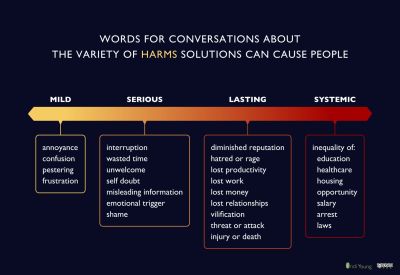
The professional journalistic and scientific alternative is "diagnosis" or "investigation." By reframing research as an investigation, teams are encouraged to look for risks, doubts, and potential harms. Indi Young, a pioneer in empathy-based research, emphasizes that different solutions can cause varying levels of harm—ranging from mild annoyance to systemic exclusion. A diagnostic approach allows companies to uncover these risks before they reach the market.
Practical Strategies for Corporate Integration
To bridge the gap between research and implementation, several practical initiatives have emerged to help organizations expose user struggles to their entire workforce. These include:
- Support Shadowing: Encouraging engineers and designers to spend time in customer support roles to hear directly from frustrated users.
- User Struggle Archives: Creating short, edited video clips of user sessions where individuals encounter significant friction, and sharing these in company-wide newsletters or meetings.
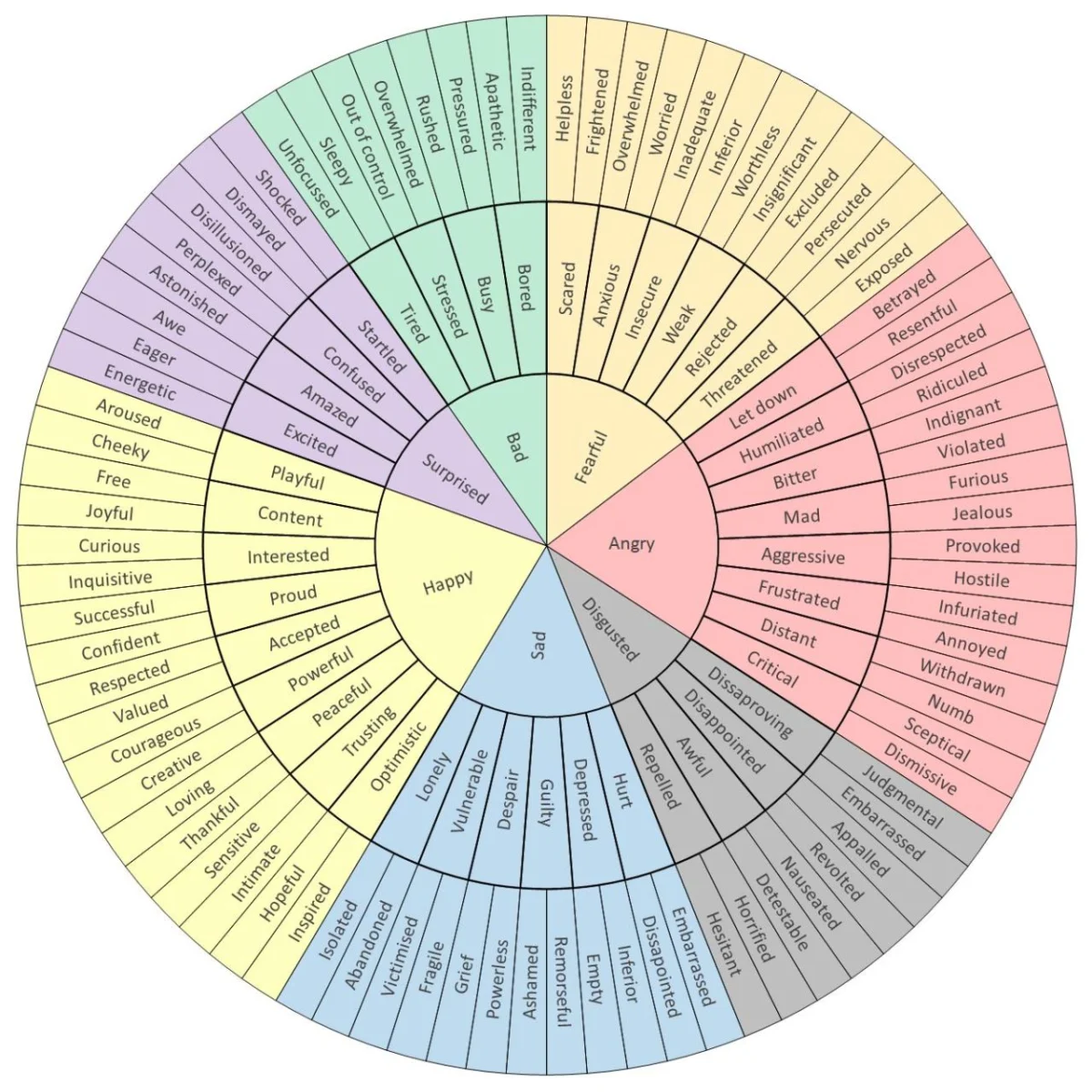
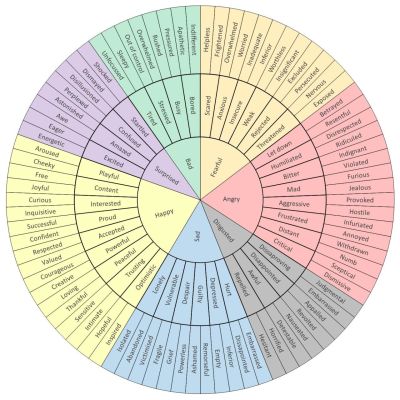
- The Emotion Wheel: Utilizing tools like Geoffrey Roberts’ Emotion Wheel to help users and researchers move beyond generic descriptors like "good" or "bad" and identify specific sentiments such as "overwhelmed," "skeptical," or "empowered."
- Mirroring and Paraphrasing: Using hostage negotiation techniques—such as repeating the last few words a user said—to encourage them to expand on their thoughts without the researcher injecting their own bias.
Broader Implications for the Tech Industry
The move toward deep customer understanding has implications that extend far beyond the design department. For marketing teams, it means shifting from aspirational messaging to addressing the actual "pain points" revealed through observation. For engineering teams, it provides a clearer roadmap of what to build, reducing the "technical debt" created by developing features that users ultimately ignore.
Furthermore, as Artificial Intelligence (AI) becomes more integrated into user interfaces, the need for behavioral diagnosis will only increase. AI systems rely on data patterns, but without a human-centered understanding of "why" those patterns exist, these systems risk automating and scaling existing UX flaws.
Conclusion: The ROI of Depth
The ultimate objective of moving through the four levels of customer understanding—Say, Think, Do, and Why—is to replace hunches with actionable intelligence. While surface-level feedback is easy to collect, it is often misleading and expensive to follow. Deep research, though more time-consuming, provides a competitive advantage by ensuring that product development is aligned with the messy, noisy, and often contradictory reality of human behavior.
By prioritizing observation over interrogation and diagnosis over validation, companies can move beyond the "big assumptions" that lead to product failure. In a market where user expectations are at an all-time high, the ability to truly understand the underlying motivations of a customer is no longer a luxury—it is a prerequisite for survival. True impact in UX is measured not by how well a company listens to its users, but by how accurately it interprets the silence between their words.

