
The evolution of digital product design has moved significantly beyond the structural arrangement of pixels and the implementation of standard UI patterns. In a contemporary landscape where functional parity is common among competing software, the differentiator has become the emotional journey of the user. Alan Cohen’s recent exploration into the concepts of Emotion in Flow and Emotion in Conflict provides a critical framework for understanding how pacing and emotional resonance dictate the success or failure of a digital experience. By drawing parallels from high-performance entertainment—specifically the rhythmic pacing of modern anime like Dan Da Dan and the tonal challenges found in recent superhero cinema—designers can identify practical patterns to ensure user immersion remains unbroken.
The Core Framework: Defining Emotional Dynamics in Design
At the heart of this analysis are two diametrically opposed concepts that govern how a user processes a sequence of events within an application or interface. Emotion in Flow describes a state where emotional shifts are earned, telegraphed, and timed in a way that resolves prior psychological beats. In this state, the user remains immersed, and transitions between different states—such as moving from the anxiety of a high-stakes task to the relief of a successful completion—feel natural and coherent.
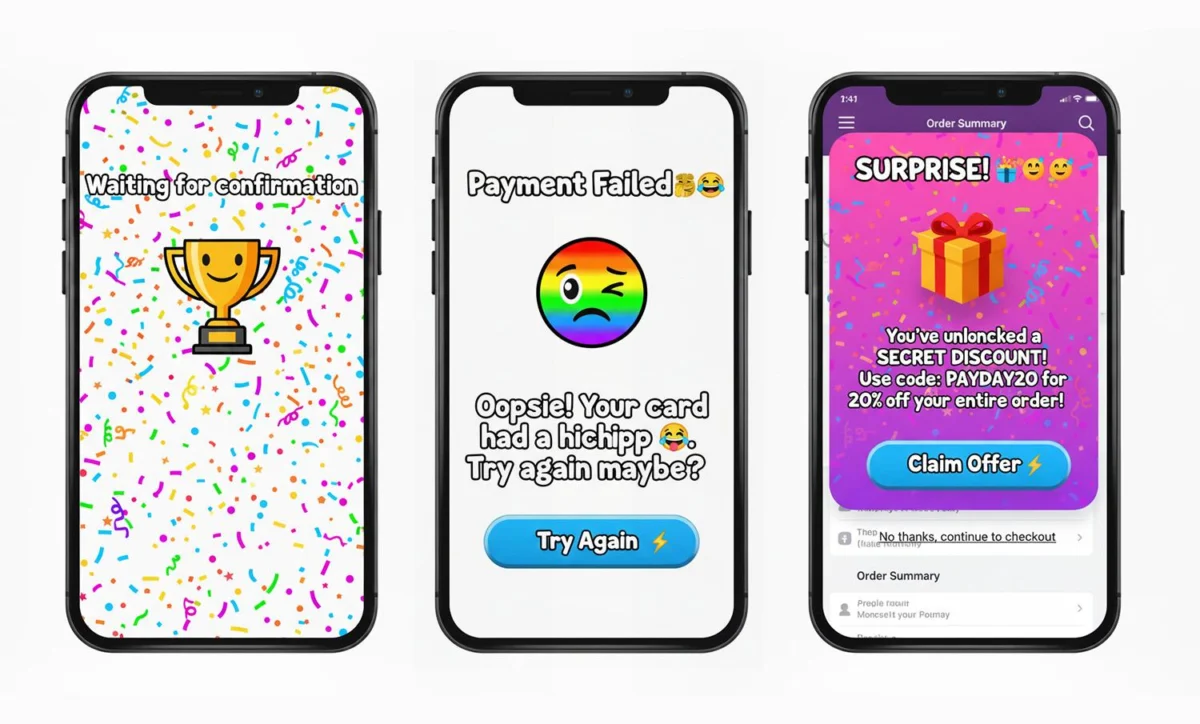
Conversely, Emotion in Conflict occurs when a jarring switch or a "hard cut" in tone punctures an active emotional beat. This often manifests as an ill-timed joke, a surprise pop-up, or a jumpy transition that forces the user to recalibrate their mental state mid-task. In entertainment, this is often referred to as "bathos"—the sudden shift from the sublime to the ridiculous—which, if handled poorly, can alienate the audience. In product design, this translates to increased cognitive load and a breakdown of user trust.
A Comparative Analysis: Dan Da Dan vs. Modern Superhero Cinema
To understand these concepts in practice, one must look at the storytelling techniques employed in global entertainment. The anime series Dan Da Dan, currently streaming on Netflix, serves as a primary example of Emotion in Flow. The series is noted for its radical tonal shifts, oscillating between absurdist comedy, visceral horror, and profound tenderness. Despite these wild swings, the experience remains coherent.
The success of Dan Da Dan is attributed to a three-stage emotional process: prepare, transition, and resolve. When the narrative shifts from a comedic quest to a heartbreaking backstory involving a kidnapped child, the visual language changes first. The color palette shifts, the musical score modulates, and the pacing of the cuts slows down. This "telegraphing" allows the viewer to prepare for a new emotional state before the content itself changes.

In contrast, James Gunn’s Superman and various entries in the Marvel and DC cinematic universes frequently struggle with Emotion in Conflict. A common critique involves scenes where protagonists share an intimate, human moment, only for the gravity of the scene to be undercut by a background gag or a sarcastic quip. When a monster is clobbered with a giant baseball bat in the background of a heartfelt conversation between Lois Lane and Clark Kent, the audience’s focus is split. The gag does not release the tension; it punctures it, preventing the emotional beat from landing. This tonal clash serves as a cautionary tale for designers who attempt to inject "delight" or "humor" into critical or high-stress user flows.
Supporting Data and Theoretical Foundations
The psychological impact of these emotional states is rooted in established behavioral science. Nobel laureate Daniel Kahneman’s "Peak-End Rule" suggests that people judge an experience largely based on how they felt at its peak (the most intense point) and at its end, rather than the total sum or average of every moment.
Data from user experience research indicates that when a "peak" is interrupted by an emotional conflict—such as an error message that uses a playful tone during a high-stakes financial transaction—the user’s recall of the entire experience is negative. According to Don Norman’s theory of Emotional Design, products operate across three levels:

- Visceral: The immediate, sensory reaction to the interface (e.g., "This looks professional").
- Behavioral: The satisfaction derived from the product’s performance and usability (e.g., "This works smoothly").
- Reflective: The long-term feeling and brand association (e.g., "I trust this app with my data").
Emotion in Flow ensures that these three levels are aligned. A smooth microinteraction (behavioral) that provides clear feedback (visceral) leads to a sense of confidence in the brand (reflective).
Chronology of an Emotional User Flow
To implement Emotion in Flow, designers must map the "Emotional Beat Sheet" of a user’s journey. This chronology typically follows a five-stage progression:
- Uncertainty: The user enters a flow with a goal but lacks the full path (e.g., starting a complex loan application).
- Clarity: The interface provides a roadmap, reducing the initial anxiety.
- Anticipation: As the user progresses, microinteractions signal that they are moving closer to the goal.
- Achievement: The "Peak" moment where the task is successfully completed.
- Calm: The "End" state where the user receives confirmation and a clear exit or next step.
When this chronology is respected, the user experiences a sense of narrative satisfaction. If a surprise promotional modal appears during the "Anticipation" phase, it creates an "Emotion in Conflict" event, resetting the user’s progress through the emotional curve and increasing frustration.

Industry Implications and Professional Responses
The tech industry has begun to see a shift in how major players handle these emotional dynamics. Design systems from companies like Stripe and Apple are often cited as benchmarks for Emotion in Flow. Stripe’s checkout experience, for instance, uses a crisp success state with a soft haptic response that provides closure without unnecessary "noise."
However, industry experts have noted the rise of "accidental conflict" in mature products. As product teams grow, different departments (marketing, UX, engineering) may add elements to a flow independently. Marketing might add a "delightful" animation, while UX focuses on speed. Without a unified emotional director, the product begins to suffer from tonal whiplash.
Design leaders are now advocating for "Tone Matrices" that align the risk level of a task with the appropriate emotional response. In a high-risk scenario, such as a declined payment or a security breach, the required tone is calm, plain, and solution-oriented. Playfulness is reserved for low-risk, high-reward contexts, such as a first-time user reaching a minor milestone.

Analysis of Broader Impacts
The consequences of failing to manage emotional flow extend beyond mere annoyance. In the context of SaaS and financial tools, Emotion in Conflict can lead to "cognitive friction," where the user’s brain must work harder to reconcile the interface’s tone with the seriousness of the task. This friction is a leading cause of churn in digital products.
Furthermore, as AI-driven interfaces become more prevalent, the ability to manage emotional transitions will become even more critical. AI agents that can detect user frustration and pivot the emotional flow of the conversation in real-time will be the next frontier of Emotion in Flow. Conversely, an AI that responds with a generic "joke" to a user’s genuine problem will represent the ultimate failure of emotional design.
Conclusion: The Designer as Director
The primary takeaway for product designers is that great experiences are "directed" experiences. Just as a director like Alan Cohen or the creators of Dan Da Dan meticulously plan the pacing of a scene to ensure the audience feels the right emotion at the right time, designers must orchestrate the emotional beats of their software.

By utilizing tools such as emotional beat sheets, tone matrices, and the Peak-End Rule, teams can avoid the pitfalls of accidental conflict. The goal is not to eliminate emotion from digital products, but to ensure that every emotional shift is earned and telegraphed. When design respects the user’s emotional state, it moves beyond a simple utility and becomes a cohesive, memorable experience that fosters long-term loyalty and trust. The future of UX lies not in more features, but in better-managed feelings.

