
In an increasingly competitive retail landscape, businesses are strategically developing private-label brands to unlock new avenues for revenue generation, exert greater control over their supply chains, and cultivate distinct market identities. While the journey from concept to successful product launch is complex, the potential for profitability and enhanced brand equity is substantial. Retailers, positioned at the consumer-facing forefront, operate within an intricate ecosystem of brands, manufacturers, and distributors. The profit margin, therefore, is often realized after each intermediary has taken its share. Private-label initiatives aim to circumvent some of these layers, thereby improving unit economics and bolstering overall financial performance.
The Private Advantage: Boosting Unit Economics
The strategic adoption of private-label brands by major retailers like Amazon, Walmart, and Target is a testament to their efficacy in enhancing profitability. The core objective is to improve unit economics through several key mechanisms.
Firstly, by directly managing the product development and manufacturing process, retailers can often achieve higher gross margins. Eliminating or reducing the wholesale markup associated with third-party brands allows for a larger portion of the retail price to be retained. This direct control over cost of goods sold (COGS) is a fundamental driver of increased profitability per unit sold. Data from market research firms consistently indicates that private-label products can offer margins 10-20 percentage points higher than comparable national brands, depending on the product category. For instance, a 2023 report by NielsenIQ highlighted that private-label penetration in the U.S. grocery sector reached an all-time high of over 21%, directly correlating with increased retailer profitability during periods of economic uncertainty.
Secondly, private-label brands enable retailers to optimize inventory management and reduce stockouts. By working closely with manufacturers, retailers can gain better visibility into production schedules and lead times. This allows for more precise forecasting and inventory replenishment, minimizing the costs associated with excess stock (storage, obsolescence) and lost sales due to stockouts. For example, a retailer developing its own line of seasonal apparel can adjust production runs based on real-time sales data and anticipated demand, a flexibility often not available when relying on external brand partners with fixed production cycles. This proactive approach to inventory can lead to significant reductions in carrying costs, estimated by industry analysts to be as high as 20-30% of inventory value annually.
Thirdly, private-label brands serve as a powerful tool for building customer loyalty and differentiation. When consumers encounter a unique product that meets their needs and expectations, they are more likely to associate that positive experience with the retailer’s brand. This fosters repeat purchases and reduces price sensitivity, as customers value the perceived quality and exclusivity. A study by Kantar BrandZ found that strong private labels contribute significantly to overall retailer brand equity, with consumers reporting higher levels of trust and preference for stores with well-curated private-label offerings. This brand building aspect is crucial in crowded markets where competing solely on price is unsustainable.
Understanding the Nuance: Private Label vs. White Label
It is crucial to distinguish between private-label and white-label products, as the terms are often used interchangeably but represent distinct strategic approaches.
Private-label goods are manufactured to a retailer’s exact specifications and are exclusively sold under that retailer’s brand. The retailer exercises comprehensive control over every aspect of the product, including its design, features, materials, packaging, and overall market positioning. This level of customization ensures that the product is uniquely tailored to the retailer’s target audience and brand identity. For example, a high-end department store might commission a specific fabric blend and design for its exclusive cashmere sweater line, ensuring a premium feel and aesthetic that cannot be replicated by competitors.
White-label products, conversely, are generic items manufactured by a third-party company and then sold to multiple brands. While retailers can apply their own labels or packaging to these products, their ability to substantially alter the product itself is typically limited. This model is often characterized by lower barriers to entry and faster time-to-market, as the product has already been developed. A common example is the print-on-demand merchandise model, where a base product, such as a t-shirt or mug, is supplied by a manufacturer, and retailers add their custom artwork. While the artwork provides a degree of personalization, the underlying product remains a standard offering, making it a form of "private-label lite."
The strategic choice between private and white label depends on a retailer’s objectives. For deep product differentiation and margin control, private label is the preferred route. For rapid market entry or testing new product categories with minimal upfront investment, white label can be a viable option.
The Meticulous Process of Private-Label Development
Launching a successful private-label product is a multifaceted undertaking that requires meticulous planning and execution. While the following steps provide an illustrative overview, the intricacies of sourcing, manufacturing, and branding can present unforeseen challenges.
1. Identifying and Validating a Niche Market
The foundational step involves pinpointing a product category with demonstrable consumer demand and sufficient room for improvement or differentiation. This research can stem from various sources. Analyzing marketplace listings, such as those on Amazon or eBay, can reveal trending products and identify common customer pain points through reviews. Examining search engine trends, using tools like Google Trends, can indicate burgeoning consumer interest. Furthermore, a deep analysis of a retailer’s existing best-selling products can uncover opportunities to create proprietary alternatives that offer superior value or unique features.
Sophisticated analytical tools play a crucial role in this phase. Platforms like Helium 10 and Jungle Scout provide in-depth data on product sales volume, competition, and keyword search trends, enabling merchants to make data-driven decisions. Generative AI platforms are also emerging as powerful aids, capable of summarizing thousands of customer reviews to distill common complaints, desired features, and unmet needs, thereby highlighting potential product improvement areas.
2. Defining Product Uniqueness and Strategic Positioning
Once a promising niche is identified and demand is validated, the merchant must articulate what will make their private-label product stand out from the competition. Differentiation can be achieved through various avenues:
- Superior Materials: Utilizing higher-quality fabrics, more durable components, or ethically sourced ingredients.
- Innovative Features: Incorporating unique functionalities, enhanced performance capabilities, or user-friendly design elements.
- Premium Packaging: Designing aesthetically pleasing, sustainable, or highly protective packaging that enhances the unboxing experience.
- Manufacturing Origin: Emphasizing "Made in [Country]" for perceived quality, ethical production, or to support local economies.
- Bundling Complementary Items: Offering a complete solution by packaging the core product with related accessories or consumables.
- Strategic Pricing: Implementing a "good, better, best" pricing strategy to cater to different consumer segments and perceived value.
The retailer also establishes a target price point and a desired profit margin, factoring in these differentiators to ensure competitive positioning and financial viability.
3. Sourcing and Vetting Manufacturers
Locating reliable manufacturers is a critical stage in the private-label process. Common avenues include:

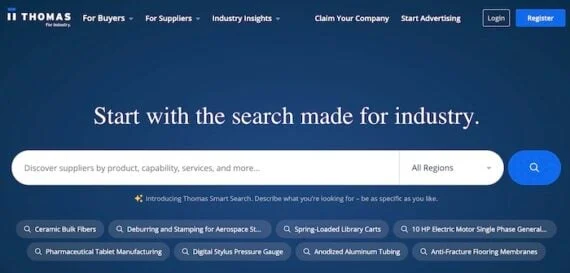
- Online Directories: Platforms like Thomasnet and Alibaba are extensive resources for identifying potential suppliers across various industries and geographical locations.
- Trade Shows: Attending industry-specific trade shows provides opportunities to meet manufacturers face-to-face, inspect product samples, and build direct relationships.
- Industry Networks: Leveraging professional connections and referrals within the relevant sector can lead to trusted manufacturing partners.
The sourcing process typically involves requesting detailed quotes, comparing minimum order quantities (MOQs), and rigorously evaluating product samples. While overseas manufacturers often offer lower per-item costs, domestic suppliers present distinct advantages, including faster shipping times, more straightforward communication, enhanced quality oversight, and reduced supply chain risks, particularly in light of recent global disruptions. The choice between domestic and international sourcing involves a careful balancing of cost, lead time, quality control, and risk management.
4. Cultivating Brand Identity and Packaging Design
Branding transforms a functional product into a compelling offering that resonates with consumers. This involves:
- Brand Name Selection: Choosing a name that is memorable, relevant, and aligns with the product’s positioning.
- Logo Design: Creating a distinctive visual identity that communicates the brand’s essence.
- Packaging Design: Developing packaging that not only protects the product during transit but also communicates its value proposition and market positioning effectively. The unboxing experience is increasingly recognized as a critical touchpoint that can significantly influence customer perception and social sharing.
Generative AI tools are proving invaluable in this stage, assisting with drafting compelling product descriptions, brainstorming creative branding concepts, and even generating mock-ups of packaging designs for rapid prototyping and testing before significant financial commitments are made.
5. Ensuring Compliance and Finalizing Product Specifications
Before mass production can commence, meticulous attention must be paid to product specifications and compliance requirements. This involves a detailed agreement between the merchant and the manufacturer that outlines:
- Materials: Precise specifications for all components, including their origin and certifications.
- Dimensions and Tolerances: Exact measurements and acceptable variations.
- Packaging Instructions: Detailed guidelines for assembly, labeling, and protective measures.
- Labeling Requirements: Compliance with all relevant regulatory information, warnings, and ingredient lists.
Certain product categories and jurisdictions mandate official testing and certifications to ensure safety, efficacy, and adherence to standards. This rigorous verification process is essential to mitigate legal liabilities and maintain consumer trust.
6. Planning Logistics and Fulfillment Strategy
The efficient storage and distribution of inventory are paramount. Retailers must decide on their fulfillment strategy:
- In-House Fulfillment: Managing warehousing, order picking, packing, and shipping internally. This offers maximum control but requires significant investment in infrastructure and personnel.
- Third-Party Logistics (3PL) Outsourcing: Partnering with specialized logistics providers who handle warehousing and fulfillment. This can offer scalability and expertise, allowing retailers to focus on core business functions.
Logistics planning encompasses a comprehensive assessment of freight costs, lead times from the manufacturer to the fulfillment center, and robust inventory management systems to prevent stockouts and overstocking.
7. Placing the Initial Production Order
Upon final approval of the product prototype and all specifications, the merchant places the initial production order. This order represents a significant financial commitment and is the culmination of extensive negotiations covering:
- Unit Price: The cost per item, often subject to volume discounts.
- Payment Terms: The schedule and method of payment to the manufacturer.
- Production Timelines: Agreed-upon deadlines for manufacturing and delivery.
- Quality Expectations: Clearly defined standards for product quality and defect rates.
This order formally initiates the manufacturing process and sets the stage for the product launch.
8. Executing a Strategic Launch
A well-orchestrated launch is crucial for generating initial momentum and building credibility. Launch strategies often include:
- Email Marketing: Leveraging existing customer lists to announce new products and offer introductory promotions.
- Paid Advertising: Utilizing platforms like Google Ads and social media advertising to reach target audiences.
- Social Media Engagement: Creating buzz through organic posts, contests, and collaborations with influencers.
- Influencer Partnerships: Collaborating with relevant social media personalities to showcase the product to their followers.
Securing early customer reviews is paramount, as positive feedback significantly influences purchasing decisions and establishes trust. AI-powered advertising tools can further enhance campaign targeting and optimize bidding strategies as performance data becomes available, maximizing return on ad spend.
9. Continuous Improvement and Expansion
The launch is not the end of the process but rather the beginning of an iterative cycle of improvement and expansion. Retailers must:
- Analyze Performance Data: Closely monitor sales figures, customer reviews, return rates, and customer feedback.
- Identify Areas for Refinement: Use this data to pinpoint opportunities for product enhancement, such as improving material quality, optimizing packaging, or addressing recurring customer concerns.
- Develop New Variations: Introduce new sizes, colors, flavors, or complementary products based on market demand and customer insights.
In essence, private-label products empower e-commerce companies to transcend the role of mere resellers and to create merchandise that is intrinsically linked to their own brand identity, fostering deeper customer relationships and establishing a more resilient business model.
Broader Implications and Future Trends
The increasing prominence of private-label brands has significant implications for the broader retail and manufacturing sectors. For consumers, it can lead to greater choice and potentially more competitive pricing. However, it also places a greater onus on retailers to ensure product quality and ethical sourcing, as they are directly accountable for their private-label offerings.
For manufacturers, the rise of private labels presents both opportunities and challenges. While it can lead to stable, long-term contracts with large retailers, it also increases competition among suppliers and can put downward pressure on margins. The trend towards reshoring and nearshoring manufacturing, driven by a desire for greater supply chain resilience and control, is also influencing the private-label landscape. Retailers are increasingly looking for domestic or regional manufacturing partners to reduce lead times and mitigate geopolitical risks.
Looking ahead, the integration of advanced technologies like AI and blockchain is poised to further transform the private-label ecosystem. AI will continue to enhance product development, marketing, and customer service, while blockchain technology offers the potential for greater transparency and traceability throughout the supply chain, building even greater consumer trust. The strategic development of private-label brands is no longer a niche strategy but a fundamental pillar of growth and differentiation for forward-thinking retailers across all sectors.

