
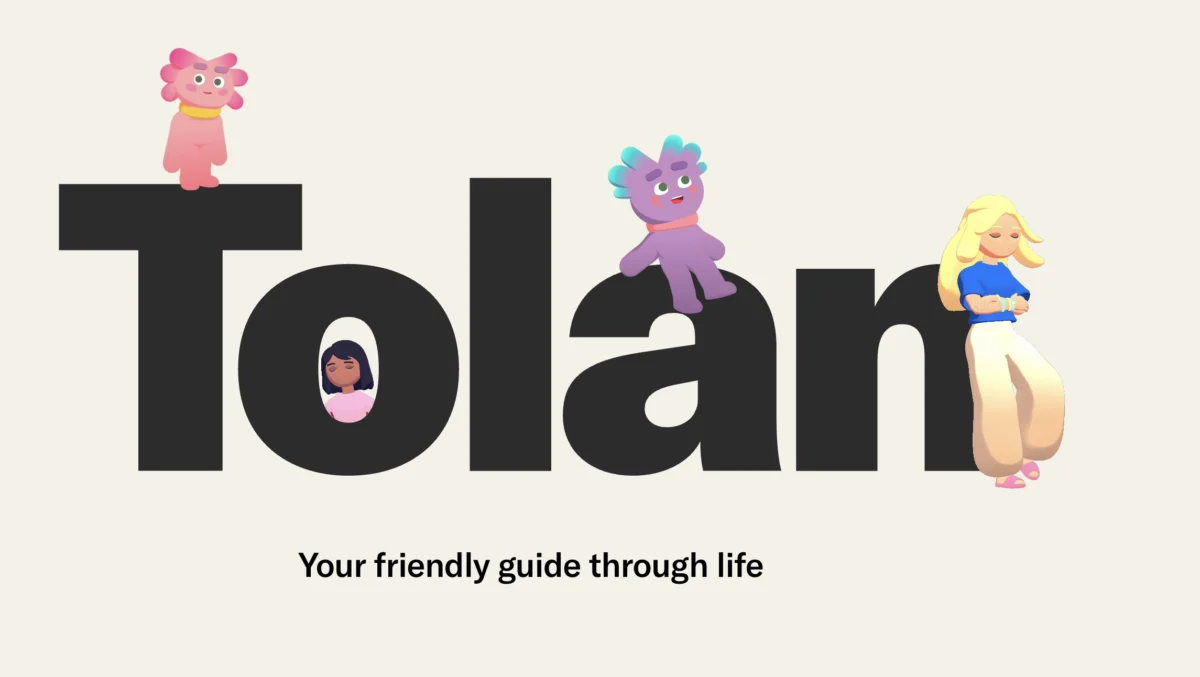
The latest funding round, which saw participation from prominent venture capital firms including Union Square Ventures, Khosla Ventures, and Homebrew, effectively doubles the total amount Tolan has raised to date. This significant capital injection pushes the startup’s valuation well beyond its previous $120 million benchmark. While Tolan did not officially disclose its new valuation, industry tracker PitchBook estimates it to be more than $268 million, noting this assessment with "medium confidence." This financial milestone underscores a critical moment for Tolan, positioning it as a frontrunner in the increasingly competitive and scrutinized AI companion sector.
The Evolution of AI Companions and Tolan’s Emergence
The concept of AI companions, virtual entities designed to offer support, guidance, and interaction, has evolved rapidly over the past decade. Early iterations often struggled with public perception, technological limitations, and the inherent challenges of replicating nuanced human interaction. Many early entrants into this space faced skepticism, criticism, and in some cases, outright failure, highlighting the complexities of building an AI that users trust and find genuinely helpful. The market, however, remains ripe with potential, driven by growing demand for personalized digital assistance across various aspects of daily life, from productivity and organization to emotional well-being.
Tolan has strategically carved out its niche by focusing on a balanced approach to AI companionship. Unlike some predecessors that veered into uncanny valley territory or struggled with practical utility, Tolan presents itself through a user-friendly, "cartoonish character" interface. This design choice appears to foster an accessible and non-intimidating environment, enabling users to engage with the app for tasks ranging from managing daily to-dos to navigating complex emotional landscapes. The core proposition of Tolan centers on offering reliable support and assistance, a critical differentiator in a market where trust and perceived utility are paramount.
A Deeper Dive into Tolan’s Growth and Financial Health
Tolan’s recent funding round is not merely a testament to investor belief but also a reflection of its substantial operational traction and financial performance. The company generates revenue primarily through tiered membership models, which grant users full access to its comprehensive suite of features. According to reports from Upstarts Media, Tolan’s annual recurring revenue (ARR) has now reached "double-digit millions," indicating a strong and sustainable business model. This financial health is a crucial factor for investors, particularly in a tech landscape where profitability often takes a backseat to user acquisition.
Beyond revenue, Tolan boasts an impressive user base and engagement metrics. The company claims to have more than 250,000 active users who have collectively participated in over 70 million conversations during the past year alone. This high level of interaction underscores the utility and stickiness of the platform. Demographic data provided by Tolan’s team to Upstarts Media reveals that approximately 70% of its user base comprises women, and 40% are parents. This suggests a strong appeal to demographics that often juggle multiple responsibilities and may particularly benefit from organizational and emotional support tools. Anecdotal evidence further suggests that the app resonates strongly with neurodivergent individuals, who often seek structured support for task management and emotional regulation, finding Tolan’s consistent and predictable interface particularly beneficial.
Competitive Landscape: Learning from Past Pitfalls and Eyeing Future Threats
The AI companion market is a graveyard for many ambitious projects, yet it continues to attract significant investment due to its perceived potential. Tolan’s success is particularly noteworthy when viewed against the backdrop of its competitors’ struggles. One prominent example is Friend, an AI companion housed in a pendant-based wearable device. Friend faced widespread public ridicule, with users labeling it "very cringe," The New York Times calling it "hated," and Wired famously stating it "has no soul." These criticisms highlighted the dangers of AI companions that fail to integrate seamlessly and empathetically into users’ lives, often falling short of expectations and alienating their target audience. Friend’s failure underscored the importance of design, functionality, and social acceptance in the AI companion space.

Another former top contender, Character.AI, recently filed for bankruptcy, merely five years after its inception. This platform, known for its interactive chatbot capabilities, suffered a significant setback when its founder, Noam Shazeer, returned to Google. The subsequent financial difficulties led to bankruptcy, with its remaining assets and staff reportedly transitioning to Disney. Character.AI’s trajectory serves as a cautionary tale about the fragility of even promising AI ventures, particularly when faced with leadership shifts and intense market pressures.
Tolan, by contrast, appears to have found a critical balance, avoiding the "weirdness" factor that plagued Friend and maintaining operational stability despite the volatile market. Its user-friendly interface and focus on practical, supportive interactions have allowed it to gain traction where others have faltered. However, the landscape is continually evolving, and Tolan is not without its future challenges. A new crop of sophisticated AI agents is emerging, designed not just for conversation but for proactive planning, organizing, and task accomplishment. Meta’s AI agent, Muse, for instance, has been introduced with a "cute avatar" and ambitious plans for future hardware integration, reminiscent of a modern-day Tamagotchi but with far greater utility. These advanced agents pose a significant competitive threat, as they promise to move beyond mere conversational support to become truly autonomous personal assistants.
Navigating the Ethical Minefield of AI Emotional Support
Perhaps the most critical challenge Tolan, and indeed the entire AI companion industry, must navigate pertains to the ethical implications and inherent risks of offering AI-powered emotional support. The promise of an AI that can provide solace, guidance, and mental health support is immense, but so are the potential pitfalls. The industry has already witnessed a series of disturbing incidents and subsequent legal actions that cast a long shadow over the use of AI in sensitive psychological contexts.
Multiple lawsuits have been filed against makers of general-purpose AI applications, alleging that chatbot interactions contributed to users’ suicides. For example, reports detail a lawsuit against Google, claiming its Gemini chatbot drove a son into a fatal delusion. Similarly, OpenAI has faced scrutiny following allegations that ChatGPT interactions played a role in a teen’s suicide, with claims that the teen circumvented safety features. These tragic incidents underscore the profound responsibility that comes with developing AI systems designed to interact on an emotional level. The lack of true empathy, the potential for misinterpretation, the inability to recognize and intervene in a crisis, and the absence of human oversight present significant risks.
For Tolan, which explicitly aims to help users "navigate relationships and emotions," these cases serve as a stark reminder of the ethical tightrope it walks. While its "cartoonish character" may alleviate some of the uncanny valley concerns, the underlying AI’s capacity for appropriate and safe emotional engagement is paramount. Tolan must invest heavily in robust safety protocols, advanced ethical AI design, continuous monitoring, and clear disclaimers regarding the limitations of AI emotional support. The distinction between an AI that offers a listening ear and one that provides clinical-grade mental health intervention is crucial, and blurring this line can have devastating consequences. The nascent regulatory environment for AI, particularly in areas concerning health and mental wellness, means that companies like Tolan must proactively establish best practices to ensure user safety and maintain public trust.
Strategic Implications and Future Outlook
The $30 million capital infusion provides Tolan with significant leverage to accelerate its development and expand its market reach. This funding will likely be directed towards several key areas:
- Research and Development: Enhancing the core AI’s capabilities, refining its emotional intelligence, and improving its ability to handle complex user requests and provide even more personalized support.
- Feature Expansion: Introducing new tools for productivity, goal setting, and relationship management, potentially integrating with other digital platforms.
- Talent Acquisition: Hiring top AI researchers, engineers, and ethicists to strengthen its team and navigate the evolving technological and ethical landscape.
- Marketing and User Acquisition: Scaling its user base and brand presence, potentially exploring international markets.
- Safety and Ethics: Investing in advanced safety features, developing clearer ethical guidelines, and potentially collaborating with mental health professionals to ensure responsible AI development.
Tolan’s success to date suggests a strong product-market fit for an AI companion that strikes a balance between utility and approachability. Its ability to generate significant recurring revenue and attract a quarter-million active users in a challenging market speaks volumes about its potential. However, the road ahead is fraught with both opportunities and considerable challenges. The rapid advancements in generative AI mean that the competitive landscape will only intensify, with tech giants like Meta pouring resources into their own AI agent initiatives. Furthermore, the ethical imperative to ensure user safety, particularly in the realm of emotional support, will remain a constant and growing concern. Tolan’s journey will serve as an important case study for the future of AI companions, demonstrating whether it is possible to build a trusted, helpful, and ethically sound AI partner for the masses. The company’s ability to innovate responsibly while fending off competition and navigating complex ethical waters will ultimately determine its long-term success and its lasting impact on how people interact with artificial intelligence in their daily lives.

