
The global landscape of user experience (UX) design and market research is currently undergoing a fundamental paradigm shift as organizations move away from surface-level data collection toward deeper behavioral analysis. For decades, the primary metric for understanding customer satisfaction relied on direct inquiry—asking users what they want. However, emerging frameworks in the design community, most notably the "Four Levels of Customer Understanding" popularized by researcher Hannah Shamji and design leader Vitaly Friedman, suggest that what people say, think, feel, and do are often distinct and frequently contradictory phenomena. This realization is forcing a re-evaluation of how digital products are built and how businesses interpret consumer "needs" versus consumer "realities."
The Evolution of Customer Understanding Frameworks
The historical approach to market research was rooted in the belief that the customer is a rational actor capable of articulating their desires. This led to the dominance of tools like the Net Promoter Score (NPS) and large-scale customer satisfaction surveys. While these methods provided quantitative benchmarks, they often failed to predict product failure or identify the root causes of customer churn.
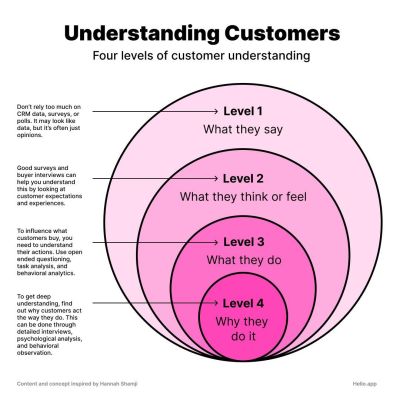
The transition to modern behavioral science in UX began when researchers realized that human memory and self-reporting are inherently flawed. Users often provide answers they believe the researcher wants to hear (social desirability bias) or they fail to recall their actual frustrations in the moment (recall bias). The Shamji framework addresses these gaps by organizing customer insight into four concentric circles:
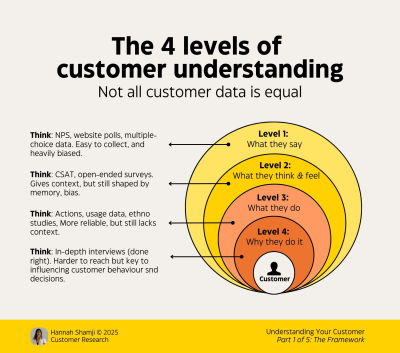
- Level 1: What they say – The most accessible but least reliable data point, often found in interviews and surveys.
- Level 2: What they think or feel – The internal cognitive and emotional state, which is rarely expressed accurately in words.
- Level 3: What they do – The objective reality of user behavior, observable through analytics, heatmaps, and session recordings.
- Level 4: Why they do it – The root motivation, which often lies in the subconscious or is driven by external environmental factors.
By triangulating across these four levels, companies are discovering that the "obvious" reasons for user behavior are rarely the complete picture.
The Linguistic Gap: The Unreliability of Verbal Data
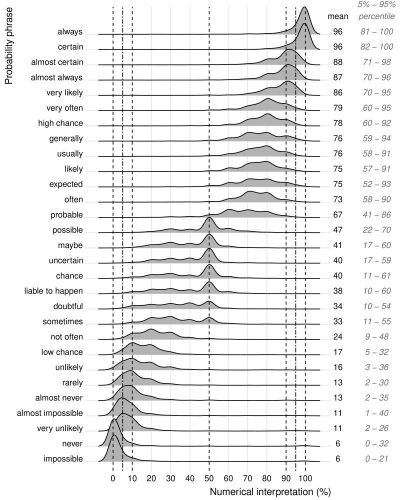
One of the most significant challenges in customer research is the inherent ambiguity of language. Recent data analysis has highlighted how even specific terms related to probability and intent are interpreted differently across demographics. A study on Dutch verbal probability terms, cited by UX experts like Thomas D’hooge, revealed a startling lack of consensus on what words like "possible," "maybe," or "likely" actually mean in a numerical sense.
While "certain" or "impossible" have high levels of agreement, words like "plausible" or "probable" result in a wide spread of interpretations. For a product manager, a user saying they would "likely" use a new feature might be interpreted as a 70% probability, whereas the user might mean 40%. This discrepancy creates "big assumptions and big hunches" that can lead to expensive development cycles for features that ultimately provide no value.
Furthermore, users tend to focus on edge cases when asked direct questions. They may advocate for complex features—such as intricate product comparison tables—that they believe they need, yet observational data often shows they make decisions based on aesthetic trust or a single key variable, ignoring the complex tools they requested.
Beyond Validation: The Diagnostic Approach to UX Research
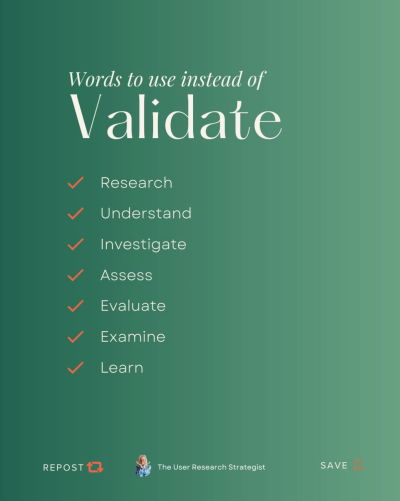
A critical component of this new strategic approach is the shift from "validation" to "diagnosis." In many corporate environments, user testing is often treated as a rubber-stamping exercise to confirm existing executive assumptions. However, industry leaders like Nikki Anderson argue that the word "validate" should be removed from the professional researcher’s vocabulary.
Instead of seeking validation, high-performing teams are focusing on investigation and assessment. This involves observing "micro-behaviors" during usability testing. Researchers are no longer just looking at whether a user completes a task, but how they complete it. Key diagnostic signals include:
- Mouse hovers without clicks: Indicating hesitation or confusion.
- Repeated scrolling: Suggesting the user cannot find the specific information they are looking for.
- Physical cues: Subtle signs of frustration such as eyebrow furrowing or neck scratching, which often occur before a user vocalizes a problem.
This diagnostic approach also challenges the traditional "speak-aloud" protocol. While asking users to narrate their thoughts has been a staple of UX testing for years, some experts now argue it is disruptive. The cognitive load required to solve a problem while simultaneously explaining it can obscure genuine emotional responses. By allowing users to work in silence and then conducting a post-task interview using "mirroring" techniques, researchers can capture a more authentic representation of the user’s experience.
The Emotional Spectrum and the "Compassion" Model
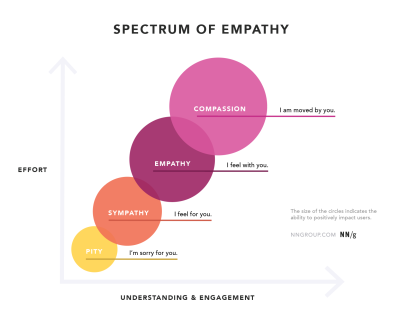
Capturing emotion remains one of the most difficult aspects of customer understanding. The industry is moving toward more sophisticated models of empathy, as articulated by Sarah Gibbons. This spectrum moves from Pity (feeling sorry for a user) to Sympathy (acknowledging their pain) to Empathy (feeling their pain) and finally to Compassion (the drive to solve the problem).
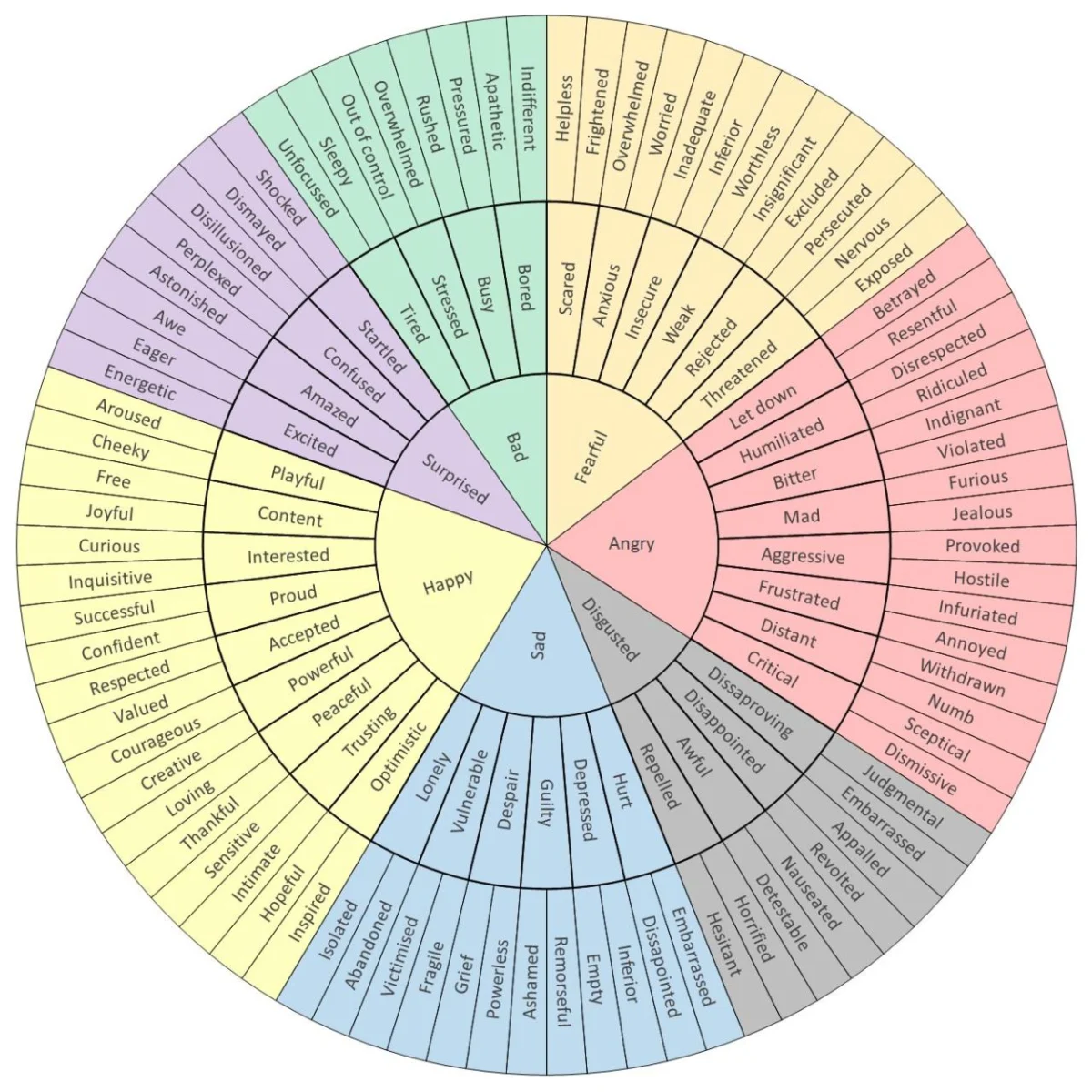
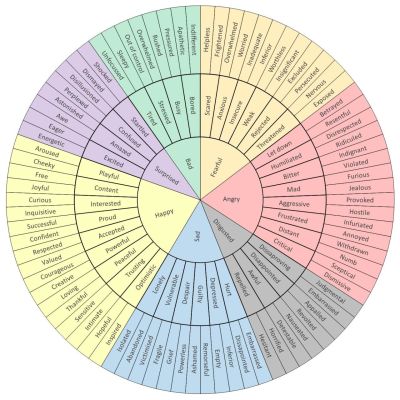
To aid in this, tools like the "Emotion Wheel" by Geoffrey Roberts are being adapted for the tech industry. By moving beyond binary descriptors like "good" or "bad," designers can identify more precise sentiments such as "overwhelmed," "skeptical," or "empowered." Identifying these specific emotions allows for more targeted design interventions. For example, if a user feels "skeptical" during a checkout process, the solution is not a UI change, but an increase in transparency and security trust signals.
However, the focus on emotion is not without its critics. Some industry professionals, such as Alin Buda, argue that "empathy" has become a buzzword that can distract from the actual goal of design. Buda posits that the job of a designer is not to "emote" but to solve functional problems. This debate highlights a growing tension in the field: whether UX is a branch of psychology or a branch of engineering. The emerging consensus suggests it is both—emotional responses are "signals" that help diagnose functional failures.
Supporting Data: The High Cost of Misunderstanding
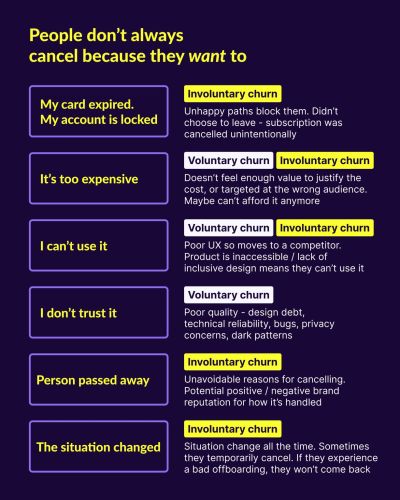
The financial implications of failing to understand the four levels of customer behavior are substantial. Customer churn—the rate at which users cancel subscriptions—is a primary driver of revenue loss in the SaaS (Software as a Service) sector. Data from Emily Anderson suggests that churn is often categorized into voluntary and involuntary, yet the reasons users provide for canceling often mask deeper issues.
For instance, a user might cite "price" as a reason for cancellation (Level 1: What they say). However, deeper observation (Level 3: What they do) might reveal that they only used 10% of the product’s features, suggesting the real issue was a lack of successful onboarding or perceived value (Level 4: Why they do it). By addressing the root cause rather than the stated reason, companies can implement more effective retention strategies.
Practical Implementation and Broader Impact
For organizations looking to implement these strategies without massive budgets, the focus is on "democratizing" user struggles. Experts suggest that rather than keeping research in a silo, companies should make user pain points visible across all departments. Practical methods include:
- The "Wall of Pain": A physical or digital space where user struggles are documented and visible to engineers and marketers.
- Customer Support "Lunch and Learns": Where the front-line staff shares the most frequent emotional triggers they encounter.
- Short Video Clips: Sharing 30-second clips of a user struggling with a specific interface during all-hands meetings to build collective empathy.
The broader impact of this shift is a more resilient and sustainable approach to product development. When companies move beyond hunches and "burning questions," they reduce the risk of building features that nobody wants. They also build stronger relationships with their customers based on genuine trust and a deep understanding of their needs.
In conclusion, the "Four Levels of Customer Understanding" represents a maturation of the design industry. It acknowledges the complexity of human behavior and the limitations of traditional research. As digital products become more integrated into every aspect of daily life, the ability to decode the "messy and noisy reality" of user intent will be the defining characteristic of successful organizations. Without this depth of research, businesses are merely operating on expensive assumptions that may eventually lead to their obsolescence in an increasingly competitive market.

