
The failure of high-stakes branding projects is rarely a result of poor technical execution in the final stages; rather, it is almost exclusively rooted in the misalignment of the strategy phase. In contemporary design circles, a growing consensus suggests that the most critical work occurs in the "pre-concept" phase—a period of intense research and stakeholder alignment that precedes the creation of any visual assets. This phase addresses a systemic issue in the creative industry: the reliance on broad, undefined adjectives such as "modern," "trustworthy," and "disruptive," which often mean vastly different things to different stakeholders. By establishing a visual foundation through shared direction and rigorous inquiry, design teams are finding they can bridge the gap between abstract business strategy and concrete brand identity.
The Problem of Linguistic Ambiguity in Design Strategy
In the traditional branding workflow, designers often receive a creative brief populated with high-level descriptors intended to guide the visual direction. However, these words frequently lack the specificity required to drive precise design decisions. An analysis of failed branding initiatives reveals a recurring pattern: stakeholders agree on a verbal direction but hold conflicting internal visualizations of those terms.
For example, a health technology firm seeking to appear "disruptive" may find itself at a crossroads. While the term suggests bold, unconventional aesthetics in a vacuum, the specific context of the healthcare industry—where clients include conservative government institutions—demands a different interpretation. In this environment, "disruptive" must be balanced with "credible." A brand that appears too rebellious or visually loud risks alienating the very institutions it seeks to serve. Consequently, their version of "disruption" may actually require a more traditional visual language than the word initially suggests. This highlights the necessity of the pre-concept phase, which serves to define the specific "flavor" of an attribute before a single pixel is moved in tools like Figma.

A Chronological Framework for the Pre-Concept Phase
The transition from a project kickoff to the final visual concept is not a linear jump but a structured progression. Industry experts have identified a multi-stage process that ensures alignment before the high-effort design phase begins.
- Discovery and Contextual Research: The process begins with standard discovery, covering business goals, product service models, competitive landscapes, and target demographics. This stage is less about data collection and more about understanding the "gut feeling" a brand is intended to evoke.
- Perception Clarification: Designers facilitate workshops to uncover the hidden assumptions behind stakeholder opinions. This involves moving beyond nodding at "premium" and asking whether that means "refined and editorial" or "expensive and exclusive."
- The Bridge-Building Workshop: Utilizing frameworks like the "Brand Workshop Toolkit," teams engage in exercises that force stakeholders to think through images and associations rather than just words.
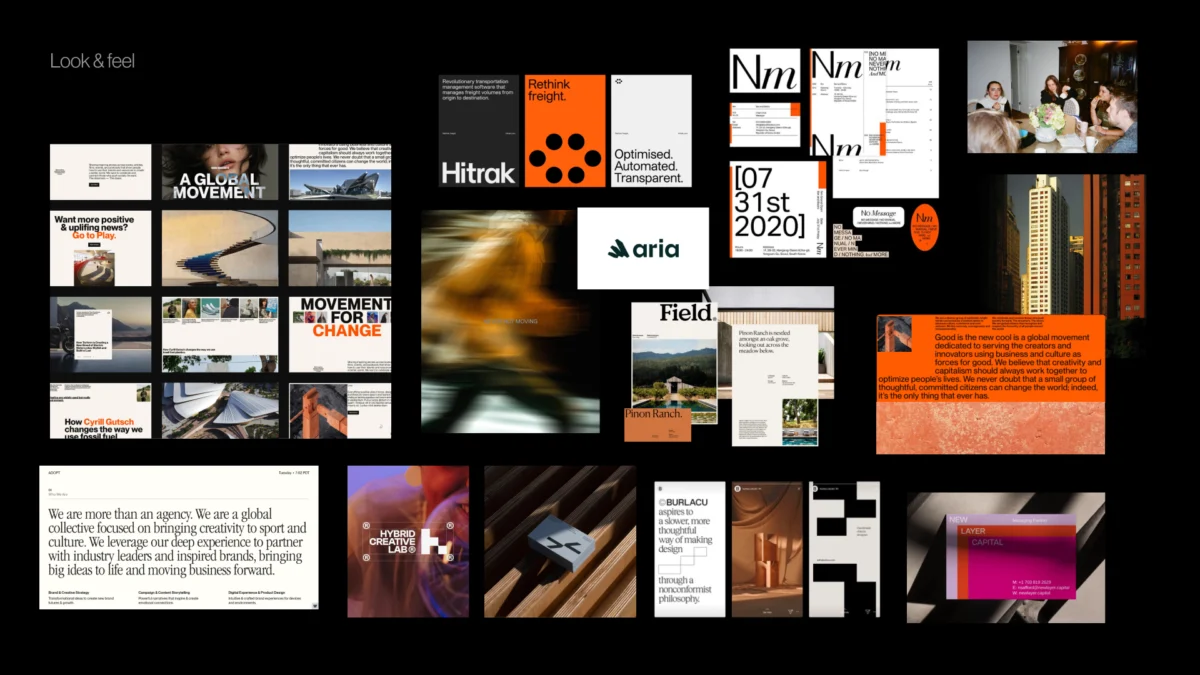
- Visual Foundation Synthesis: Before moving to the concept stage, the team agrees on three layers: the Look and Feel (general mood), the Design Code (visual principles), and the Brand Assets (typography, color, and logo style).
Data-Driven Insights into Design Misalignment
While branding is often viewed as a subjective field, the costs of misalignment are quantifiable. Industry reports on design-led growth indicate that companies with high levels of brand consistency and strategic alignment see significantly higher revenue growth compared to those with fragmented identities.

Furthermore, internal studio data suggests that projects incorporating a formal pre-concept phase reduce the number of major revision rounds by an average of 40%. By resolving disagreements during the mapping and workshop stages, designers avoid the "guess and check" method of presentation, which often leads to project fatigue and budget overruns. In the fintech sector, where trust is a primary driver of user acquisition, the cost of a "mis-branded" launch can result in a 15-20% decrease in initial user trust scores, emphasizing the stakes of the pre-concept alignment.
Strategic Exercises for Stakeholder Alignment
To move from the verbal to the visual, two primary exercises have emerged as industry standards for uncovering stakeholder intent.

Competitor Perception Mapping
This exercise involves placing competitor brand assets on a two-axis map. The axes are determined by the specific tensions the brand must resolve, such as "Traditional vs. Progressive" or "Understated vs. Bold." The value of this exercise lies not in the final placement of the logos, but in the dialogue it generates. When one stakeholder views a competitor as "progressive" while another sees it as "generic," it reveals a fundamental difference in how they define innovation. Identifying these discrepancies early prevents them from resurfacing during the final concept review.
The Visual Brand Driver
This exercise utilizes metaphor and association to separate personal aesthetic preference from brand identity. Stakeholders are asked to select images from unrelated categories—such as transportation, furniture, or architecture—to represent the company. A stakeholder choosing a "high-speed train" may be signaling a desire for reliability and structure, whereas a "private jet" might signal exclusivity. By adding adjectives to these selections, the team creates a deeper layer of brand perception that informs the eventual design code.

The Three Layers of Visual Foundation
Once the workshop phase concludes, the findings are distilled into a working layer that serves as a practical bridge to design.
- Look and Feel Boards: These are not moodboards in the traditional sense; they are perception boards. They test whether the brand should be "calm and institutional" or "warm and accessible" through third-party visual references.
- Design Code: This layer translates brand ideas into visual principles. For instance, a parenting app focusing on "research-backed support" might adopt a design code featuring infographics and editorial layouts to establish credibility.
- Brand Assets: This is the final pre-concept layer where the team discusses the "building blocks" of the identity. Questions regarding typography (serif vs. sans-serif), color palettes (vibrant vs. muted), and logo style (abstract vs. literal) are addressed to set boundaries for the designer.
Industry Perspectives and Official Responses
Renowned brand strategist Marty Neumeier, author of The Brand Gap, posits that "a brand is a person’s gut feeling about a product, service, or company." This definition underscores the importance of the perception-focused questions asked during the pre-concept phase. If the brand lives in the audience’s mind, the designer’s primary job is to manage that perception with surgical precision.

Similarly, Jake Knapp, creator of the "Three-Hour Brand Sprint" at GV (formerly Google Ventures), emphasizes that the goal of these preliminary exercises is to "make the abstract idea of ‘our brand’ into something concrete." The industry shift toward these collaborative frameworks reflects a move away from the "genius designer" myth and toward a more democratic, evidence-based approach to identity creation.
Broader Implications for the Branding Industry
The implementation of a pre-concept phase has significant implications for how agencies and internal design teams operate. By shifting the "reveal" from a surprise to a logical next step, the relationship between designer and client becomes one of partnership rather than service provision. This methodology effectively de-risks the branding process, ensuring that the first concept presented is not a guess but a strategic response to a shared set of definitions.

Furthermore, this approach allows for more meaningful creative risk. When the boundaries are clearly defined—such as knowing a brand must be "bold but not rebellious"—designers can explore the full extent of that "boldness" without fear of being fundamentally off-track. The result is a more robust, resilient brand identity that is capable of navigating the complexities of the modern marketplace.
In conclusion, the strongest visual concepts do not begin in design software; they begin with the right questions. By researching brand context, uncovering hidden assumptions, and turning shared direction into a visual foundation, teams can ensure that their branding efforts are both strategically sound and visually compelling. The pre-concept phase is no longer an optional step for high-performance design teams; it is the essential framework upon which modern brand equity is built.

