
The landscape of User Experience (UX) design has undergone a profound transformation over the last decade, moving from a narrow focus on usability and friction reduction toward a sophisticated discipline known as behavioral design. While the early 2010s saw product teams prioritizing the removal of barriers to ensure ease of use, modern industry standards now demand a deeper alignment with human psychology to drive long-term retention and meaningful engagement. Anders Toxboe, a prominent figure in the field and author of foundational persuasive design frameworks, has recently updated his assessment of the industry, noting that while the core premise of using psychology to influence behavior remains valid, the tactics and ethical considerations have matured significantly.
The Historical Context of Persuasive Design
In 2015, the conversation around digital product design began to shift beyond simple utility. At that time, practitioners were largely focused on "frictionless" experiences—making it as easy as possible for a user to complete a task. However, ease of use did not always equate to user success or business growth. Product teams frequently encountered a "behavioral gap": users would sign up for a service because it was easy, but they would fail to activate or retain because the experience lacked a psychological hook or a clear path to value.
The emergence of persuasive design offered a solution by leveraging psychological patterns to guide users toward desired outcomes. This era was characterized by the rapid adoption of "growth hacks" and gamification. Companies began integrating points, badges, and leaderboards into non-gaming environments, such as productivity apps and fitness trackers, to stimulate user activity. While these tactics provided short-term spikes in metrics, the industry eventually realized that surface-level mechanics often led to "shallow gamification," where users would engage for the reward rather than the core value of the product, eventually leading to burnout and high churn rates.

The Evolution of Behavioral Frameworks
A critical turning point in the last decade has been the shift from simple cause-and-effect models to holistic systems thinking. In the early days of persuasive design, the Fogg Behavior Model (FBM) was the industry standard. Developed by Dr. BJ Fogg, the model posits that behavior occurs when Motivation, Ability, and a Prompt (Trigger) converge at the same moment. This provided a simple diagnostic tool for designers: if a user didn’t perform an action, the designer needed to increase motivation, make the task easier, or provide a better trigger.
However, as digital ecosystems grew more complex, the limitations of the Fogg model became apparent. Prompts alone could not fix deep-seated capability issues or environmental barriers. This led to the rise of the COM-B model within the UX community. Developed by Susan Michie and colleagues, COM-B breaks behavior down into three essential components: Capability (physical and psychological), Opportunity (social and physical environment), and Motivation (reflective and automatic processes).

The adoption of COM-B represents a maturation of the field. It encourages designers to look beyond the screen and consider the user’s physical context, social influences, and cognitive load. For example, a drop in completion rates on a mobile app might not be a "bad button" issue (Ability/Motivation) but rather an "Opportunity" issue, such as the user trying to complete a complex task while commuting in a high-distraction environment.
Chronology of Behavioral Design Trends (2014–2024)
The progression of behavioral design can be traced through several distinct phases over the past ten years:

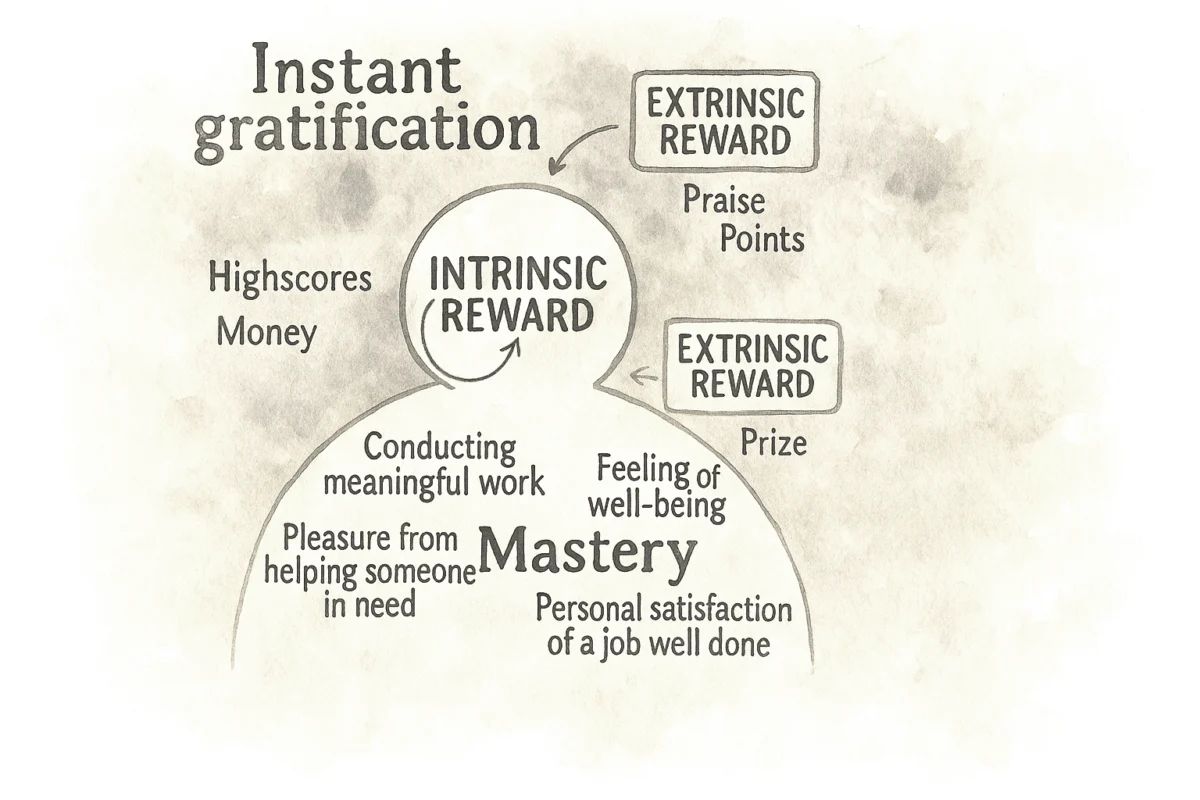
- 2014–2016: The Gamification Gold Rush. Products across all sectors attempted to replicate the success of apps like Duolingo by adding streaks and badges. The focus was on extrinsic motivation—external rewards for internal actions.
- 2017–2019: The Ethical Backlash. High-profile critiques of "dark patterns" (now referred to as deceptive design) gained mainstream attention. Critics argued that persuasive design was being used to exploit cognitive biases for corporate profit, leading to digital addiction and privacy erosion.
- 2020–2022: The Integration of Behavioral Science. Large tech firms, including Google, Spotify, and Netflix, began hiring dedicated behavioral scientists. The discipline moved from the design department into the broader product strategy, focusing on "intrinsic motivation"—helping users achieve goals they already value.
- 2023–Present: Systems Thinking and Ethics by Design. Modern behavioral design now emphasizes long-term outcomes over short-term clicks. There is an increasing focus on "Ethical Stress Testing" and ensuring that business goals (revenue) align with user goals (value).
Distinguishing Persuasion from Deception
One of the most significant developments in the field is the clarification of the line between persuasion and manipulation. Industry experts now define the difference through two lenses: intention and accountability. Persuasion is viewed as an effort to align a product experience with the user’s own goals, helping them overcome procrastination or "analysis paralysis" to achieve a desired state of competence or mastery.
Deception, conversely, involves the use of "deceptive patterns" to trick users into actions that benefit the business at the user’s expense—such as hidden costs, "roach motel" subscription cancellations, or forced continuity. The industry has seen a regulatory response to these practices. For instance, the Federal Trade Commission (FTC) in the United States and various European regulatory bodies have increased scrutiny on "dark patterns," signaling that unethical behavioral design now carries significant legal and reputational risks.

Strategic Implementation: The Behavioral Discovery Process
To move beyond "hacks," modern product teams are adopting structured behavioral discovery processes. This methodology bridges the gap between user research and interface design. According to current best practices, the process typically involves several key stages:
- Behavioral Empathy Mapping: Unlike traditional empathy mapping, which focuses on what users say and feel, behavioral empathy mapping focuses on what users attempt, avoid, or postpone. This helps identify the "hidden" psychological barriers, such as risk aversion or status quo bias.
- Behavioral Journey Mapping: Designers overlay psychological forces onto the user journey. They identify moments where "Capability" breaks down or where "Opportunity" is lacking, providing a more granular view of why users drop off during onboarding or feature adoption.
- Behavior Scoring: Teams prioritize interventions based on a "scoring" system that evaluates the potential impact of a behavior change, the ease of implementing that change, and the ability to measure the result. This ensures that design efforts are focused on high-leverage moments.
- Hypothesis-Driven Ideation: Solutions are framed as behavioral hypotheses: "By doing X, we will reduce barrier Y, leading to target behavior Z." This scientific approach allows teams to test specific psychological levers, such as social proof or the goal-gradient effect, in a controlled manner.
Supporting Data and Market Impact
The shift toward behavioral design is supported by measurable market trends. Research in the field of behavioral economics suggests that companies that leverage behavioral insights outperform their peers. According to a report by the Behavioral Science in Business initiative, organizations that successfully integrate behavioral design into their product development cycles see an average increase of 15% to 25% in user retention rates.

Furthermore, the "streak" mechanic—when tied to intrinsic value—continues to be one of the most effective behavioral tools. For example, language learning platforms and fitness apps that use streaks to mark progress in a skill the user values report significantly higher long-term engagement compared to those that use badges as a standalone reward. This underscores the lesson that psychology works best when it supports a user’s self-determination and sense of competence.
The "Dark Reality" and Ethical Stress Testing
As behavioral design becomes more powerful, the need for ethical oversight has grown. Many teams now implement a "Dark Reality" exercise during the ideation phase. This involves imagining the worst-case scenario: what happens if this persuasive mechanic works too well? Could it lead to obsessive behavior? Could it be used to exclude certain demographics?

This proactive approach to ethics is becoming a competitive advantage. Users are increasingly savvy about psychological triggers and are more likely to trust brands that demonstrate transparency and respect for user autonomy. The "intention of the designer" is no longer a private matter but a public-facing aspect of brand identity.
Broader Implications for the Tech Industry
The evolution of persuasive design reflects a broader maturation of the technology industry. We are moving away from an era of "move fast and break things," where any increase in engagement was seen as a win, toward an era of "intentional design."

The implications are clear: product teams can no longer rely on isolated UI tweaks or shallow gamification to solve retention problems. Success in the next decade will require a deep, shared understanding of human behavior across cross-functional teams—product, design, marketing, and engineering. By adopting a systematic, evidence-based approach to behavioral design, companies can build products that are not just easy to use, but easier to commit to, creating a sustainable alignment between business growth and human well-being.

